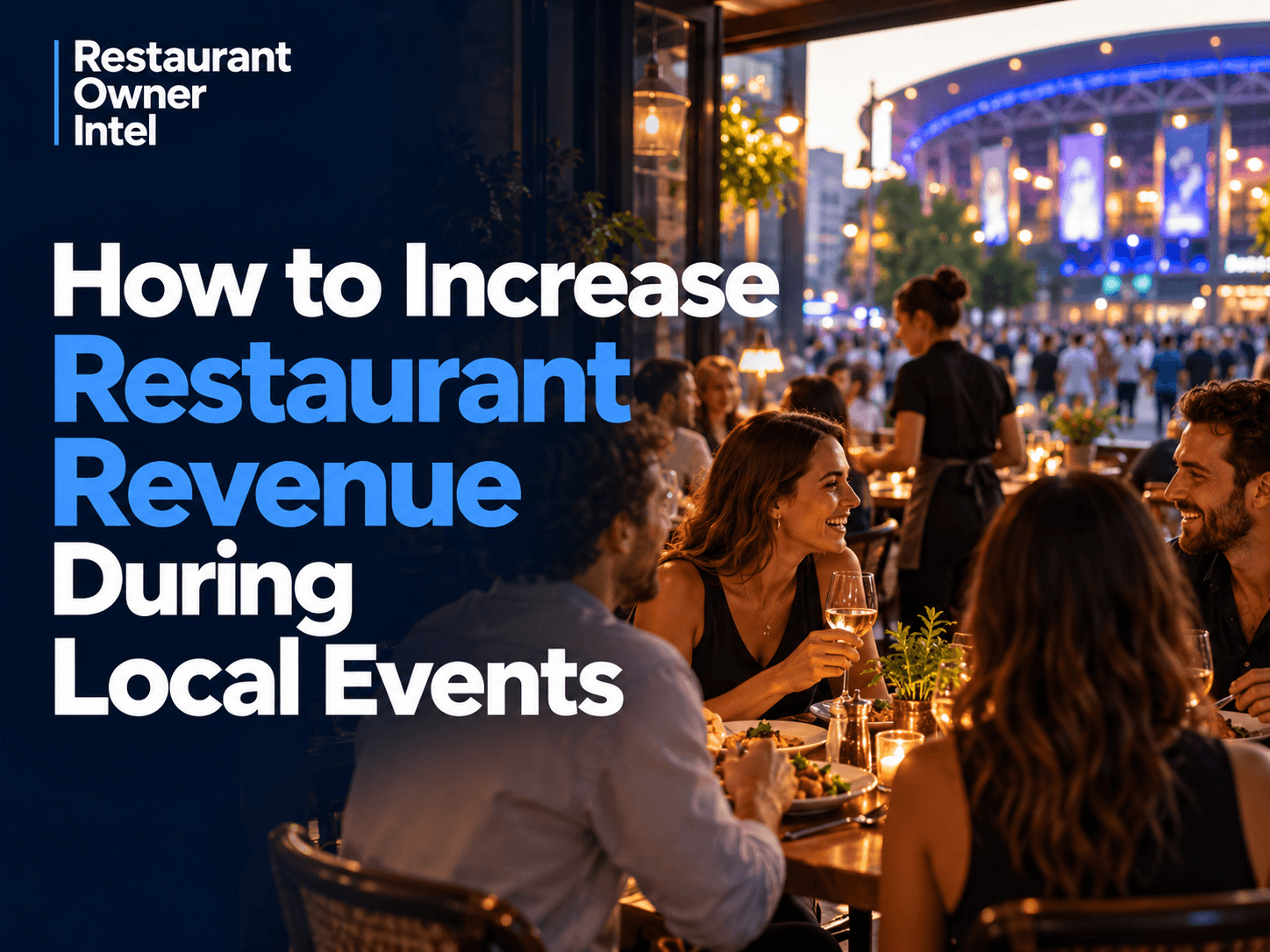
How to Increase Restaurant Revenue During Local Events
Learn how to increase restaurant revenue during local events with practical tips to attract more customers, boost bookings and turn visitors into regulars.
It's 6 pm on a Saturday. A major concert is about to start at a venue ten minutes from your restaurant. The streets are filling up, taxis are arriving, and groups of friends are looking for somewhere to eat before the show. Inside your restaurant, however, it's an ordinary Saturday evening. A few tables are occupied. The kitchen is ready. Your team is waiting for the usual bookings to arrive. Meanwhile, hundreds of potential customers are walking past, searching Google or heading straight to restaurants that have already given them a reason to visit. By the time the concert begins, the opportunity has largely disappeared. This is one of the overlooked opportunities in local restaurant marketing. A major event can bring additional customers into your trading area, but being nearby doesn't guarantee you'll benefit. Learning how to increase restaurant revenue during local events means thinking beyond the extra footfall. It's about understanding why people are visiting, what they need, when they want to eat and how your restaurant can become the obvious choice. Get those decisions right, and one busy evening can deliver more than additional sales. It can introduce your restaurant to customers who might otherwise never have found you. 1. The Revenue 0pportunity Starts Weeks Before the EventA restaurant cannot prepare for an opportunity it doesn't know exists. Yet it's surprisingly easy for a major event to slip under the radar when your attention is consumed by staffing problems, supplier deliveries, menu changes and the next service. A concert sells out. A conference brings hundreds of delegates into town. A university graduation fills nearby hotels with visiting families. Each creates a different type of demand. Each could represent additional revenue. The first step is to stop treating these occasions as unexpected busy periods and start treating them as opportunities you can plan for. Create a Simple 90-Day Local Events CalendarYou don't need expensive software or a complicated forecasting system. Start with a spreadsheet and identify the events happening within a reasonable distance of your restaurant over the next three months. Look for:
For each event, record the date, location, expected attendance if available, and start and finish times. Then ask a more useful question than simply how big the event will be. Are these the sort of people who would realistically choose to eat at your restaurant? A lunchtime business conference may suit a café offering quick, reliable service. A theatre performance could be ideal for an early-evening restaurant. A family festival might create demand for casual dining throughout the afternoon. A large crowd is only valuable if it contains potential customers. 2. Give Visitors a Reason to Choose You Before They ArrivePicture a couple travelling into town for a concert. They've arranged transport, paid for tickets and worked out when they need to reach the venue. Now they want somewhere to eat. Their biggest concern probably isn't finding the cheapest restaurant. It's finding somewhere convenient, enjoyable and reliable enough that they won't spend the entire meal watching the clock. That is the opportunity. Instead of advertising a generic discount, create an offer that solves the customer's immediate problem. Pre-Concert Dinner: Two Courses, Served Within 60 Minutes. It's clear. It's relevant. And it removes one of the biggest uncertainties surrounding a meal before an event. Of course, only promise a service time your kitchen can consistently deliver. The same thinking works across different occasions.
Notice what these offers have in common. None depends on giving away your margin. They make the restaurant more attractive by responding to what customers actually need. Convenience, confidence and timing can be more persuasive than a discount. 3. When Visitors Search for Somewhere to Eat, Will They Find You?Someone attending an event in an unfamiliar area will often reach for their phone before deciding where to eat. They might search for restaurants near the venue, somewhere serving food before the show, or a convenient place to book a table. If your restaurant is difficult to find online, your location advantage becomes far less valuable. Start With Your Google Business ProfileCheck that your opening hours, contact details, menu, photographs and booking information are accurate. If you're extending your opening hours for an event, make sure customers can see the correct information. Your Google Business Profile is often one of the first places potential customers encounter your restaurant. It should make visiting feel straightforward, not uncertain. Make Your Social Media Posts Relevant to the EventA photograph of tonight's special might look appealing, but it doesn't necessarily give an event visitor a reason to book. A more useful post might say: "Heading to Saturday's concert? We're just a short walk from the venue. Join us for an early dinner before the show, with tables available from 5 pm." Add an appealing photograph, a clear booking link and accurate location information. If you already have an email list, tell subscribers about the offer too. Some may be attending the event themselves or know someone who is. Remove Friction From the Booking ProcessEvent visitors are often making several decisions at once. Where to park. When to arrive. How long they have before the performance starts. They shouldn't have to work hard to book your restaurant. Make your menu easy to find on mobile, display your location clearly and ensure your booking link works properly. A customer who cannot quickly confirm availability may simply move on to the next restaurant. 4. A Full Restaurant Means Little if the Extra Sales Don't Produce ProfitThere's a particular kind of satisfaction that comes from looking across a full dining room. Every table occupied. Orders moving through the kitchen. Staff carrying plates between tables. The unmlstakable energy of a busy service. But a busy restaurant isn't automatically a profitable one. If the kitchen becomes overwhelmed, dishes take too long, labour costs climb and food waste increases, the financial benefit can disappear surprisingly quickly. This is where a carefully designed event menu can make a difference. Keep the Menu FocusedRather than offering every dish during a concentrated rush, consider a smaller selection built around items your kitchen can prepare quickly and consistently. Prioritise dishes that:
A restaurant near a football stadium, for example, might offer a limited pre-match menu featuring three popular mains, a selection of sides and a straightforward drinks package. Customers can decide quickly. The kitchen has fewer variations to manage. Service becomes easier to control. Don't Overlook Average SpendAn event menu can also create opportunities to increase average spend without making customers feel pressured. A main course and drink package might include an optional side or dessert upgrade. If 60 customers each spend an additional £4, that's £240 in extra revenue during one service. The additional profit will depend on the cost of those items, but the principle is straightforward. A well-designed offer should make ordering easier, improve service efficiency and create opportunities for profitable additional purchases. Calculate your costs before launching it. A package that looks attractive to customers still needs to work financially for the restaurant. 5. The Rush Can Arrive Suddenly. Your Staffing Plan Shouldn't Be a Surprise.A concert starting at 7:30 pm can turn a normally quiet late afternoon into the busiest part of your day. The dining room might be calm at 4:45 pm. By 5:30 pm, every available table could be occupied by customers who all need to leave at roughly the same time. That creates a different operational challenge from an ordinary evening service. If your staffing schedule follows normal trading patterns, you risk being caught short just when demand is strongest. Before the event, work backwards from its start or finish time. Consider:
You may not need additional staff for the entire day. Moving an existing shift earlier or adding targeted cover during the busiest period could be more cost-effective. Brief your team before service. Make sure everyone understands the event timings, menu arrangements and expected demand. Customers attending an event are often watching the clock. A delayed meal isn't merely inconvenient; it can damage their entire evening. Efficient service protects both your reputation and your ability to handle additional customers profitably. 6. Nearby Businesses May Already Have the Customers You WantNot every restaurant marketing opportunity requires an advertising budget. Sometimes the most useful connection is a business a few doors away. Think about the hotel receptionist helping guests find somewhere to eat before a concert. Or the theatre employee answering questions about nearby restaurants. Or the conference organiser preparing visitor information for delegates. These businesses regularly interact with people who may need exactly what your restaurant offers. A simple local partnership could help you reach those customers before they make their dining decisions. Contact nearby hotels, theatres, event venues, exhibition centres and accommodation providers. Explain what makes your restaurant useful to their visitors. Perhaps you offer reliable pre-theatre dining. Maybe your restaurant can accommodate small conference groups at lunchtime. Or perhaps you have a convenient early-evening menu for hotel guests heading to a nearby venue. Keep the arrangement simple and commercially sensible. The objective isn't to persuade another business to advertise you for free. It's to become a useful recommendation for its customers. That kind of relationship can continue generating opportunities long after a single event has finished. 7. The First Visit Is Valuable. The Second Could Be Worth More.A customer walks into your restaurant because they're attending a concert nearby. They enjoy the food, the service is friendly, and they leave in plenty of time for the performance. It's a successful transaction. But what happens next? Without a reason to remember your restaurant, that customer may never return. Not because anything went wrong, but because everyday life moves on and your business slips out of mind. This is why restaurant customer retention deserves a place in your event marketing plan. Some event visitors will live nearby. Others may work in the area or return regularly for performances, matches and business meetings. A good first experience gives you an opportunity to build a longer relationship. Give Customers a Reason to Stay ConnectedInvite visitors to join your restaurant's email list through a simple sign-up form, booking process or QR code. Explain what they'll receive. That might include occasional restaurant news, upcoming menus or exclusive offers. Obtain the necessary marketing consent and make unsubscribing straightforward. You could also provide a return-visit incentive, provided the numbers make sense. The incentive doesn't need to be a large discount. An invitation to try a new menu, a seasonal dining experience or a modest benefit on a future booking may be enough to encourage another visit. The important point is to create a connection that lasts beyond the event itself. A one-off visitor who becomes a regular customer can be worth considerably more than the revenue from their first meal. 8. The Numbers After the Event Matter More Than How Busy It FeltThe restaurant was packed. The team worked hard. Sales were higher than usual. It would be easy to call the event a success. But did it actually make the restaurant more money? That's a different question. Additional revenue can disappear into extra labour, promotional discounts, food costs and waste. Imagine a local event generates an additional £1,200 in restaurant sales. Against that, you incur £400 in additional food and drink costs, £250 in extra staffing and £100 in promotional expenses. That leaves £450 before any other incremental costs. The event may still have been worthwhile. But the financial picture is less impressive than the headline sales figure suggests. Track the Figures That Tell You Something UsefulAfter each event, review:
Compare the results with a similar trading period, allowing for normal variations in demand. Then look beyond the figures. Did customers arrive earlier than expected? Were certain dishes particularly popular? Did the kitchen struggle at a particular time? Were there empty tables that could have been filled with better promotion? Write down what happened while the details are fresh. Over time, these observations can help you identify which events are genuinely profitable and how to handle them more effectively. 9. Sometimes the Best Decision Is to Ignore the EventA crowd of 20,000 people sounds like a remarkable opportunity for a nearby restaurant. But numbers alone can be misleading. An event might attract visitors who have little interest in your type of food. Road closures could make your restaurant difficult to reach. Parking restrictions might discourage regular customers. A major sporting fixture could draw customers towards venues showing the match, leaving other restaurants quieter than usual. In those circumstances, investing in extra staff, stock and advertising may create unnecessary costs rather than additional profit. Before committing resources, ask three questions. Are these visitors likely to want what we sell? Can we serve them profitably? Can we reach them before they make their dining decisions? If the answers are encouraging, the event deserves further attention. If not, protecting your normal trade may be the more profitable decision. 10. Your Local Event Revenue ChecklistBefore the next major event in your area, use this checklist to make sure the opportunity has been properly considered. Planning
Marketing
Operations
Customer Retention
Performance
Products / Tools / ResourcesYou don't need an expensive collection of software to make local events more profitable. A few practical tools can help you spot opportunities, promote your restaurant and understand whether the extra business was worthwhile. Google Business ProfileA free starting point for improving your restaurant's visibility in Google Search and Maps. Use it to keep your opening hours, menu, photographs and booking information accurate, particularly when events change your normal trading arrangements. Google SheetsUseful for building a simple 90-day events calendar. Record event dates, expected demand, promotional activity, additional staffing costs and sales results in one place. Over time, the spreadsheet becomes a practical record of which local events are worth pursuing. CanvaA straightforward option for creating event-specific social media graphics, promotional menus and simple in-restaurant signage. Keep designs focused on the offer, event timing, location and booking details rather than filling them with unnecessary information. MailchimpAn email marketing platform that can help you stay in contact with customers who choose to subscribe. Use it to share upcoming menus, restaurant news and future event offers. For independent restaurants, a well-maintained email list can be more useful than constantly chasing new social media followers. Your Existing POS and Booking SystemBefore purchasing additional software, check what your current systems already provide. Sales reports, average spend, booking patterns, table occupancy and product-level performance can help you understand how event trading compares with a normal service. If your booking system supports customer notes or booking sources, use those features to identify reservations connected to local events. The information can make future planning considerably more accurate. Local Venue and Community Event CalendarsSome of the most valuable resources cost nothing. Bookmark the websites of nearby concert venues, theatres, sports clubs, exhibition centres, universities and local authorities. Checking these calendars once a month can give you advance notice of events that might affect customer numbers, staffing requirements and restaurant bookings. ``` |
Restaurant Owner Resource |
Free AI Restaurant Growth Plan |
Curious what growth opportunities your restaurant might be missing? Our free AI-powered Growth Plan analyses your restaurant's online presence, marketing and growth goals to identify opportunities you may not have considered.
|
Oct 26, 2026
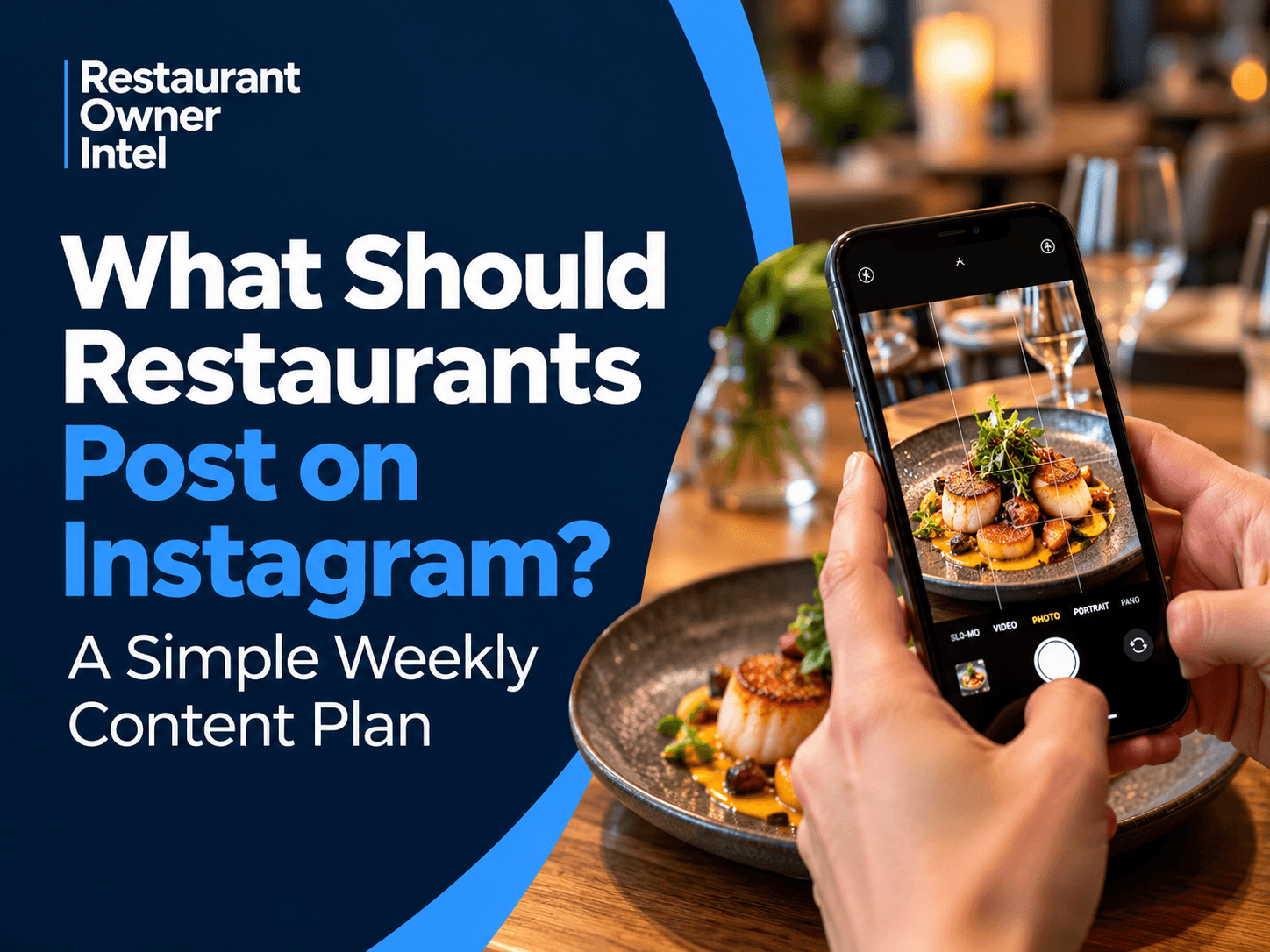
What Should Restaurants Post on Instagram? A Simple Weekly Content Plan
Need restaurant Instagram content ideas? Follow this simple weekly posting plan to attract local customers, showcase your food and encourage more bookings.
Oct 23, 2026
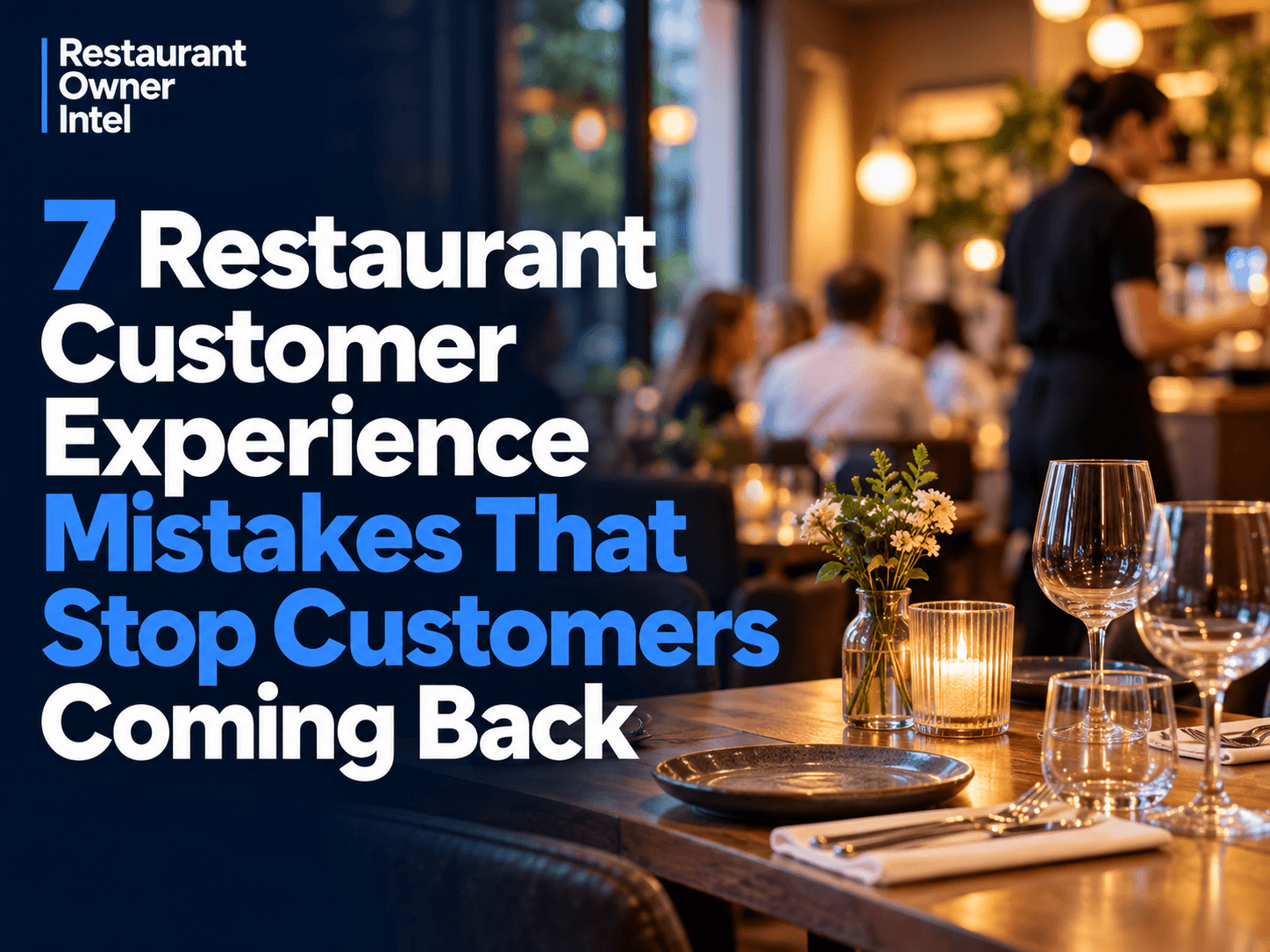
7 Restaurant Customer Experience Mistakes That Stop Customers Coming Back
Your food can be excellent and your customers can leave happy. But small frustrations during their visit may still stop them returning. Here are seven restaurant customer experience mistakes worth fixing before they quietly cost you repeat business.
Oct 22, 2026
How to Get Your Restaurant Recommended by ChatGPT and AI Search
AI is changing how customers decide where to eat. Here's how to make your restaurant easier for ChatGPT and AI search tools to find, understand and recommend — without expensive technology or complicated marketing.
Oct 21, 2026
Restaurant Menu Engineering: Are Your Most Profitable Dishes Being Overlooked?
Your restaurant could be selling plenty of food while missing opportunities to make more profit. Here's how restaurant menu engineering can help you identify your most valuable dishes, give them the attention they deserve and improve what you earn from every service.
0 Comments
Join the conversation
Be the first to comment
Share your thoughts above.