
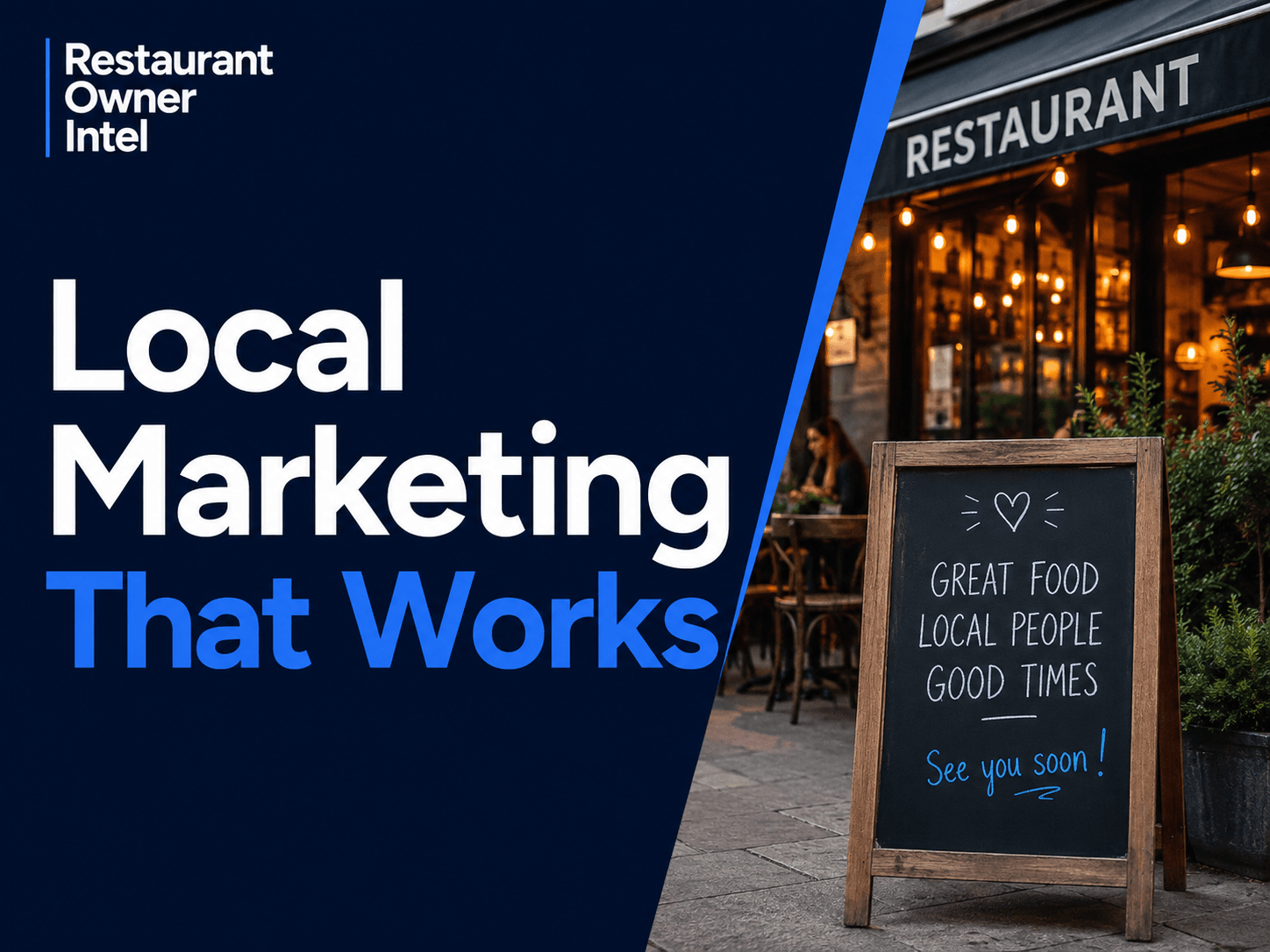
Local Marketing That Works: How Restaurants Can Attract More Local Customers
Discover local marketing that works for independent restaurants, with practical ways to attract nearby customers, increase bookings and build repeat business.
Restaurant owners have never had more ways to market their business. Facebook. Instagram. Google. Email. Paid ads. Delivery apps. Influencers. Local sponsorships. Promotions. The problem is that having more marketing options does not necessarily produce more customers. For an independent restaurant, the most valuable customer is often not someone who sees a post from 50 miles away. It is the person who lives ten minutes down the road, works nearby or regularly passes your front door. That is why local marketing that works should focus less on reaching the biggest possible audience and more on becoming visible, relevant and memorable within the area your restaurant actually serves. Here is where to focus. 1. Start With the Area You Actually ServeBefore deciding where to advertise, decide who you are trying to reach. Most independent restaurants have a natural catchment area. Its size will depend on the concept, location and occasion. A destination restaurant may attract customers willing to travel considerably further. A neighbourhood café might depend heavily on people living or working within a few miles. Ask:
This changes the marketing question. Instead of asking, “How can we get more followers?” Ask, “How can we become better known among people who could realistically eat here?” That is a much more commercially useful target. 2. Make Google a Core Part of Your Local MarketingWhen somebody searches for somewhere to eat nearby, they often already have buying intent. They are not casually scrolling. They may be looking for: “restaurants near me” “Italian restaurant near me” “best Sunday lunch” “restaurants open tonight” “family restaurant near me” That makes your Google Business Profile one of your most important local marketing assets. Yet many restaurants claim their profile and then largely forget about it. Check yours carefully. Are your opening hours correct? Is your menu current? Are the photographs recent and appealing? Is the restaurant category accurate? Can customers easily find your website, telephone number and directions? Are you responding to reviews? Does the profile represent the restaurant customers will actually find when they arrive? A potential customer comparing three nearby restaurants may make their decision based on these details. Treat your Google Business Profile like a digital front door, not an online directory listing. 3. Turn Reviews Into Local MarketingReviews do more than protect your reputation. They help potential customers decide whether to visit. Imagine somebody has never heard of your restaurant. They find you on Google and see recent reviews talking about friendly service, a particular dish, good value or a great atmosphere. Those customers are doing part of your marketing for you. The important word is recent. A restaurant with plenty of older reviews but little recent activity can look less relevant than a competitor receiving a steady stream of current feedback. Build review requests into normal operations. You could add a simple reminder to receipts, include a link in a follow-up email or train staff to mention reviews naturally when a customer has clearly enjoyed their visit. Then respond to reviews. You are not only replying to the person who wrote the review. You are also communicating with future customers who may read it before deciding where to eat. 4. Make Social Media More LocalA restaurant does not necessarily need thousands of followers. It needs enough of the right followers. A smaller audience of local people who can actually visit may be considerably more valuable than a large audience spread across the country. Look at your content through that lens. Give local customers reasons to pay attention. Show:
Also interact locally. Follow nearby businesses. Pay attention to community events. Engage with local organisations. Tag relevant locations where appropriate. Your restaurant should feel like part of the local community rather than a business broadcasting advertisements into it. 5. Build Relationships With Nearby BusinessesSome of the best local marketing opportunities may be within walking distance of your restaurant. Think about the organisations around you. Hotels have guests asking where to eat. Offices have employees ordering lunch and organising team meals. Estate agents meet people moving into the area. Gyms, salons, theatres, shops and other businesses have their own local customer bases. You do not need complicated partnerships. A restaurant near several offices could create a simple corporate lunch offer. A restaurant near a hotel could introduce itself to reception staff and make sure they have an up-to-date menu. Two neighbouring independent businesses could cross-promote an event. The objective is not to hand out discounts everywhere. It is to identify businesses that already interact with people who could realistically become your customers. 6. Give People a Reason to Visit Now“Come and visit us sometime” is weak marketing. Specific reasons to visit are stronger. A new seasonal menu. A Thursday steak night. A Mother's Day menu. A limited weekend special. A tasting event. A quiet-night offer. Live music on a particular evening. Good local marketing connects an audience, an offer and a reason to act. For example: A restaurant wants more Tuesday evening customers. Instead of repeatedly posting photographs of food, it creates a specific Tuesday menu, promotes it to its email database, features it on social media, updates its Google profile and lets nearby businesses know about it. One commercial objective. Several local channels. That is far more focused than posting randomly and hoping something generates bookings. 7. Do Not Ignore the Marketing Outside Your Front DoorDigital marketing receives enormous attention. Your physical location still matters. Every person who walks or drives past your restaurant is a potential customer. Look at your restaurant from across the street. Can people immediately tell what you are? Can they read the sign? Does the exterior look well maintained? Can they see a menu before deciding whether to enter? If you have a lunch special, happy hour or early evening offer, would somebody passing by know about it? A poorly positioned menu board or faded sign might sound like a small operational detail. But if hundreds of potential customers pass the restaurant every week, small improvements can create repeated exposure without another monthly advertising bill. Your frontage is marketing space you already pay for. Use it. 8. Build a Local Customer DatabaseSocial media gives you access to an audience. It does not give you ownership of that audience. Reach can change. Algorithms can change. Platforms can change. An email database gives you a direct way to communicate with people who have already shown an interest in your restaurant. That makes it particularly useful for local marketing. Give customers a clear reason to join. That might be early access to events, occasional offers, menu launches, birthday benefits or news about special evenings. Then use the list intelligently. You do not need to email constantly. A well-timed message about a new menu, Valentine's bookings or a special event can put your restaurant back in front of previous customers at exactly the right moment. The goal is not simply to collect email addresses. It is to turn previous customers into future visits. 9. Track Actions, Not AttentionLocal marketing that works should eventually produce customer action. Likes and followers can be useful indicators, but they do not pay the bills. Track what happens next. Look at:
If you run a promotion for a quiet Wednesday night, compare Wednesday sales and customer numbers before and during the campaign. If you improve your Google Business Profile, monitor whether calls, website visits and direction requests change. If you build an email list, track whether campaigns produce bookings. The question should always be: Did this marketing influence customer behaviour? The Local Marketing That Works ChecklistTake ten minutes and review your restaurant.
If several answers are no, you probably do not need another marketing channel. You need to get more value from the local marketing opportunities already around you. Local Marketing Is About Relevance, Not ReachIndependent restaurants rarely need to become famous. They need to become familiar. They need enough people nearby to know they exist, understand why they should visit, trust what they find online and remember the restaurant when deciding where to eat. That is the real advantage of effective local marketing. You are not trying to win the attention of the entire internet. You are trying to become one of the obvious choices in your own area. This week, identify the three local marketing channels most likely to influence an actual visit to your restaurant. Review each one and fix the weakest. Small improvements in local visibility can be worth far more than another month of unfocused posting. |
Restaurant Owner Resource |
Free AI Restaurant Growth Plan |
Curious what growth opportunities your restaurant might be missing? Our free AI-powered Growth Plan analyses your restaurant's online presence, marketing and growth goals to identify opportunities you may not have considered.
|
Oct 19, 2026
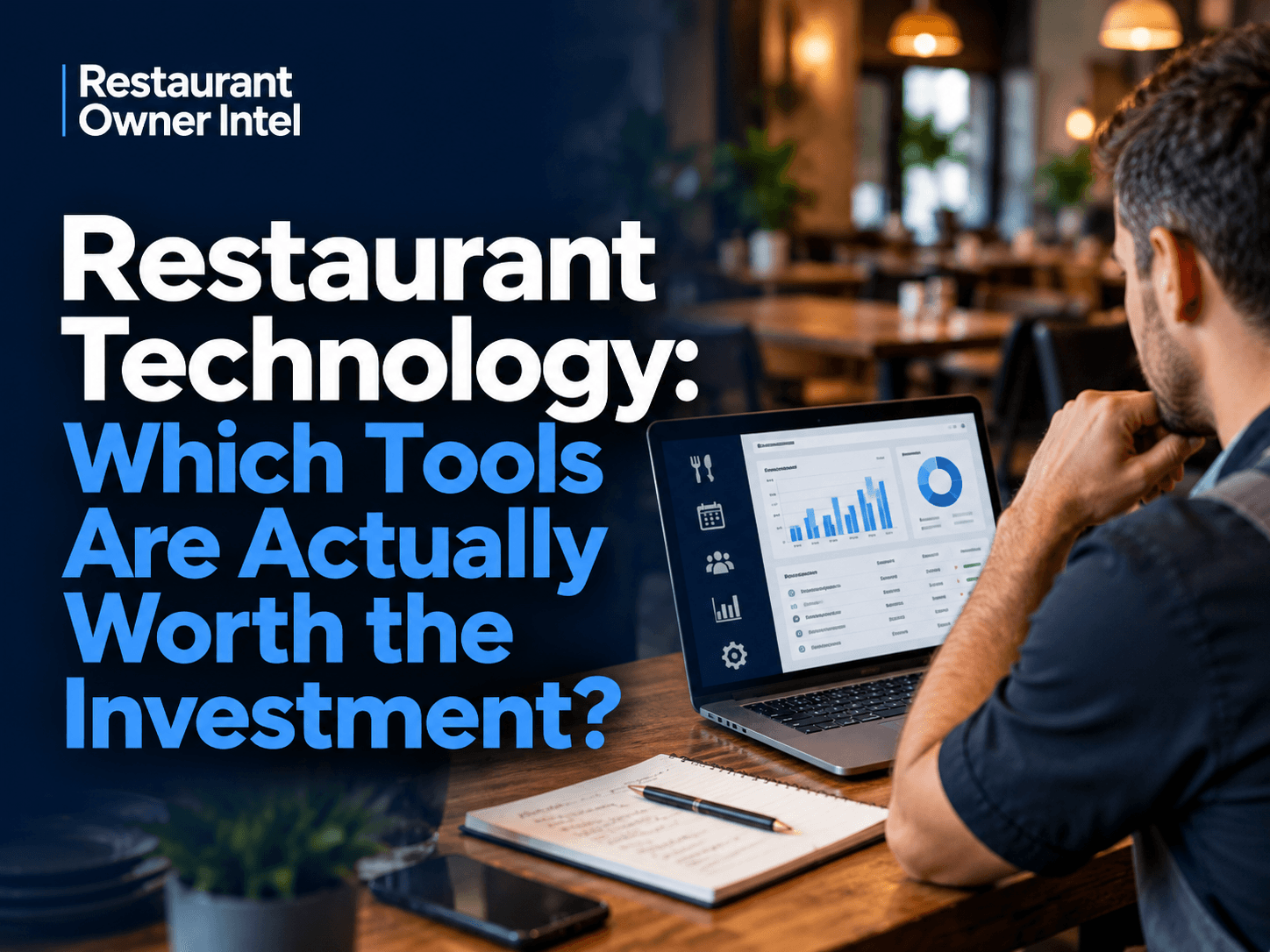
Restaurant Technology: Which Tools Are Actually Worth the Investment?
From POS systems and booking software to AI and staff scheduling, here's how to choose restaurant technology that earns its place in your budget, protects your margins and makes running your business easier.
Oct 18, 2026
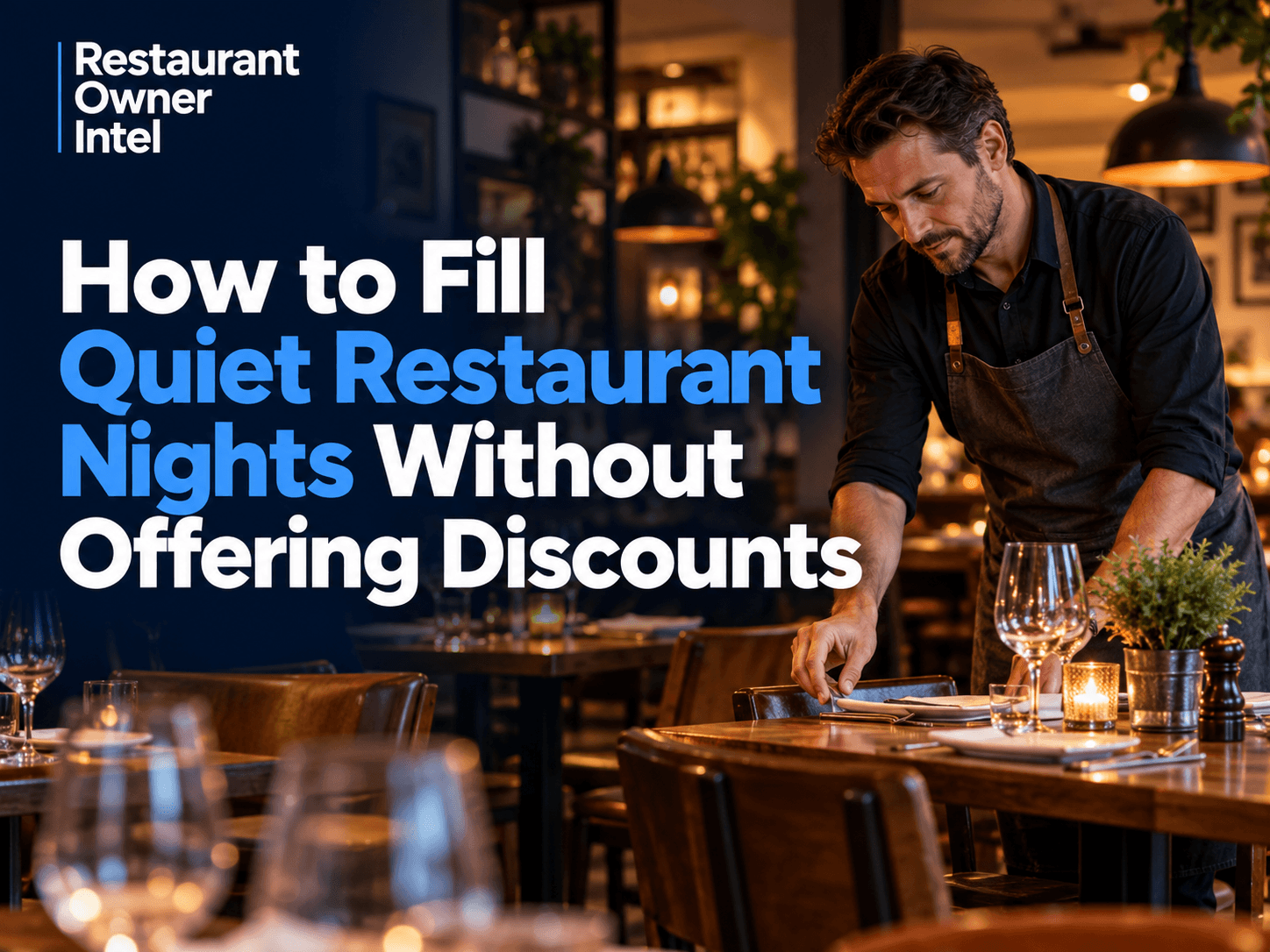
How to Fill Quiet Restaurant Nights Without Offering Discounts
Empty tables on a Tuesday or Wednesday can be expensive. But cutting prices isn't the only way to bring customers through the door. These practical restaurant marketing ideas can help you increase midweek bookings, give diners a reason to visit and protect your profit margins.
Oct 18, 2026
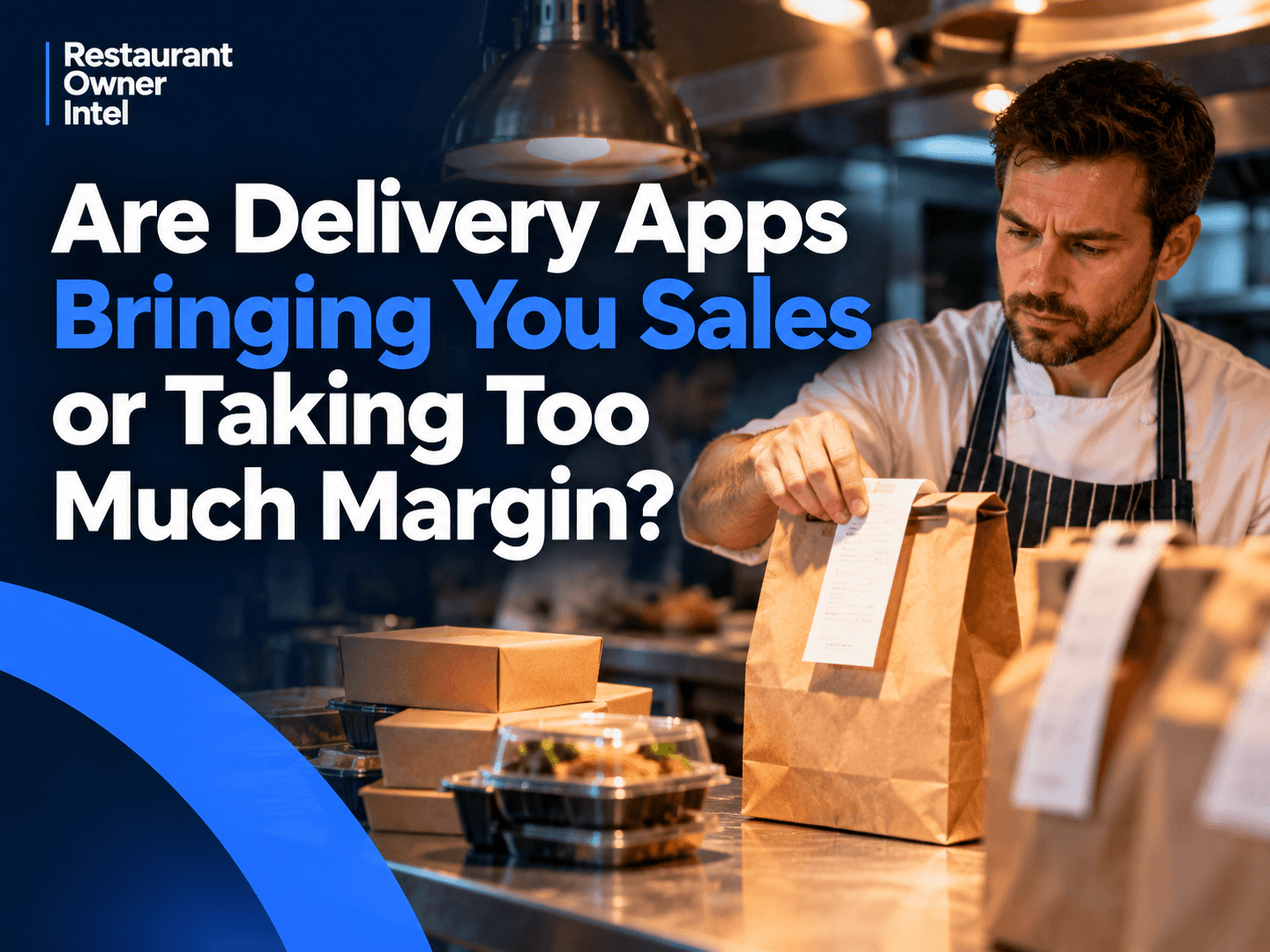
Are Delivery Apps Bringing You Sales or Taking Too Much Margin?
Delivery apps can keep your kitchen busy and your sales figures climbing. But how much of that money are you actually keeping? Here's how to uncover the real cost of restaurant delivery apps, protect your profit margins and make every order work harder for your business.
Oct 17, 2026
Why Customers Choose One Restaurant Over Another (And How to Win Their Business)
Why Customers Choose One Restaurant Over Another comes down to more than food and price. Understanding the psychology behind dining decisions can help your restaurant attract more customers, win bookings and build repeat business.
0 Comments
Join the conversation
Be the first to comment
Share your thoughts above.