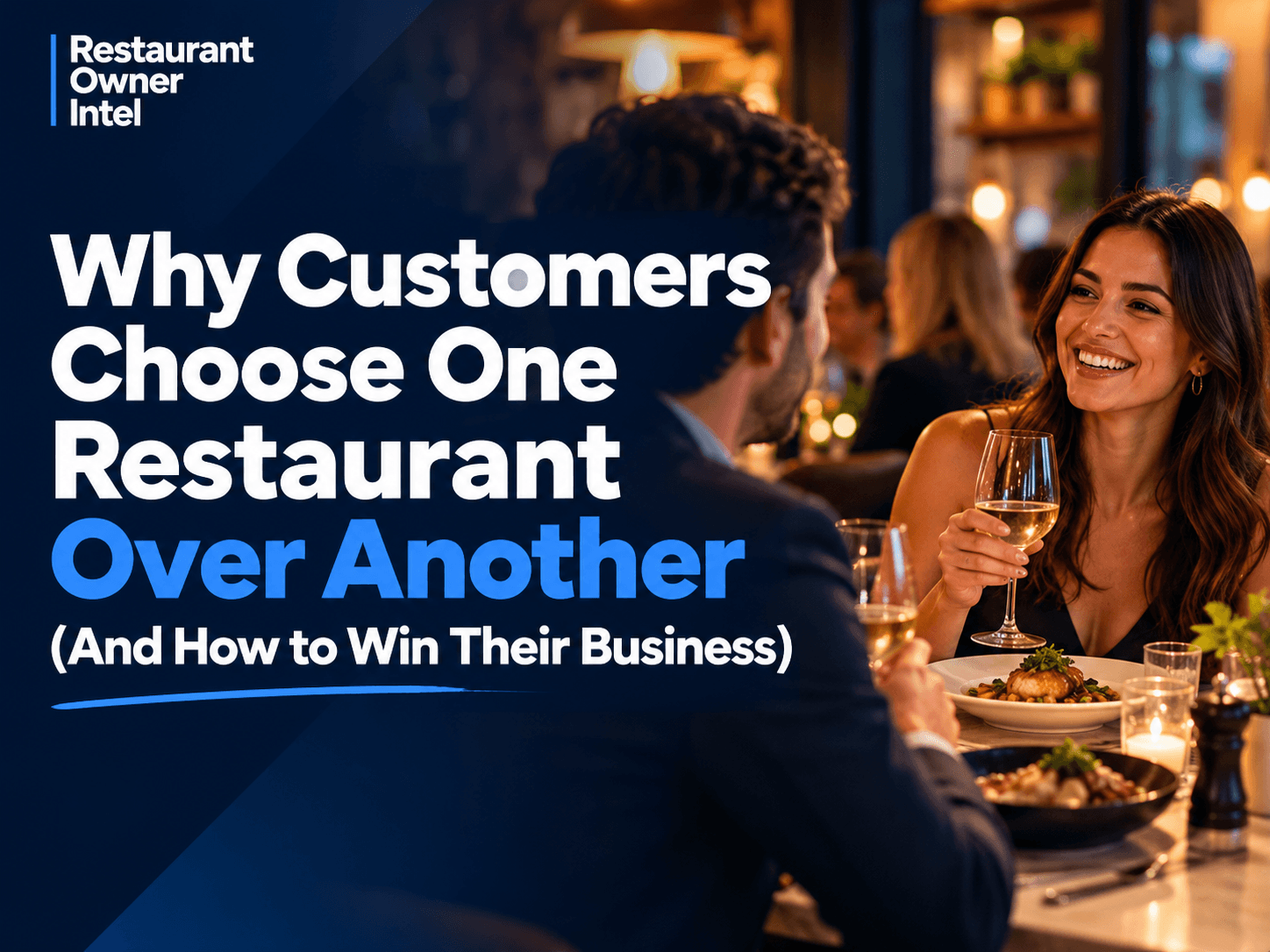
Why Customers Choose One Restaurant Over Another (And How to Win Their Business)
Why Customers Choose One Restaurant Over Another: Learn how trust, reviews, value and convenience influence bookings and help your restaurant stand out.
Picture two restaurants on the same street. Both serve good food. Their prices are similar. Both have friendly staff and respectable reviews. Yet on a Friday evening, one is turning customers away while the other has empty tables. The obvious explanation might be better food, a more attractive location or a bigger marketing budget. But the real difference could be something far less obvious. Perhaps the busier restaurant has photographs that make people hungry. Its reviews mention a welcoming atmosphere. Its menu is easy to find, and booking takes seconds. The quieter restaurant might offer an equally good meal. Potential customers simply have fewer reasons to feel confident choosing it. And that distinction matters. Customers make decisions about your restaurant long before they experience your food, service or hospitality. They form impressions from photographs, reviews, prices, menus and dozens of small details. Some decisions are deliberate. Others happen almost instinctively. Understanding why customers choose one restaurant over another gives independent restaurant owners an opportunity to influence those decisions without constantly reducing prices or spending more on advertising. The Restaurant Decision Starts Before Anyone Walks Through Your DoorThink about the last time you chose somewhere unfamiliar to eat. You probably didn't conduct a detailed investigation. You looked at a few options, checked some photographs, perhaps read a couple of reviews and made a decision. Your customers behave in much the same way. They are trying to answer several questions, often without consciously thinking about them. Will the food be good? Is it worth the money? Will the atmosphere suit the occasion? Could I end up regretting this choice? A restaurant that answers those questions convincingly has an immediate advantage. Consider two Italian restaurants competing for the same customers. The first has an outdated website, dark photographs and a menu hidden inside a difficult-to-read PDF. The second has inviting photographs, recent reviews, a clearly presented menu and a booking button that works properly on a phone. The first restaurant might serve exceptional pasta. But the second makes it easier to imagine an enjoyable evening. That is the challenge restaurant owners need to understand. You cannot rely on the quality of an experience customers have not yet had. You have to give them reasons to expect it. 1. Customers Want Confidence, Not Another GambleA disappointing restaurant meal is rarely just about the money. There is the wasted evening. The awkwardness of recommending somewhere that turns out to be poor. The birthday dinner that never quite feels special. Customers carry those possibilities into their decisions. The more important the occasion, the more reassurance they tend to want. This is why trust plays such a significant role in restaurant customer behaviour. A restaurant with recent reviews, accurate information and professional photographs appears easier to assess. Customers can see what they are likely to receive. An establishment with outdated opening hours, inconsistent photographs or unanswered complaints introduces uncertainty. That uncertainty can be enough to lose the booking. How to make your restaurant feel like the safer choiceStart with your Google Business Profile. Search for your restaurant as though you have never heard of it. Look closely at the first photographs customers see. Check your opening hours, menu link and booking information. Read your recent reviews. Would the information reassure someone planning an anniversary dinner or a family celebration? You do not need a perfect online reputation. Customers generally understand that restaurants occasionally receive complaints. What matters is whether the overall impression feels credible, current and trustworthy. A professional response to a reasonable complaint can sometimes be more reassuring than silence. The opportunity: Remove the small doubts that might persuade a potential customer to book elsewhere. 2. The Opinions of Strangers Can Be More Persuasive Than Your Own MarketingThere is something revealing about walking past two restaurants at lunchtime. One has a lively dining room. Conversations overlap, plates arrive at tables and customers appear relaxed. Next door, a similar restaurant is almost empty. You know nothing about either kitchen. You haven't seen the menus. Yet the busy restaurant may immediately feel more appealing. People often interpret the choices of others as evidence that something is worth trying. Psychologists call this social proof. It is one reason customer reviews can influence restaurant bookings so strongly. A restaurant can describe its food as excellent, its service as friendly and its atmosphere as welcoming. But when actual customers independently describe those experiences, the message can carry more weight. There is an important difference between a five-star rating and a review that tells a story. "Great restaurant" is pleasant feedback. "We came for my husband's birthday, the staff made us feel welcome, and the seafood was excellent" gives a potential customer something more useful. They can picture the occasion. They can imagine themselves having a similar experience. Turn your existing customers into a reason to visitMake it easy for satisfied customers to leave genuine reviews. Train staff to recognise appropriate moments to ask for feedback without making guests uncomfortable. Then pay attention to what people actually say. If reviews repeatedly mention generous portions, attentive staff or excellent Sunday lunches, you have valuable information about what makes your restaurant attractive. Use those strengths in your website copy, social media and menu presentation. And respond to reviews. Not with identical, scripted messages, but with replies that show someone is paying attention. The opportunity: Let real customer experiences support the promises your restaurant makes. 3. People Are Choosing an Evening, Not Just a Plate of FoodA beautifully cooked steak can be served in a noisy dining room with uncomfortable chairs. A simple pasta dish can be enjoyed over candlelight, with good conversation and attentive service. Which experience would someone choose for an anniversary? The answer depends on the occasion. Customers are not simply buying food. They are choosing a setting for something happening in their lives. A quick lunch between meetings. A relaxed Sunday with the family. A first date. A long-overdue evening with friends. Each occasion comes with different expectations. This is where restaurant atmosphere becomes commercially important. Your lighting, music, seating, service style and overall presentation help customers decide whether your restaurant feels right for them. But there is a catch. If your marketing only shows close-up photographs of food, customers may never see the atmosphere that makes your restaurant special. Show people what their visit could feel likeA neighbourhood restaurant known for family celebrations should show more than its menu. Photographs of comfortable tables, welcoming surroundings and the dining room during service can communicate the experience. A restaurant specialising in intimate evening dining might focus on warm lighting, thoughtful table settings and the relaxed pace of the room. A busy lunchtime café could emphasise fresh food, efficient service and convenience. The aim is not to manufacture an atmosphere that doesn't exist. It is to make the experience you already provide easier to understand. The opportunity: Give potential customers a clear picture of the occasion your restaurant is particularly good at delivering. 4. Customers Don't Always Want the Lowest Price. They Want to Feel Their Money Is Well Spent.A customer might hesitate over a £19 main course in one restaurant and happily spend £28 in another. That doesn't necessarily mean price is unimportant. It means price is being judged alongside everything else. Portion size. Ingredients. Presentation. Service. Surroundings. The occasion. Together, these details shape perceived value. And perceived value is one of the reasons customers choose one restaurant over another. A higher price can feel reasonable when the customer understands what makes the experience worthwhile. Equally, a modestly priced dish can feel disappointing if the portion, presentation or service falls short of expectations. For restaurant owners, this creates an important distinction between improving value and simply reducing prices. Discounting might encourage a booking, but it also reduces the amount you earn from that sale unless additional volume or other benefits make up the difference. Communicating value more effectively can be a better starting point. Make your menu work harderConsider this menu description: "Chicken Breast – £19" Now compare it with: "Chargrilled chicken breast with garlic butter, roasted potatoes and seasonal vegetables – £19" The second description gives the customer a clearer understanding of what arrives at the table. It makes the dish easier to picture. That does not guarantee more sales. But it gives customers more information with which to judge the price. Review your menu with this in mind. Are your best dishes described properly? Do the photographs reflect the portions customers actually receive? Are the ingredients or preparation methods that justify a premium price clearly communicated? A restaurant that explains its value well may have less reason to compete on price alone. The opportunity: Strengthen the customer's perception of what they receive before considering another discount. 5. A Complicated Booking Process Can Send Customers Straight to a CompetitorIt's 6.15pm. Someone has finished work and is trying to arrange dinner for four people. They search Google, compare a few restaurants and find one they like. The menu looks good. The reviews are reassuring. Then they try to book. The website loads slowly. The reservation button is difficult to find. The booking page doesn't work properly on their phone. So they return to Google and choose another restaurant. The original restaurant may never know the booking was lost. There is no complaint. No negative review. No conversation with a member of staff. Just a customer who quietly disappeared. This is why convenience deserves attention in any restaurant marketing strategy. Customers have limited patience, particularly when several acceptable alternatives are available. Every unnecessary step creates another opportunity for someone to change their mind. Test the journey yourselfTake out your phone and search for your restaurant. Can you find the menu immediately? Can you see whether the restaurant is open? Can you check availability and make a booking without confusion? If you offer online ordering, is the ordering process equally straightforward? Ask someone who is unfamiliar with your website to complete the same task. Watch where they hesitate. The problem might be something you have stopped noticing because you already know how your own website works. The opportunity: Make choosing and booking your restaurant feel effortless. 6. Familiar Restaurants Have an Advantage Before the Comparison Even BeginsThere is a reason a restaurant you've noticed several times can feel more appealing than one you've never heard of. Recognition creates familiarity. Perhaps a potential customer has driven past your sign on the way home. A few days later, they see a photograph of your Sunday roast on Facebook. Then a friend mentions having a good meal there. When they eventually search for somewhere to eat, your restaurant is no longer completely unfamiliar. They already have a picture of it in their mind. This doesn't mean familiarity automatically wins the booking. But positive, repeated exposure can make a restaurant easier to remember and more comfortable to consider. For independent restaurants, this is particularly useful. You don't need a national advertising campaign to become recognisable within your local area. You need consistency. Build recognition without increasing your workloadYour signage, website, social media and Google Business Profile should present a recognisable identity. Use consistent colours, good-quality photographs and a clear description of the restaurant experience. Show your food regularly, but include the people and surroundings that give the business its character. A familiar dining room, a recognisable chef or a signature dish can all help customers remember you. Consistency matters more than constantly changing your message in an attempt to attract attention. The opportunity: Become a restaurant local customers recognise and remember when the occasion to eat out arises. 7. The Last Five Minutes Can Decide Whether Customers ReturnA couple has enjoyed a good meal. The food arrived promptly. The service was friendly. Everything seemed to be going well. Then they ask for the bill. Ten minutes pass. They ask again. By the time they finally pay, the relaxed mood has disappeared. On the journey home, that frustrating ending becomes part of the story they tell about the restaurant. Customer psychology doesn't stop once someone makes a booking. The experience itself influences whether they recommend you, leave a positive review or return. People can place particular weight on memorable moments and how an experience ends. That makes the final stages of service worth examining. A warm farewell, a smooth payment process and a genuine thank-you might seem like minor details. But they help determine how customers feel when they leave. And repeat customers matter commercially. Someone who has already enjoyed your restaurant has fewer uncertainties to overcome when deciding where to eat next. You have already demonstrated what you can deliver. The challenge is doing it consistently. Pay attention to the moments customers rememberLook at your guest experience from arrival to departure. Is the welcome warm and organised? Do customers understand the menu? Are delays communicated clearly? Can guests get someone's attention when they need assistance? Is paying the bill straightforward? You don't need to overhaul your entire service operation. Identify one recurring frustration and remove it. Sometimes the improvements that encourage repeat business are operational rather than promotional. The opportunity: Give customers a reason to remember the whole experience positively, not just the food. Why Customers Choose One Restaurant Over Another: Look at Your Business Through Their EyesIt's easy to become accustomed to your own restaurant. You know the quality of the ingredients. You know how hard the kitchen works. You know which dishes customers love. A first-time customer knows none of that. They see a Google listing, a few photographs, a menu and whatever other information they can find. So take five minutes and look at your business from that position. Ask yourself:
Then compare your restaurant with two nearby competitors. Not from the perspective of an owner who understands the business, but from someone who has never visited any of them. Which restaurant makes the strongest first impression? Which gives the clearest sense of value? Which makes booking easiest? The answers may reveal weaknesses that are difficult to spot from inside your own operation. Better Customer Psychology Can Make Your Existing Marketing More ProfitableRestaurant owners often concentrate on reaching more people. More social media views. More website visitors. More advertising. More exposure. But attracting attention is only part of the job. What happens after someone finds your restaurant is equally important. Consider a simple example. Your website and Google listing generate 1,000 visits from potential customers over a particular period. If 3% of those visits result in a booking, that produces 30 bookings. Improve that conversion rate to 4%, and the same number of visits produces 40 bookings. Illustrative booking conversion Before · 3% conversion After · 4% conversion 10 additional bookings from the same traffic Hypothetical figures for illustration. Actual results depend on traffic quality, booking availability and other factors. Those ten additional bookings haven't come from reaching more people. They've come from converting a greater proportion of the interest you already receive. Now consider what that could mean if some of those customers return, recommend your restaurant or bring friends on future visits. The commercial value can extend beyond the original booking. This is why understanding customer behaviour should influence how you invest in marketing. Before spending more money attracting potential customers, make sure your restaurant is giving them convincing reasons to choose you. Products / Tools / ResourcesYou don't need expensive software or a complicated customer psychology programme to improve how diners perceive your restaurant. A handful of practical tools can help you understand where customers hesitate, strengthen trust and make bookings easier. Google Business Profile — Improve the first impressionYour Google listing is one of the most useful places to start. Keep photographs, opening hours, menus and booking information accurate. Read customer reviews regularly and look for recurring strengths or complaints. Resource: Google Business Profile Google Search Console — Understand how customers find youSearch Console can show which Google searches bring people to your website, which pages receive clicks and where search visibility could improve. Look for searches related to your cuisine, location, dining occasions and restaurant name. These can reveal what potential customers are looking for before they make a decision. Resource: Google Search Console Google Analytics — See what happens after customers arrive onlineAnalytics can help you understand which pages visitors use, where traffic comes from and whether visitors complete measurable actions, provided the relevant tracking is configured. Pay attention to menu visits and booking-button interactions rather than focusing only on total website traffic. Resource: Google Analytics Canva — Make your restaurant presentation more consistentCanva can be useful for creating menu graphics, social media posts and simple promotional materials without requiring professional design skills. Use real restaurant photography wherever possible. Accurate, appealing images of your own food and dining room are more valuable than generic images that create the wrong expectations. Resource: Canva Microsoft Clarity — Identify website frictionClarity offers tools such as session recordings and heatmaps that can help you see where website visitors struggle, subject to appropriate privacy and consent arrangements. It can be particularly useful if customers visit your booking page but don't complete the process. Resource: Microsoft Clarity Your own customer reviews — A free source of customer intelligenceFinally, don't overlook information you already have. Read your last 30 customer reviews across the platforms you use. Look for patterns in what guests praise, what disappoints them and which experiences they remember. You may find that customers value something you rarely mention in your marketing. Or you may discover that a small, recurring service problem is undermining an otherwise excellent experience. Either finding gives you something useful to act on. |
Restaurant Owner Resource |
Free AI Restaurant Growth Plan |
Curious what growth opportunities your restaurant might be missing? Our free AI-powered Growth Plan analyses your restaurant's online presence, marketing and growth goals to identify opportunities you may not have considered.
|
Oct 18, 2026
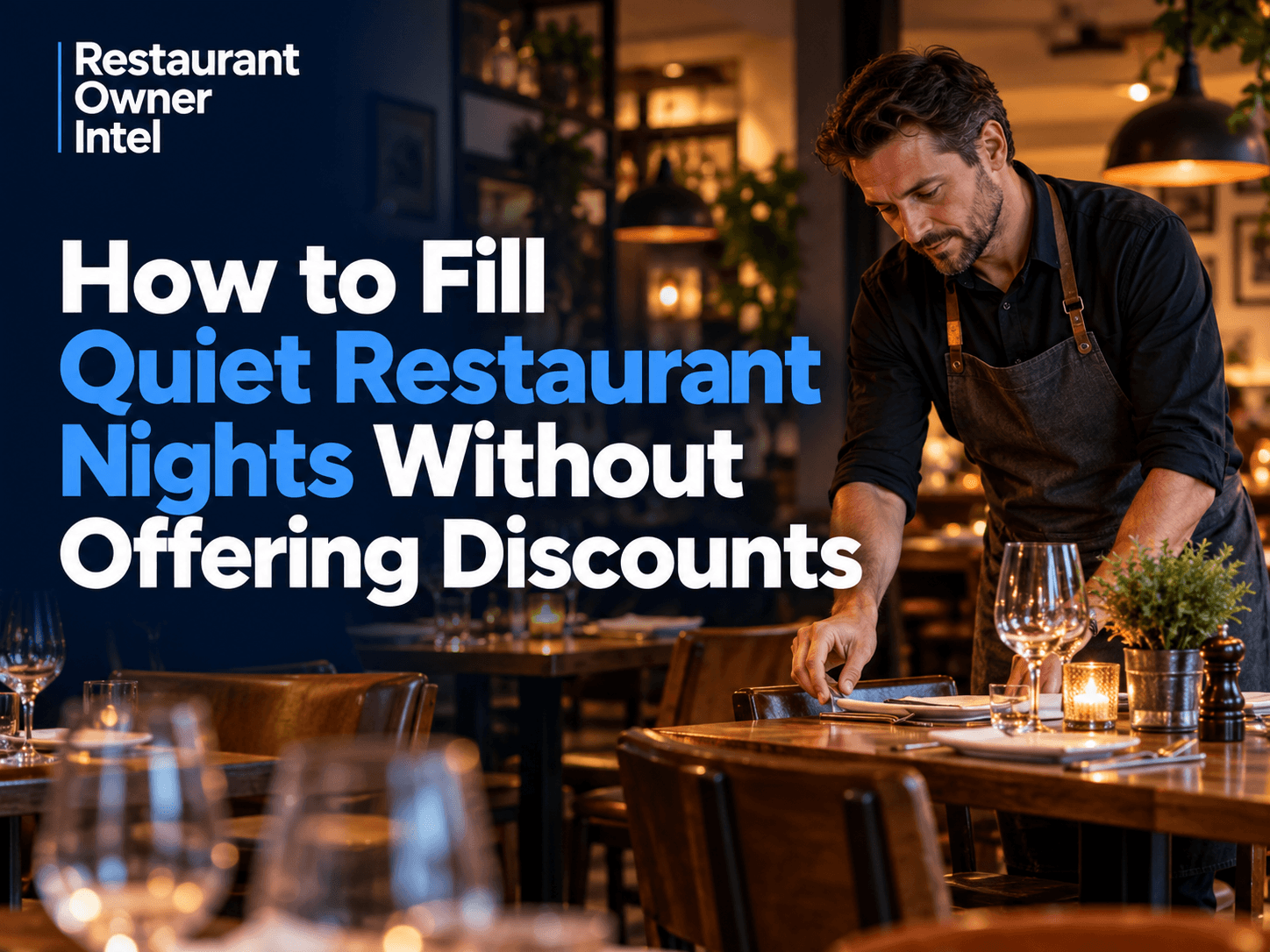
How to Fill Quiet Restaurant Nights Without Offering Discounts
Empty tables on a Tuesday or Wednesday can be expensive. But cutting prices isn't the only way to bring customers through the door. These practical restaurant marketing ideas can help you increase midweek bookings, give diners a reason to visit and protect your profit margins.

Oct 18, 2026
Are Delivery Apps Bringing You Sales or Taking Too Much Margin?
Delivery apps can keep your kitchen busy and your sales figures climbing. But how much of that money are you actually keeping? Here's how to uncover the real cost of restaurant delivery apps, protect your profit margins and make every order work harder for your business.
Oct 16, 2026
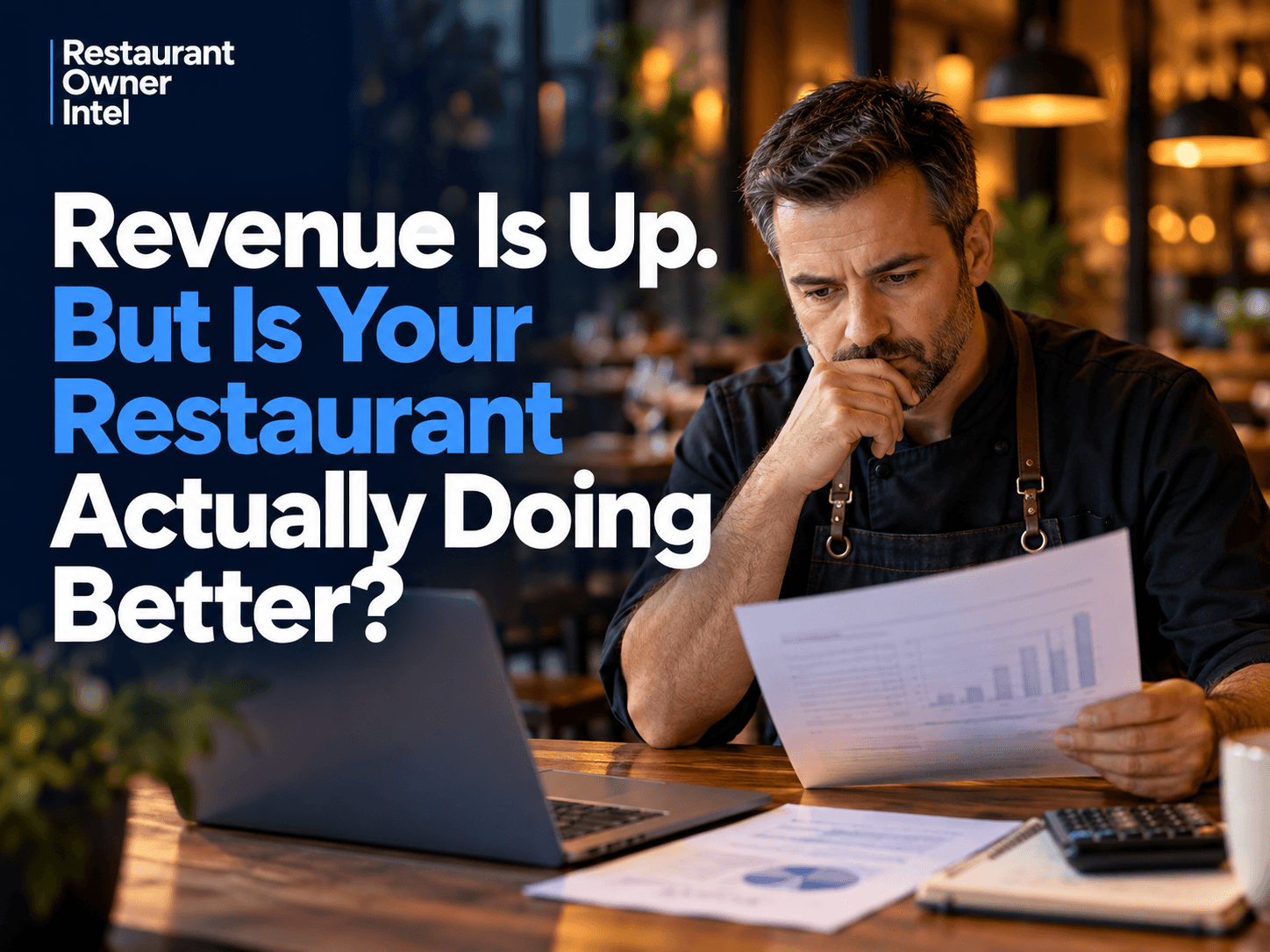
Revenue Is Up. But Is Your Restaurant Actually Doing Better?
Higher sales can create the impression of a healthier restaurant business. But unless customer numbers, operating costs and profit margins are improving too, revenue growth may be hiding a very different story.
Oct 15, 2026
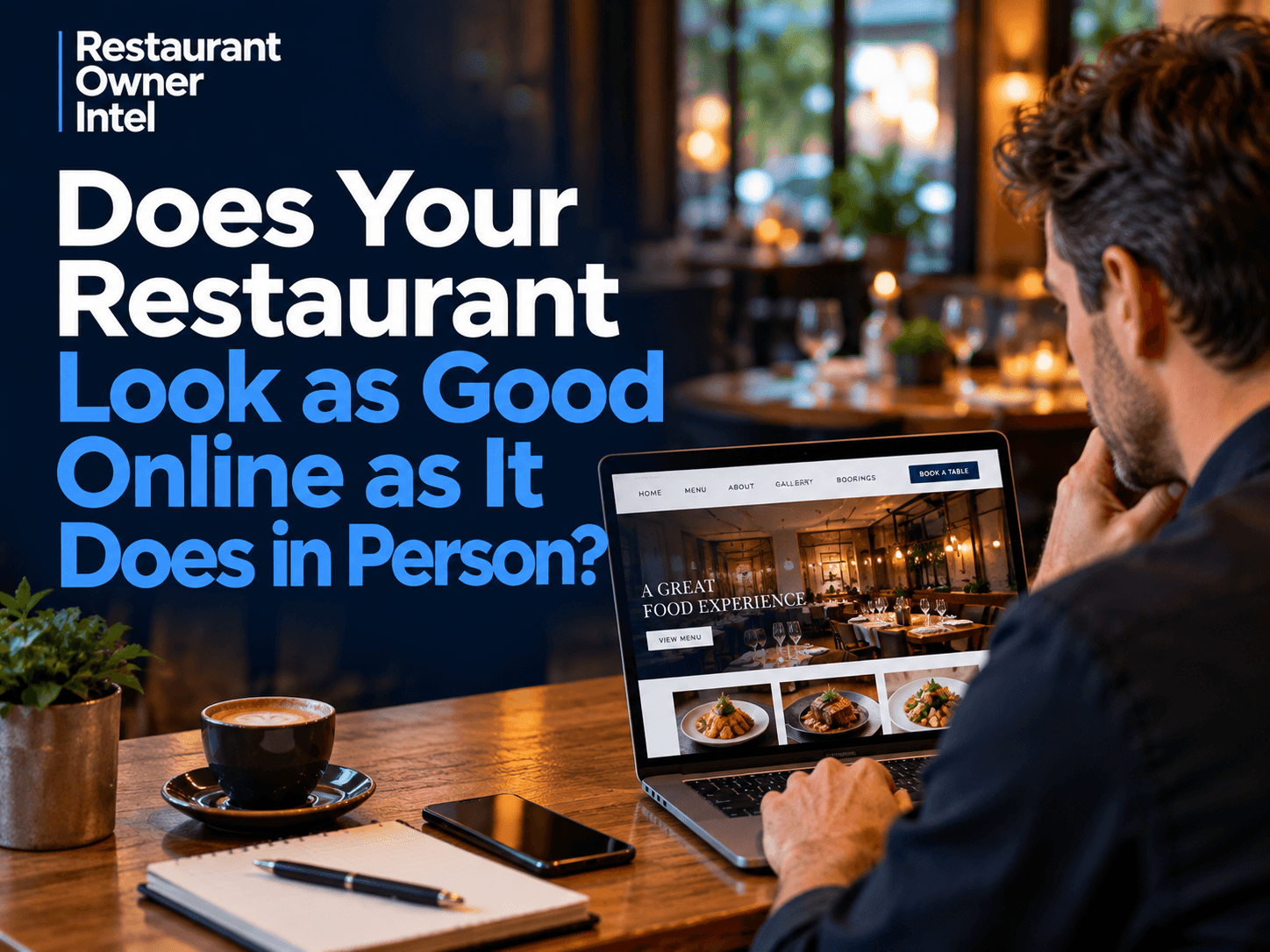
Does Your Restaurant Look as Good Online as It Does in Person?
Your restaurant might be everything a customer wants when they walk through the door. But if your online presence tells a different story, you could be losing bookings before anyone gets the chance to experience it.
0 Comments
Join the conversation
Be the first to comment
Share your thoughts above.