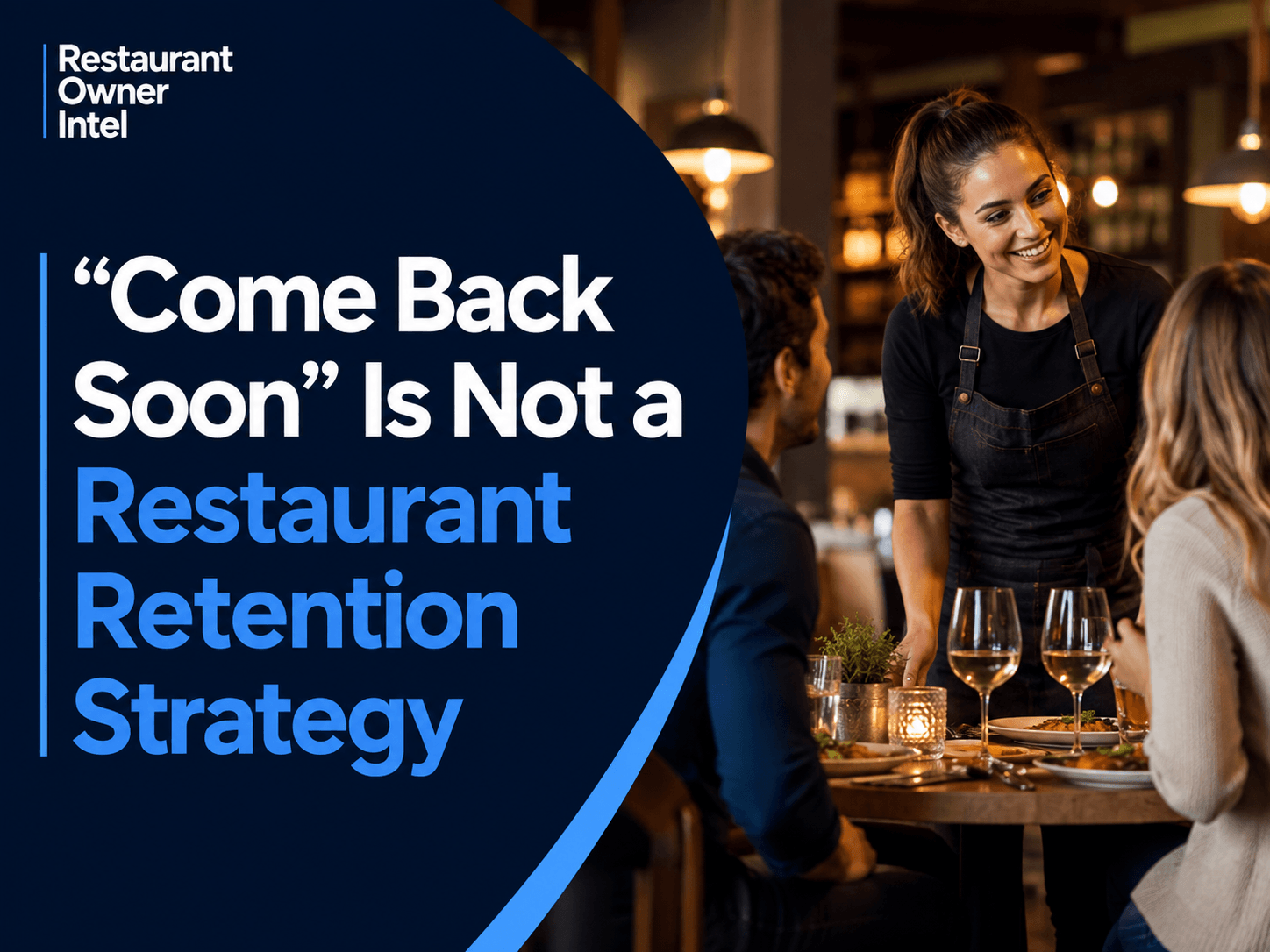
“Come Back Soon” Is Not a Restaurant Retention Strategy
Want more repeat restaurant customers? Learn how simple return triggers can give first-time diners a clear, timely reason to visit your restaurant again.
“Come back soon” sounds friendly. It also asks the customer to do all the work. They have to remember your restaurant, decide they want to eat out, think of you before several other places, find a suitable day, and then make the booking. That’s a lot of decisions hidden inside three casual words. For a first-time customer, there may be no established habit pulling them back. They might have enjoyed the meal. They might have told someone it was good. They might even intend to return. But intention is weak when there’s no specific reason to act. This is where a lot of restaurant retention marketing falls short. It focuses on encouraging customers to spend again without giving them a strong enough reason to choose the restaurant again. Those are not the same thing. A discount says, “Spend with us again and it will cost you less.” A return trigger says, “Here’s why another visit makes sense now.” That distinction matters because most customers don’t wake up thinking, “Which restaurant should I demonstrate loyalty to today?” They respond to occasions, cravings, plans, people, timing and relevance. Your retention marketing should work with those things. The customer needs a trigger, not a reminderA useful way to think about repeat visits is this: A reminder tells customers that you exist. A return trigger gives them a reason to act. That’s the difference between sending an email that says: “We’d love to welcome you back soon.” And sending one that says: “Our autumn menu starts Thursday, including the slow-cooked beef dish that replaces the summer special.” The first message asks the customer to create the reason. The second supplies one. The same principle works across almost every type of independent restaurant. A neighbourhood Italian restaurant can tell recent customers about a new seasonal pasta. A family restaurant can promote an early Sunday booking slot that works well for families with young children. A small bistro can use a quieter Tuesday to run a fixed menu built around a dish that regular customers already like. A restaurant with a changing specials board can give customers a reason to follow what’s appearing next. A venue that hosts occasional live music can make the event the reason for another visit rather than treating it as a standalone promotion. The point isn’t that every restaurant needs endless offers. It’s that repeat visits become easier to generate when you regularly create a clear answer to the customer’s unspoken question: Why should I come back now? That question should sit behind almost every retention message you send. If the message doesn’t answer it, there’s a good chance you’re relying on memory and goodwill. Neither is a reliable system. Build a small library of return triggersRestaurant owners often make retention harder than it needs to be because they assume every message has to be invented from scratch. It doesn’t. You can build a small library of repeatable return triggers and use them throughout the year. The useful test is not, “What can we promote?” It is, “What has changed, become available, become timely or become relevant enough to justify another visit?” That creates several practical categories. Menu changes give customers something new to try. This might be a new dish, a refreshed lunch menu, a chef’s special, a new dessert, a change to the wine list or the return of something customers have previously enjoyed. Seasonal dishes create natural timing. A dish that only appears for a limited part of the year has a built-in reason to act sooner rather than later. The value isn’t necessarily scarcity for its own sake. It is relevance. Quiet-night reasons help direct existing demand into underused periods. Instead of simply discounting Tuesday because Tuesday is slow, give Tuesday an identity. A set menu, steak night, tasting menu, family supper or small event can make the day itself the reason to return. Events create a date around which the decision can form. Live music, a local celebration, a food event, a themed evening or a major occasion can all work when they fit the restaurant. Family occasions help customers connect the restaurant with moments they already expect to spend money on. Birthdays, anniversaries, Mother’s Day, Father’s Day, graduations and family gatherings are obvious examples, but ordinary occasions can matter too. Sunday lunch with parents. A midweek meal after children’s activities. Dinner before a nearby event. Limited items make the decision more concrete. A weekend special, short-run menu item or one-off dish can turn vague interest into a reason to choose a date. Customer preferences create personal relevance. If someone has previously booked for brunch, a brunch-related message is more useful than an unrelated dinner promotion. If a customer has shown interest in vegetarian dishes, a new vegetarian menu item is more relevant than a generic offer. You don’t need sophisticated technology to understand the principle. You need to stop treating every customer as if the only meaningful fact you know about them is their email address. A restaurant can start simply. Notice what people book. Notice what they order. Notice what events fill quickly. Notice which dishes generate comments. Notice which quieter periods could support a distinctive reason to visit. Then build retention messages around those patterns. This is where the commercial value becomes clearer. If your only retention tool is a discount, every attempt to bring someone back reduces the price. If you have a library of return triggers, you can create relevance without automatically sacrificing margin. That doesn’t mean discounts are always wrong. It means price should not have to do all the work. A simple exampleImagine a couple visits a neighbourhood restaurant for the first time on a Saturday evening. They have a good meal. One of them orders a mushroom risotto and mentions to the server that it’s excellent. Three weeks later, the restaurant sends a general email: “Missing us? Book again this week and get 10% off your meal.” That may work. But look at what the message is doing. The restaurant is trying to buy another visit. Now consider a different message: “Our new autumn menu starts this Friday. If you enjoyed the mushroom risotto, we’ve kept it on the menu and added a roasted squash ravioli alongside it.” The second message does several things differently. It creates a new reason to visit. It connects the next visit to something the customer already enjoyed. It gives the customer a simple story they can tell the other person. “They’ve got the new autumn menu. Shall we go back?” That is useful because restaurant decisions are often social decisions. One person doesn’t just need to become interested. They often need an easy reason to suggest the restaurant to someone else. This gives us another useful retention test: Can the customer easily explain the reason to return to the person they’d visit with? If the message is difficult to repeat, it may be too vague.
Those are portable reasons. Customers can pass them on. “Come back soon” isn’t portable. There’s nothing in it to discuss. That makes the return trigger more than a marketing message. It becomes a decision shortcut. You are reducing the amount of thinking required for the customer to choose you again. That’s the deeper mechanism. The customer is not only deciding whether your restaurant is good. They are deciding whether there is a reason to visit it on a particular occasion. A restaurant can be well liked and still lose the booking because another restaurant has a more obvious reason to choose it that week. This is why “We provide great food and service” is not enough as a retention message. Those things matter enormously, but they are usually the foundation for the next visit, not the trigger for it. The trigger answers the timing question. Why this restaurant? Why this occasion? Why now? You don’t need all three answers in every message, but the strongest reasons to return usually make at least two of them obvious. Before sending any retention email, text, social post or customer message, run it through a simple test: What changed? Who is it relevant to? Why now? If nothing changed, there may be no reason to send it. If you don’t know who it is relevant to, the message may be too broad. If there is no answer to “Why now?”, you are probably asking the customer to remember you rather than giving them a reason to act. You can apply the same test to your marketing calendar. Look at the next eight to twelve weeks. Where are the natural return triggers? Which menu changes are coming? Which quieter services could support something distinctive? Which seasonal dishes will appear? Which local events create an occasion? Which customer groups have a clear reason to return? Which popular item could be brought back? Which new experience could give a recent customer something different to try? You don’t need twenty ideas. You need a small number of credible reasons that fit your restaurant and can be repeated consistently. That is the practical shift. Stop asking, “How do we remind customers to come back?” Ask, “What are we giving them to come back for?” Once you start thinking that way, retention marketing becomes less about sending more messages and more about creating better reasons. And that can expose a bigger issue: if you regularly struggle to find a convincing answer to “Why should I come back now?”, the problem may not be your retention marketing at all. It may be that the restaurant isn’t creating enough fresh reasons for existing customers to choose it again. Try This With AIUse the AI you're already using: ChatGPT, Claude, Gemini, Grok, Meta AI, Copilot, or another general-purpose AI assistant. Replace the example information inside the brackets with your own information, then copy and paste the complete prompt into your AI. AI PromptAct as a practical restaurant customer-retention strategist. Using only the information I provide, identify the strongest reasons existing customers could realistically return to my restaurant in the next 8 to 12 weeks, focusing on return triggers rather than generic discounts or “come back soon” messaging. Apply this test to every idea: What changed, who is it relevant to, and why now? Prioritize triggers based on menu changes, seasonal dishes, quieter services, events, family occasions, limited items, popular returning dishes, and customer preferences where relevant. Then give me the 5 strongest return triggers, ranked from most useful to least useful, and for each one explain why it could work, which customer group it suits, the best timing, and one concise retention message that makes the reason to return easy for a customer to repeat to someone else. Don’t invent facts, events, offers, customer behavior, scarcity, or preferences that I haven’t supplied. If you make a reasonable inference, label it clearly as an inference. Finish by identifying any obvious gap where my restaurant currently lacks a convincing answer to “Why should I come back now?” [Describe your restaurant, current menu or upcoming changes, quieter days or services, any events or seasonal plans, popular dishes, and anything you know about customer preferences. Example: “We run a 60-seat independent Italian restaurant in a residential area. Fridays and Saturdays are strong, but Tuesdays and Wednesdays are quiet. We’re launching an autumn menu next month with a new wild mushroom ravioli, while keeping our popular lasagne. We do Sunday lunch, have lots of couples and young families, and occasionally run live acoustic music on Thursdays. We collect customer emails through online bookings but mostly send generic updates.”] |
Restaurant Owner Resource |
Free AI Restaurant Growth Plan |
Curious what growth opportunities your restaurant might be missing? Our free AI-powered Growth Plan analyses your restaurant's online presence, marketing and growth goals to identify opportunities you may not have considered.
|
Oct 19, 2026
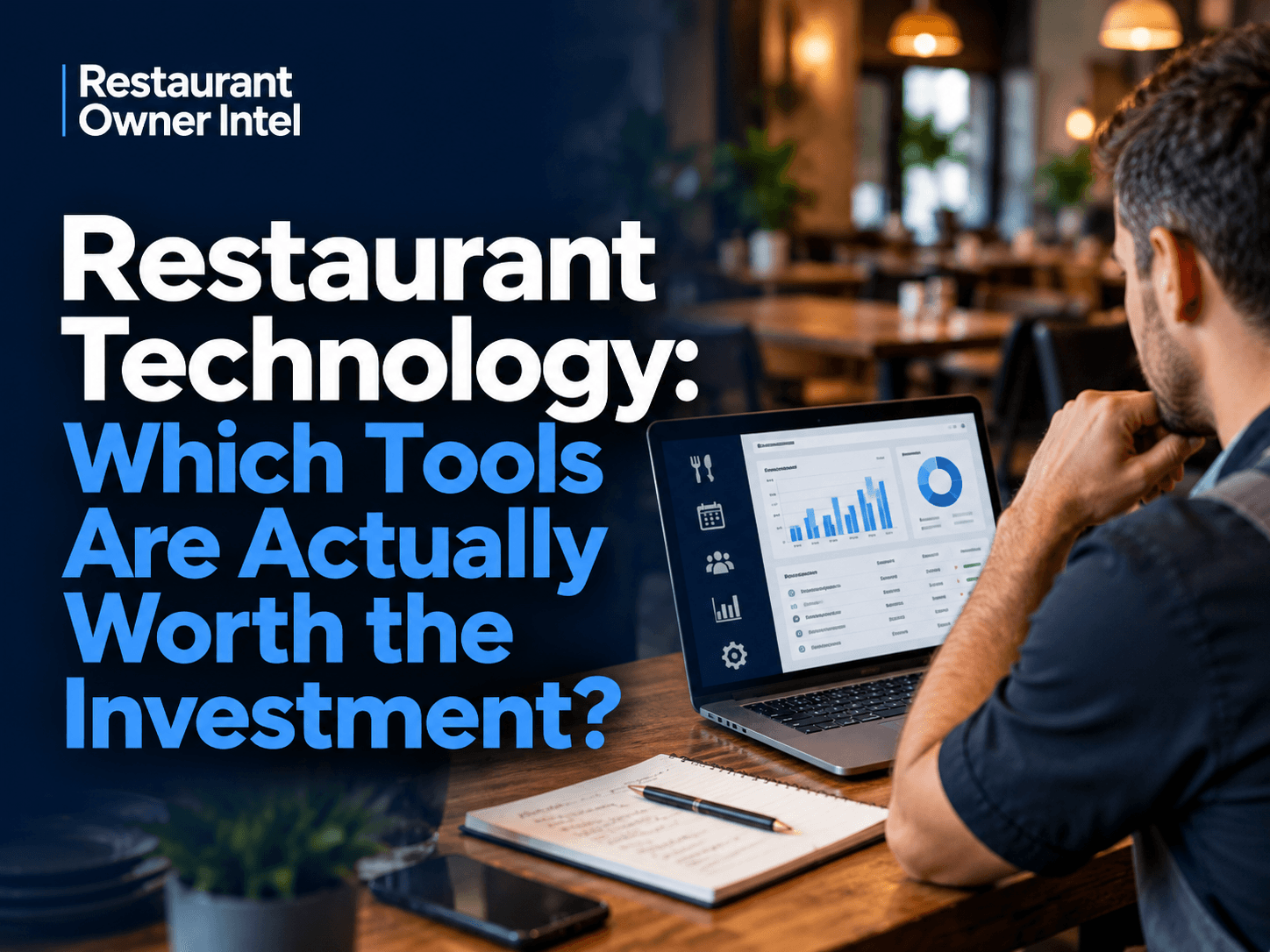
Restaurant Technology: Which Tools Are Actually Worth the Investment?
From POS systems and booking software to AI and staff scheduling, here's how to choose restaurant technology that earns its place in your budget, protects your margins and makes running your business easier.
Oct 18, 2026
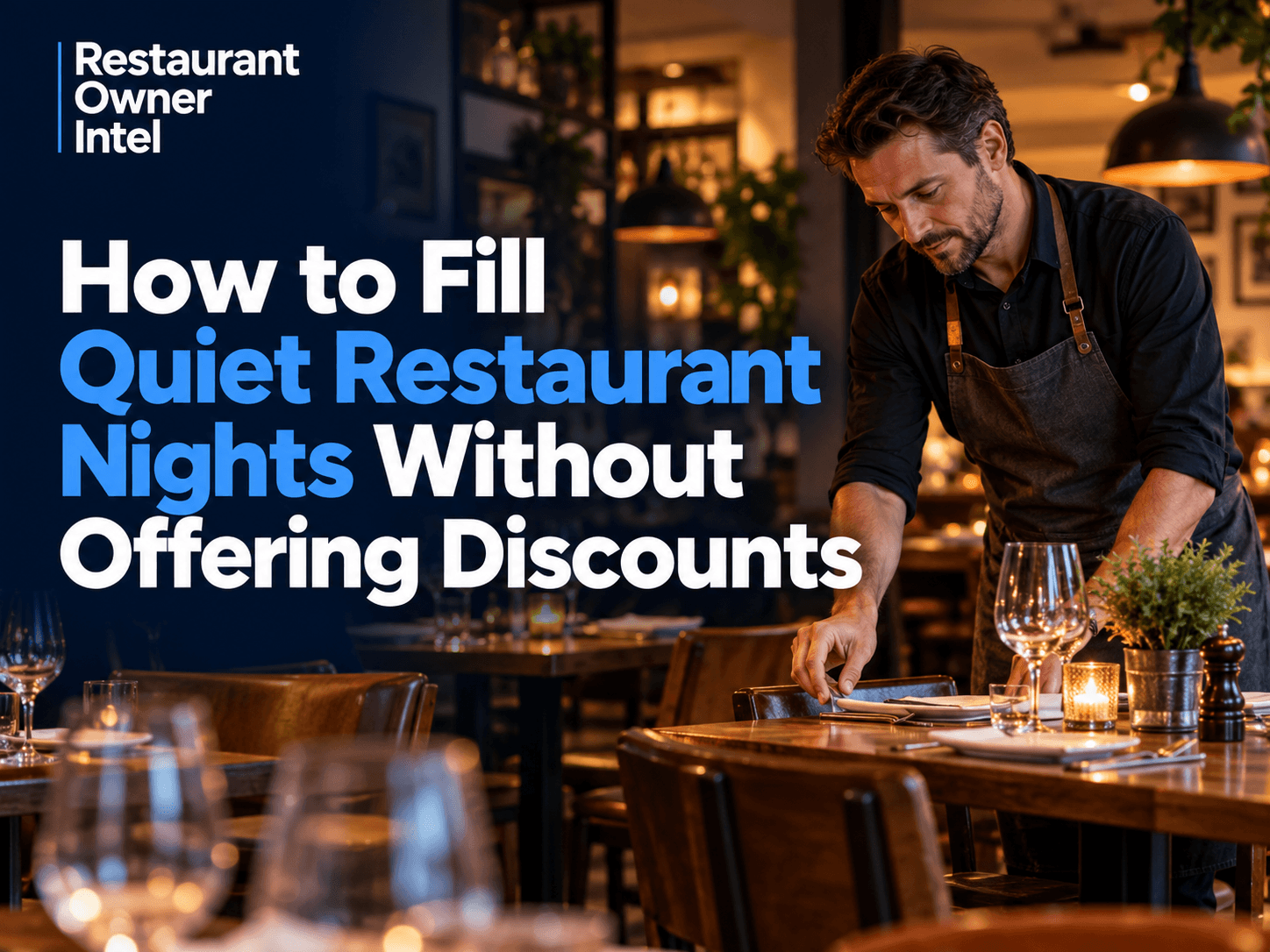
How to Fill Quiet Restaurant Nights Without Offering Discounts
Empty tables on a Tuesday or Wednesday can be expensive. But cutting prices isn't the only way to bring customers through the door. These practical restaurant marketing ideas can help you increase midweek bookings, give diners a reason to visit and protect your profit margins.
Oct 18, 2026
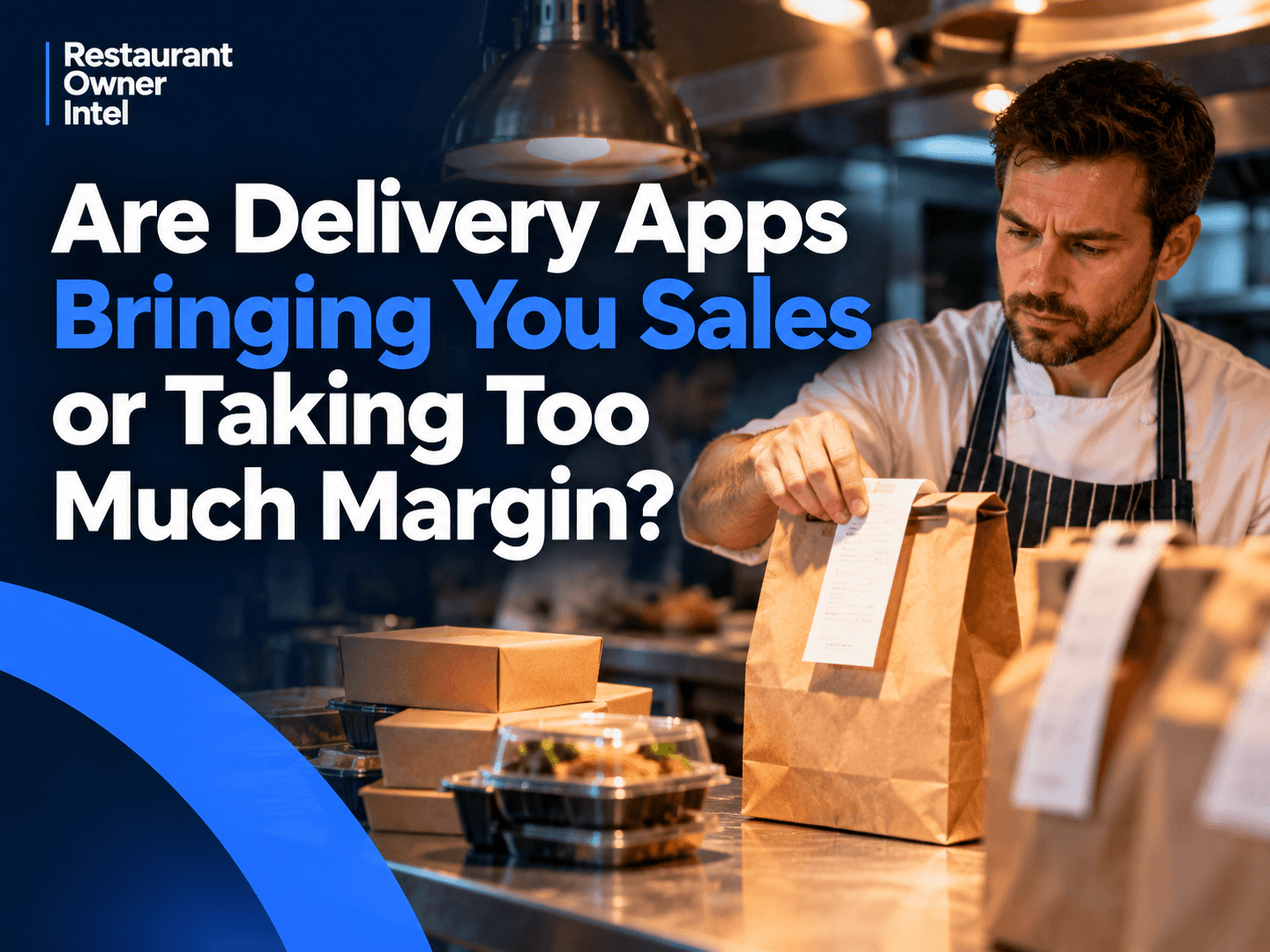
Are Delivery Apps Bringing You Sales or Taking Too Much Margin?
Delivery apps can keep your kitchen busy and your sales figures climbing. But how much of that money are you actually keeping? Here's how to uncover the real cost of restaurant delivery apps, protect your profit margins and make every order work harder for your business.
Oct 17, 2026
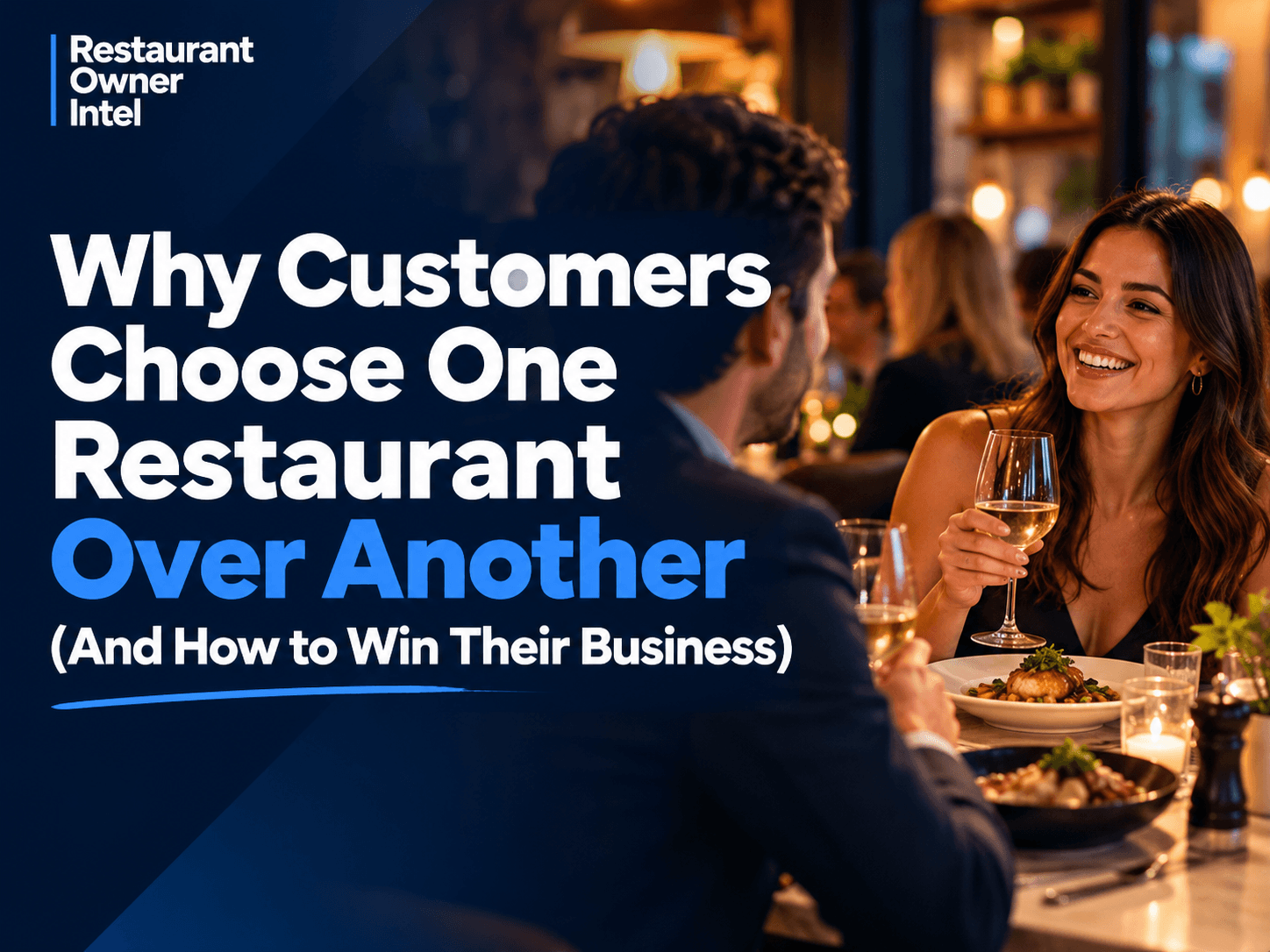
Why Customers Choose One Restaurant Over Another (And How to Win Their Business)
Why Customers Choose One Restaurant Over Another comes down to more than food and price. Understanding the psychology behind dining decisions can help your restaurant attract more customers, win bookings and build repeat business.
0 Comments
Join the conversation
Be the first to comment
Share your thoughts above.