
 |
From Chris Towland |
Hi,
Welcome to today's Restaurant Owner Intel.
Today, I’ve got two practical areas to look at that can have a direct impact on restaurant performance.
Then, we look at staffing: specifically, how to make better rota decisions by using real demand signals rather than relying solely on what usually happens.
I hope you find something useful you can put into practice.
Chris |
Featured Articles |

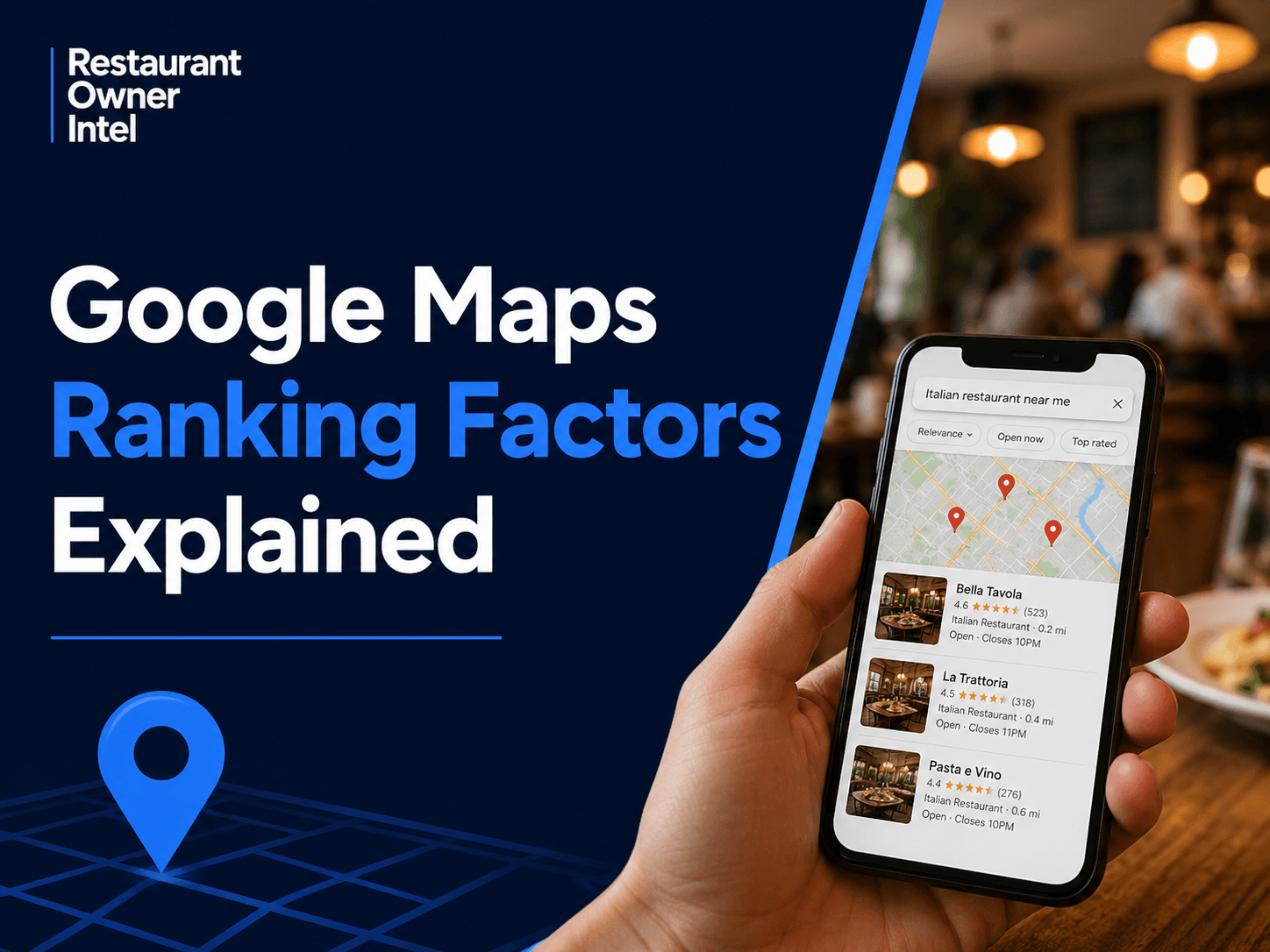
When locals search for places to eat on Google, great visibility on Google Maps can mean the difference between a packed dining room and empty tables.
Relevance, distance, and prominence shape how and where your restaurant appears in search results, but there’s more control than many owners realise.
Ensuring a complete, accurate Google Business Profile—clear categories, correct details, and enticing photos—is essential.
Consistent online presence and up-to-date reviews not only drive search ranking, they also build trust with potential guests.
Don’t treat Google Maps as just “form-filling”: every detail, from updated menus to answered reviews, influences customer decisions.
Your goal isn’t just ranking higher—it’s to convert searches into bookings.
Focus on accuracy, customer experience, and authentic feedback to make your restaurant the clear choice in local searches.
The full article breaks down the key Google Maps ranking factors and the practical changes you can make to strengthen your restaurant’s local visibility and turn more searches into customers. Read More... |
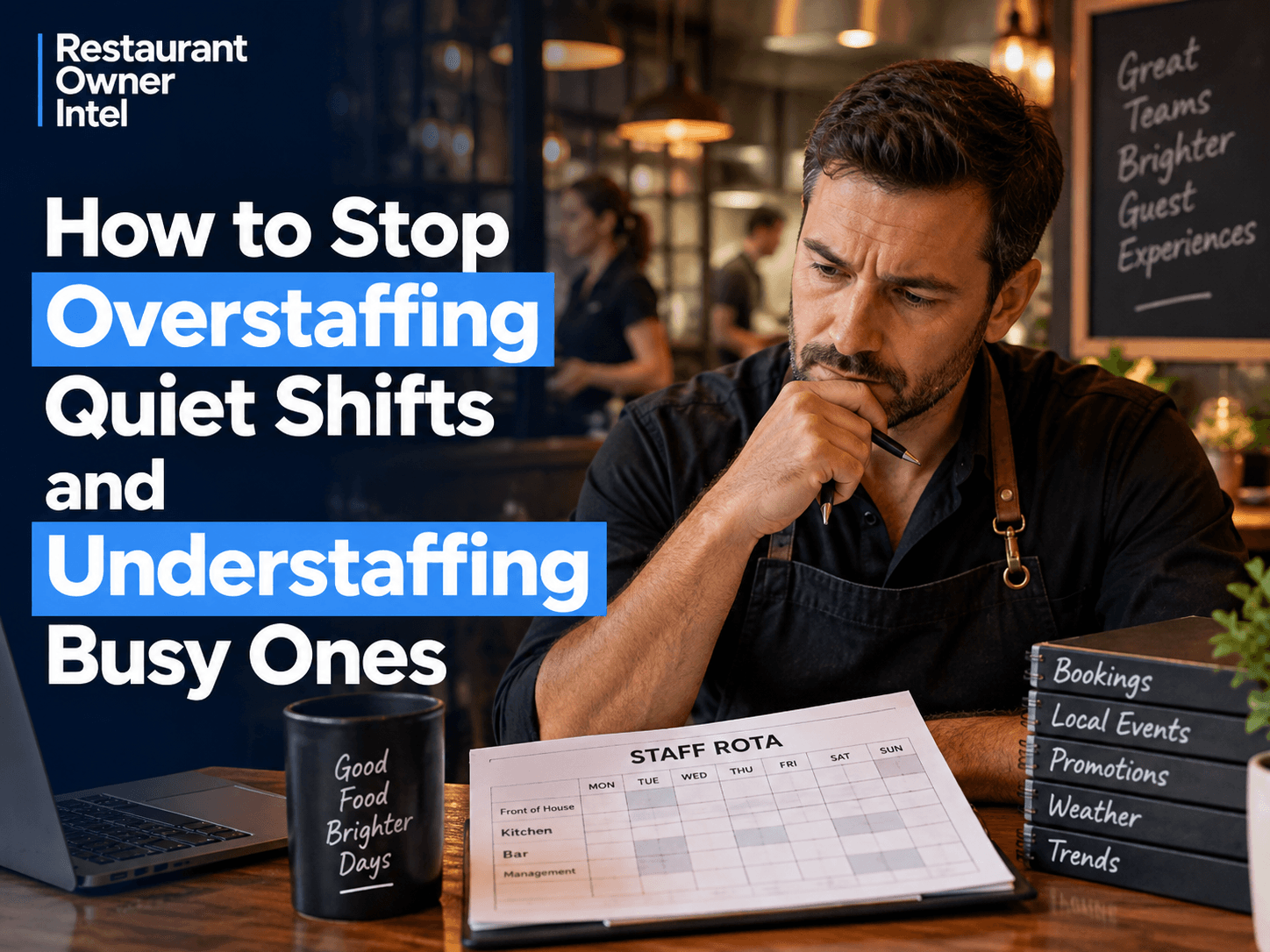
Restaurant staffing shouldn’t rely on gut feel alone.
While experience is valuable, simply scheduling based on “what usually happens” can lead to over or understaffing when certain shifts don’t follow old patterns.
Smart rota building starts by separating your baseline – what’s typical for a shift – from current demand signals that could make today busy or slow.
These signals include reservations, recent covers, local events, promotions, delivery trends, weather, and seasonal patterns.
For example, higher advance bookings, a nearby concert and an active promotion all point to increased demand, even if it’s usually a quiet night.
When multiple signals agree, adjust staffing.
If signals conflict, weigh them based on what matters most for your restaurant.
Regularly review which signals best predicted demand so you’re constantly improving.
Combine instincts with evidence for more confident staffing and stronger service.
The full article shows you how to identify and use the demand signals that can help you build smarter rotas, control labour costs and have the right number of staff when you need them. Read More... |
Recommended Resources |
Free AI Restaurant Growth Plan |
Discover exactly where your restaurant is losing customers and receive a personalised growth plan showing what to improve first. |
FICA Tip Tax Credit Guide |
Many USA restaurants could be entitled to significant FICA tip tax credits. |
Review Boost |
Generate more Google reviews and turn them into more bookings. |
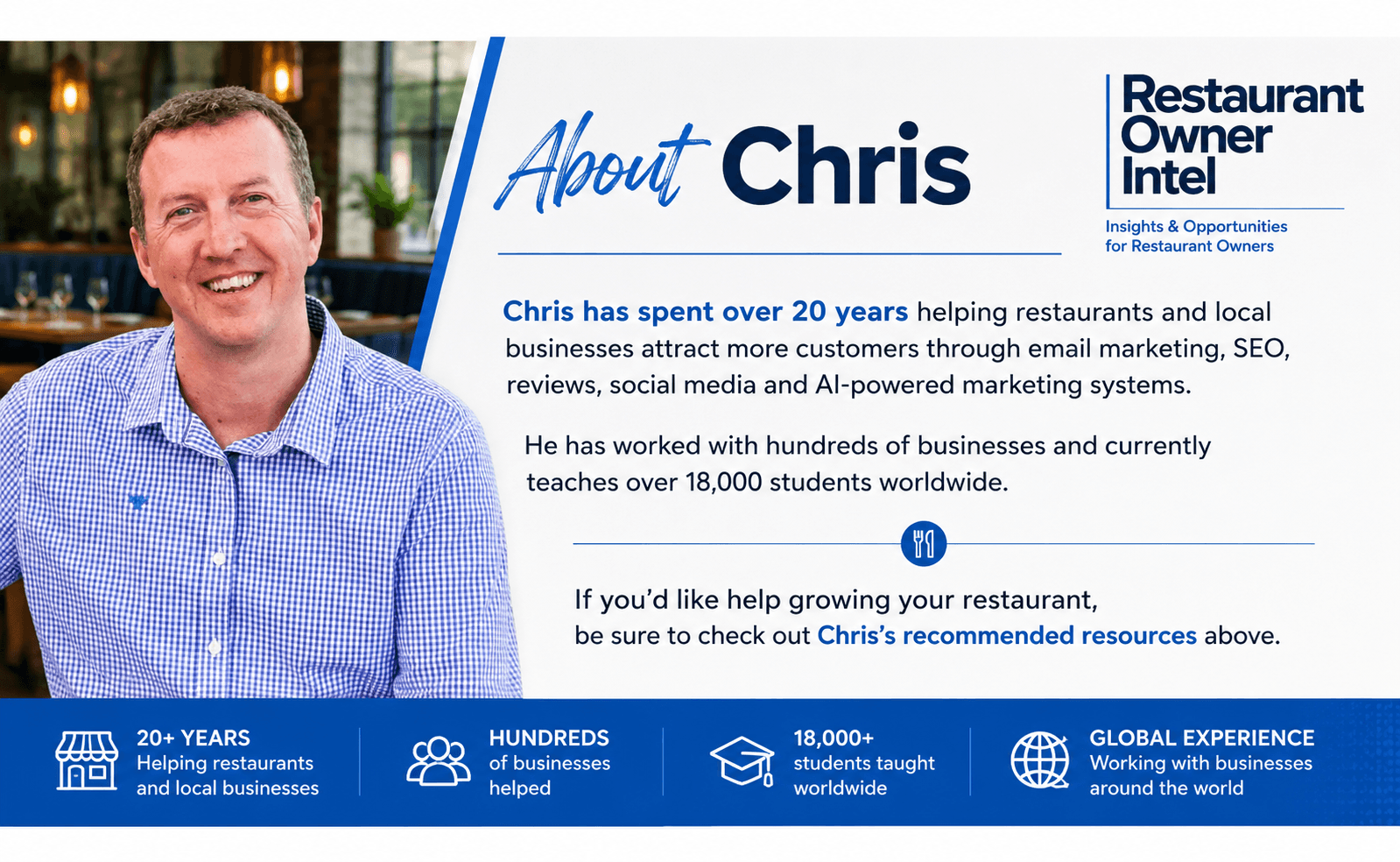
About Chris |
 |