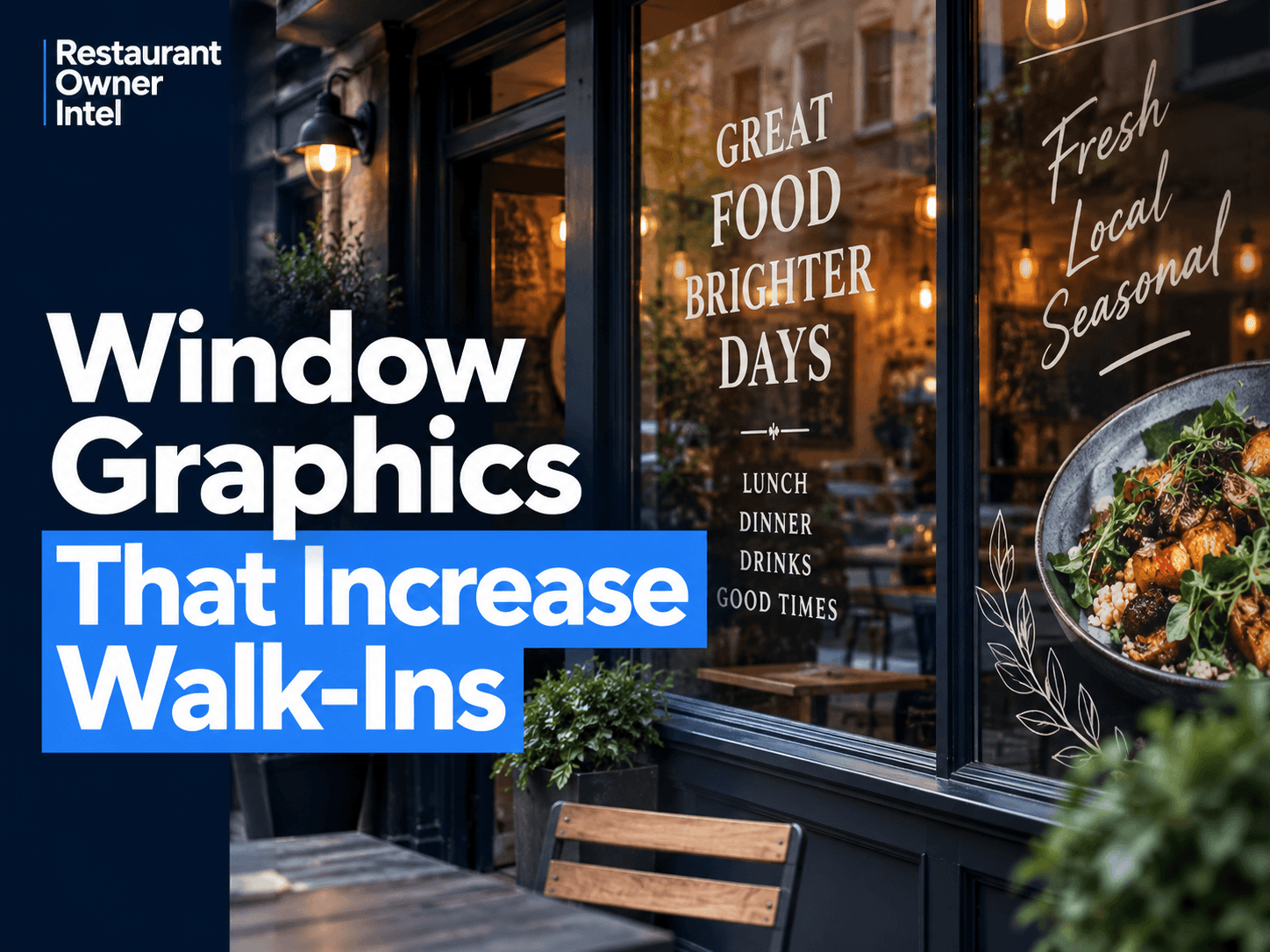
Window Graphics That Increase Walk-Ins
Discover how restaurant window graphics that increase walk-ins can attract passing customers, promote profitable offers and turn foot traffic into covers.
Every day, potential customers walk past restaurants without going inside. Sometimes they already have somewhere else in mind. Sometimes they are not hungry. But often, they simply have not been given a strong enough reason to stop. That is where window graphics that increase walk-ins can make a difference. Your windows are valuable marketing space. They are visible to people who are already outside your restaurant, often just seconds away from making a decision about where to eat. Used properly, window graphics can communicate what you sell, create appetite, answer questions and give passing customers a reason to come through the door. Used badly, they become visual clutter that people barely notice. Here is how to make your restaurant windows work harder. 1. Sell the reason to come insideOne of the biggest mistakes restaurants make with window graphics is trying to communicate too much. A passer-by does not need your entire story. They need a reason to stop. Lunch from £12 Fresh pasta made daily Happy Hour 4–6pm Sunday Roast Coffee + Pastry £6 The strongest message will depend on your restaurant and the customers passing outside it. Think commercially. What could persuade someone who was not already planning to visit you to reconsider? That message deserves the most prominent position. 2. Make your graphics readable at walking speedYour window is not a website. People are unlikely to stand outside carefully reading several paragraphs of copy. Most will see your restaurant while walking past. That means your main message needs to work quickly.
Stand across the street and look at your own windows. Can you understand the main message within two or three seconds? If not, simplify it. A beautifully designed window graphic that nobody can read quickly is not doing its job. 3. Promote specific products rather than generic claimsThere is a big difference between: Great Food. Great Atmosphere. and: Stone-Baked Pizza From £11 The first could describe hundreds of restaurants. The second gives the customer something tangible to consider. Specific messages tend to be more useful because they help customers understand what they can actually buy. A breakfast café could promote its breakfast offer. A steak restaurant could highlight its signature steak. A bakery could promote freshly baked pastries. A family restaurant could highlight a children's meal offer. Look at the products that are attractive, popular and commercially worthwhile, then consider whether your windows are helping sell them. 4. Use food photography carefullyA strong photograph can create appetite before someone has even looked at the menu. But poor food photography can have the opposite effect. If you use food imagery on your windows, choose dishes that photograph well and represent what customers will actually receive. One excellent photograph of a signature burger will usually have more impact than a collage of twelve different dishes. The same principle applies to the wording around it. Instead of surrounding the image with information, give the photograph room to work. For example: Our Signature Burger Served All Day Simple. 5. Give customers useful information before they enterSome customers hesitate because they do not know what to expect. Is the restaurant expensive? Do they serve lunch? Can I get coffee here? Is there a vegetarian option? Do I need a reservation? Are they open? Good window graphics can remove some of that uncertainty. Displaying useful information such as a lunch price, key menu category or opening message can make entering the restaurant feel like an easier decision. This is particularly important in areas with heavy tourist traffic or where customers have several restaurants to choose from within a short distance. Every unanswered question creates a small amount of friction. Remove enough friction and you may increase the number of people who walk through the door. 6. Change the message with the daypartThe reason someone walks past your restaurant at 8am may be completely different from the reason they walk past at 6pm. Your marketing should reflect that. A restaurant serving several dayparts might promote: Morning: Coffee and breakfast Lunch: Fast lunch offer Afternoon: Coffee, desserts or happy hour Evening: Dinner, cocktails or a signature dish You do not necessarily need to replace permanent window graphics throughout the day. A well-positioned pavement sign, digital display or interchangeable window poster can support your permanent branding with a more timely message. The important point is relevance. Promoting cocktails to someone looking for breakfast is wasted space. 7. Use offers without training customers to expect discountsWindow graphics can promote offers, but that does not mean every message needs to involve a discount. Constantly advertising money off can weaken your pricing and attract customers primarily interested in the cheapest deal. Instead, consider value-based offers. For example: Express Lunch — Main + Drink £15 Coffee + Freshly Baked Pastry £6 Two-Course Lunch £22 These give customers a clear price and reason to visit without simply shouting: 20% OFF The objective is not just to generate more walk-ins. It is to generate profitable walk-ins. 8. Create urgency when there is a genuine reasonPermanent graphics can explain your restaurant. Temporary graphics can give customers a reason to visit now. Examples include: Today’s Special Weekend Brunch Available Until 3pm New Autumn Menu Friday Steak Night Urgency works best when it is genuine. If the same "limited-time" promotion has been sitting in the window for six months, regular passers-by will quickly stop noticing it. Changing selected graphics also signals that the restaurant is active. 9. Do not cover the entire windowMore advertising space does not automatically mean more effective advertising. Customers often want to see inside a restaurant. They want to see the atmosphere, the tables, the lighting and, importantly, other customers. A busy, attractive dining room can be one of your strongest pieces of marketing. Cover every window with posters and you may remove that advantage. Use window graphics to frame the experience rather than hide it. Ask yourself: Does this graphic make someone more curious about what is inside, or does it block their view of it? 10. Keep tired graphics out of your windowsFaded posters, peeling vinyl, outdated promotions and handwritten amendments all communicate something about the restaurant. Unfortunately, it is rarely positive. Customers form opinions before they enter. If the exterior looks neglected, some will reasonably wonder whether that lack of attention continues inside. Make window graphics part of your regular exterior check. When you inspect your entrance, look for:
Removing something can sometimes improve the window more than adding another graphic. 11. Connect the window to what happens insideYour window marketing should match the experience customers find after entering. If your window promotes an £18 lunch offer, staff should know about it. If you advertise a signature dish, it should be available. If the exterior suggests a premium experience, the menu, greeting and dining room should support that expectation. Window graphics may generate the first decision. The restaurant still has to deliver the second: whether that customer wants to return. The 10-second restaurant window testWalk outside your restaurant and approach it as if you had never visited before. Give yourself ten seconds. Then answer these questions:
If several answers are no, your windows may be attracting less attention than the location deserves. Measure whether your window graphics increase walk-insDo not assume a new graphic works simply because it looks better. Test it. Choose one clear message and run it for a defined period. If possible, compare walk-in numbers or sales of the promoted item against a similar previous period. You could also give the promotion a specific identifier that makes it easier for staff to track. For example, if you introduce an Express Lunch — £15 window graphic, monitor lunchtime covers and sales of that offer for the next four weeks. You are looking for evidence that changing the message changed customer behaviour. That turns your restaurant window from decoration into a measurable marketing channel. Your restaurant already has the advertising spaceRestaurant owners often spend money trying to reach local customers through social media, paid advertising and promotions. Meanwhile, one of their most visible marketing assets is sitting directly outside the restaurant. Your windows will not persuade everyone walking past to come inside. They do not need to. If a clearer message converts a few more passers-by each day, those additional covers can add up over a month and across a year. This week, stand outside your restaurant and take the 10-second window test. If you cannot immediately see one strong reason to walk through the door, choose one commercially valuable message and make it clearer. That is where better window graphics should start. |
Restaurant Owner Resource |
Free AI Restaurant Growth Plan |
Curious what growth opportunities your restaurant might be missing? Our free AI-powered Growth Plan analyses your restaurant's online presence, marketing and growth goals to identify opportunities you may not have considered.
|
Oct 19, 2026
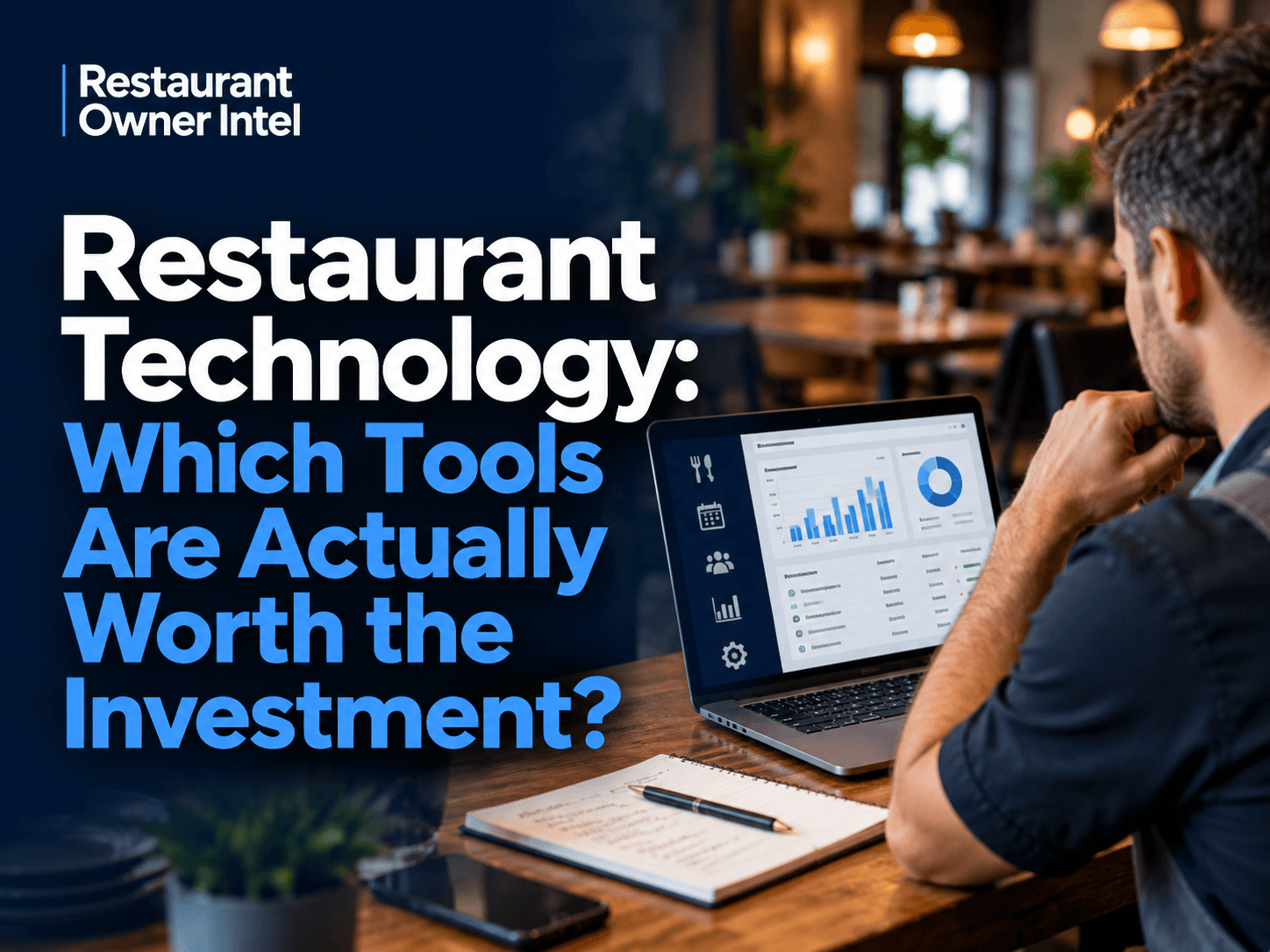
Restaurant Technology: Which Tools Are Actually Worth the Investment?
From POS systems and booking software to AI and staff scheduling, here's how to choose restaurant technology that earns its place in your budget, protects your margins and makes running your business easier.
Oct 18, 2026
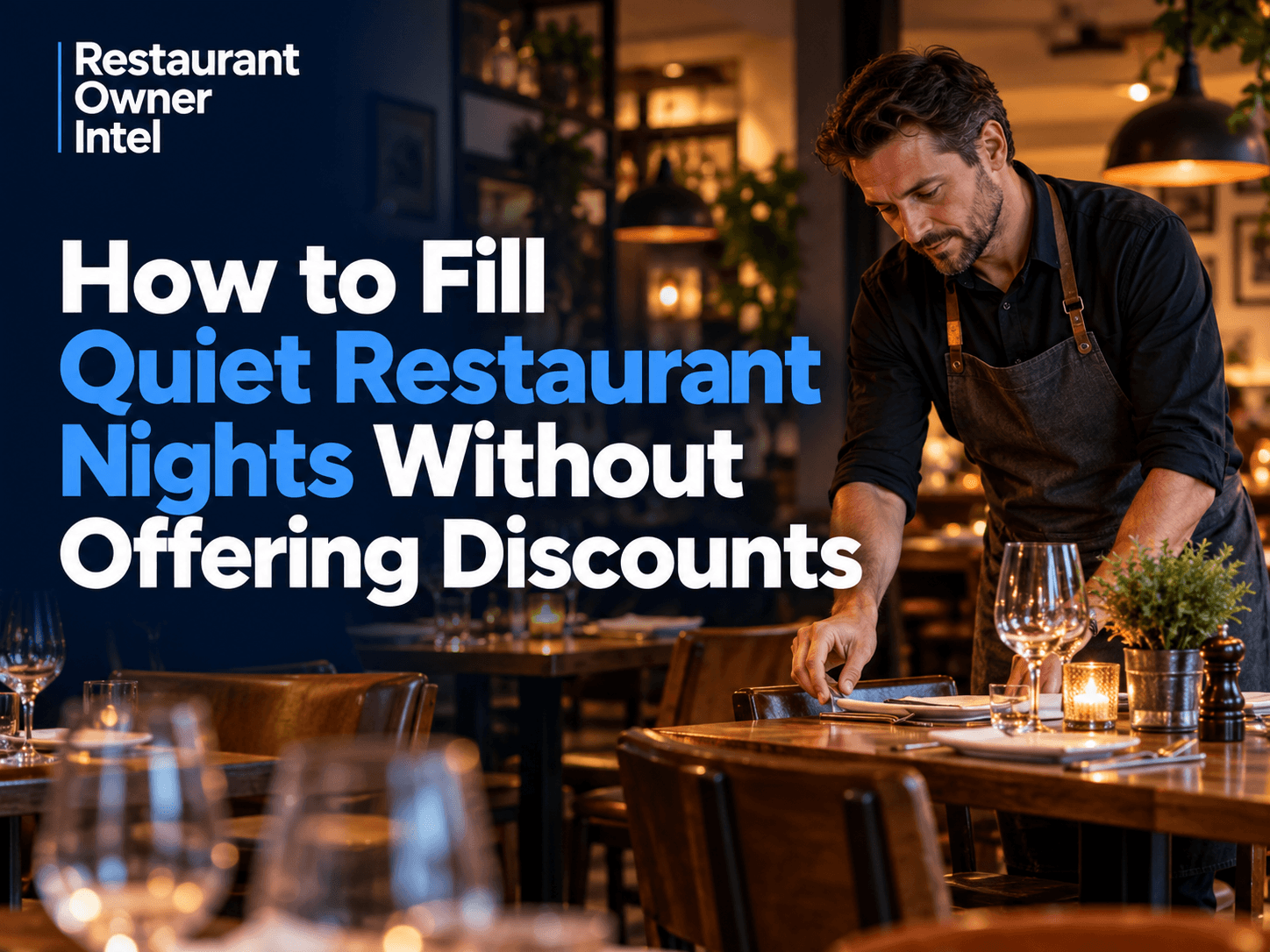
How to Fill Quiet Restaurant Nights Without Offering Discounts
Empty tables on a Tuesday or Wednesday can be expensive. But cutting prices isn't the only way to bring customers through the door. These practical restaurant marketing ideas can help you increase midweek bookings, give diners a reason to visit and protect your profit margins.
Oct 18, 2026
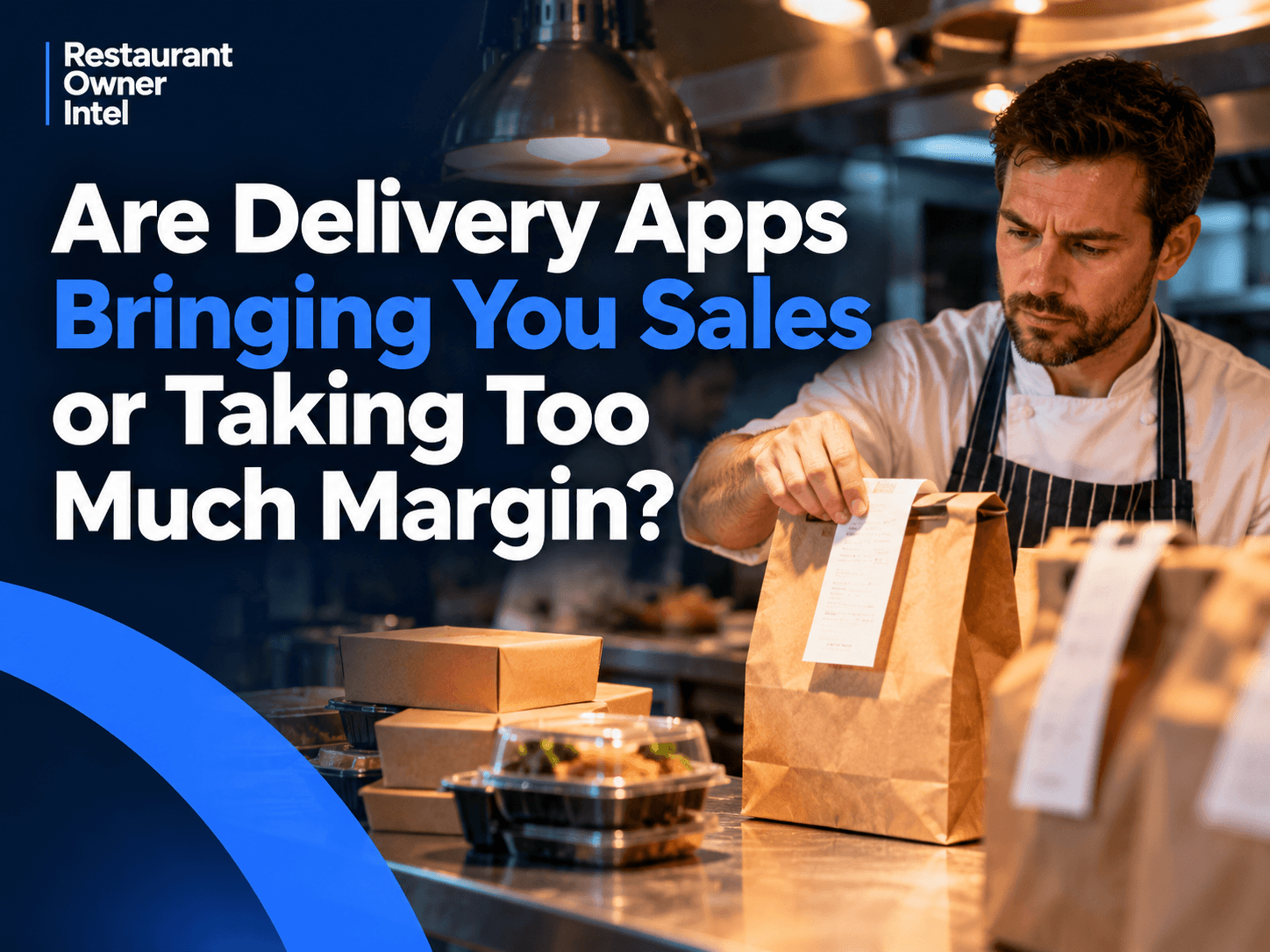
Are Delivery Apps Bringing You Sales or Taking Too Much Margin?
Delivery apps can keep your kitchen busy and your sales figures climbing. But how much of that money are you actually keeping? Here's how to uncover the real cost of restaurant delivery apps, protect your profit margins and make every order work harder for your business.
Oct 17, 2026
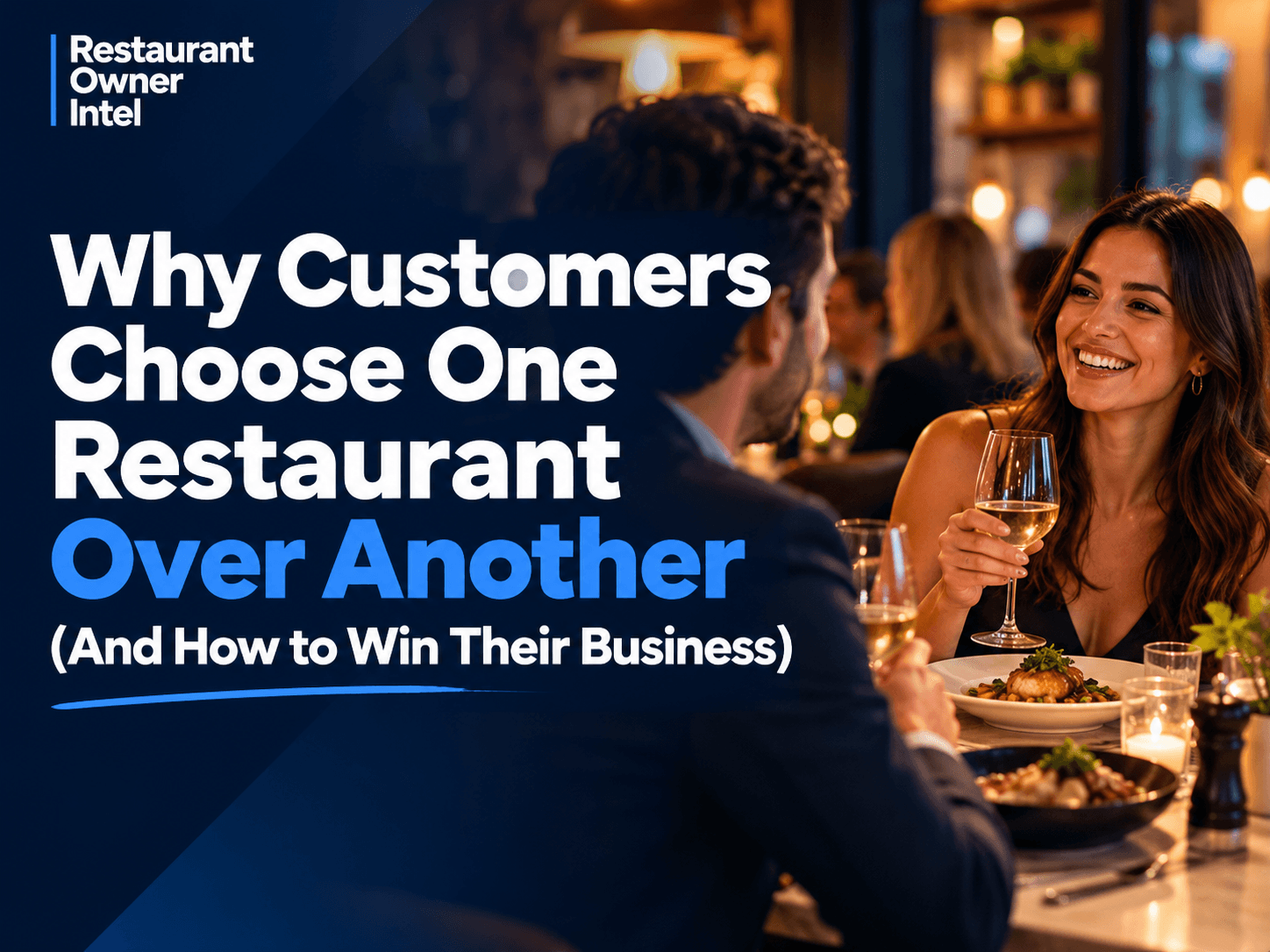
Why Customers Choose One Restaurant Over Another (And How to Win Their Business)
Why Customers Choose One Restaurant Over Another comes down to more than food and price. Understanding the psychology behind dining decisions can help your restaurant attract more customers, win bookings and build repeat business.
0 Comments
Join the conversation
Be the first to comment
Share your thoughts above.