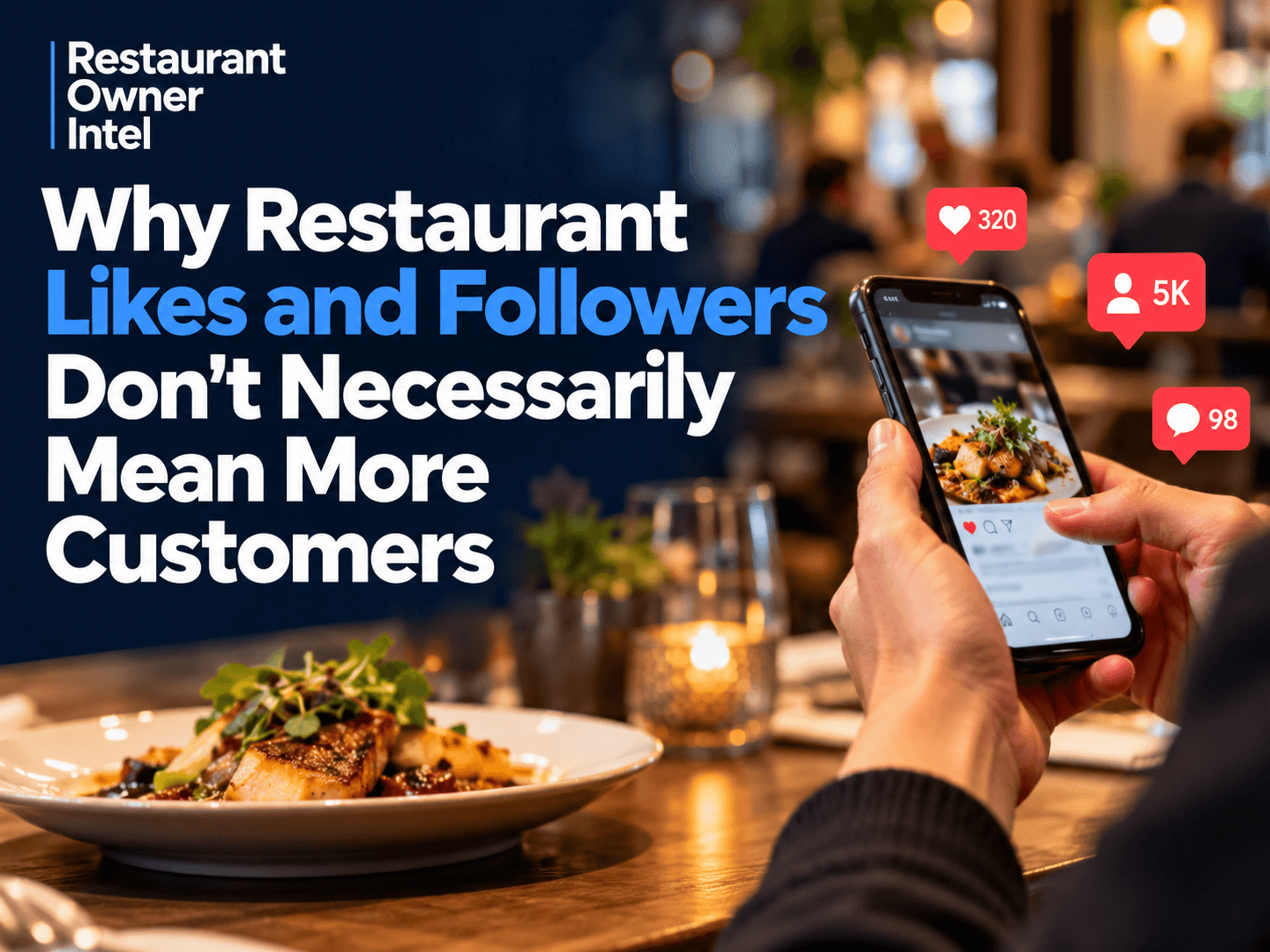
Why Restaurant Likes and Followers Don't Necessarily Mean More Customers
Why restaurant likes and followers don't necessarily mean more customers, and how to turn social media engagement into bookings and repeat visits.
Your latest Instagram post gets 200 likes. Your Facebook page has 5,000 followers. Customers regularly comment on your food photos, and your social media numbers appear to be moving in the right direction. But there's one problem. Your restaurant isn't getting noticeably busier. This is where restaurant social media marketing can become misleading. Likes, followers and views can make your marketing look successful without necessarily contributing much to your revenue. Understanding why restaurant likes and followers don't necessarily mean more customers is important if you're spending valuable time creating content, running promotions or paying someone to manage your social media. The real question isn't how popular your restaurant looks online. It's whether that popularity is helping put paying customers through your doors. The Difference Between Social Media Attention and Restaurant RevenueSocial media platforms are designed to encourage engagement. They reward content that attracts likes, comments, shares and views. These interactions help posts reach more people, but they don't automatically indicate that someone intends to visit your restaurant. Consider two restaurants. Restaurant A has 8,000 Instagram followers. Its food photos regularly attract hundreds of likes, but the owner has no clear idea whether those posts generate bookings. Restaurant B has just 1,200 followers. Its posts receive fewer likes, but regularly encourage local customers to book tables, enquire about private dining and return for special events. Restaurant B may be getting considerably more commercial value from its social media activity, despite having a much smaller audience. The difference is simple. One restaurant is measuring attention. The other is encouraging customer action. Neither follower count nor engagement alone tells you how much revenue social media is producing. 1. Your Followers Might Not Be Potential CustomersA restaurant can attract followers from almost anywhere. Someone might follow your account because they like your food photography, saw a viral video or entered a competition. They may live hundreds of miles away. They might never visit your town, let alone your restaurant. For an independent restaurant, this creates a significant distinction between having a large audience and having a commercially useful audience. A restaurant with 2,000 genuinely interested local followers could have a more valuable audience than one with 15,000 followers scattered across different countries. What to do differentlyFocus on attracting people who could realistically become customers.
Don't judge audience growth purely by the number of new followers. Consider whether you're reaching people who can actually spend money in your restaurant. 2. A Like Doesn't Mean Someone Is Ready to BookThink about how people use Instagram or Facebook. Someone sees an attractive photograph of a burger, taps the like button and continues scrolling. That interaction takes seconds. It doesn't necessarily mean they're hungry, looking for somewhere to eat or planning a restaurant visit. This is one reason why restaurant social media engagement can create a false impression of demand. A post might perform extremely well because it looks appealing or entertaining, without influencing a single dining decision. The solution is to give customers a reason to act. Instead of simply posting a photograph of your Sunday roast, explain what makes it worth booking. For example: "Sunday lunch is looking good this weekend. Slow-roasted beef, homemade Yorkshire puddings and all the trimmings. Book your table through the link in our profile." The photograph attracts attention. The message gives people a reason to consider visiting. The booking instruction makes the next step clear. Not every social media post needs to sell something. Building familiarity and trust also matters. But if none of your content encourages customer action, you're leaving potential bookings to chance. 3. Your Social Media Content Might Be Entertaining the Wrong AudienceRestaurants can generate impressive engagement with content that has little connection to why customers choose somewhere to eat. Funny videos, staff challenges, trending audio and humorous posts can attract substantial attention. There's nothing inherently wrong with this content. It can show personality and make your restaurant more memorable. The problem arises when entertainment becomes the main objective and the restaurant itself becomes secondary. People may remember the joke without remembering where it came from. Or they may enjoy watching your videos without developing any stronger interest in visiting. A better approach is to connect engaging content to the dining experience. Show your chefs preparing a popular dish. Introduce the people behind your restaurant. Explain what makes a particular menu item special. Share the atmosphere during a busy Friday evening. Highlight a customer favourite. This gives people something entertaining or interesting to watch while reinforcing why they might want to visit. Your content should help potential customers imagine themselves eating at your restaurant. 4. You're Not Making It Easy for Followers to Become CustomersEven when someone is interested in visiting your restaurant, your social media presence can create unnecessary obstacles. Imagine a potential customer sees your latest post and decides to book a table. They visit your Instagram profile. There's no booking link. Your website isn't clearly displayed. Your opening hours are difficult to find. They have to search elsewhere to discover how to reserve a table. Some customers will make the effort. Others may simply move on. This is a missed opportunity because the marketing has already done the difficult part: generating interest. Make the next step obvious. Check that your social media profiles provide:
Review your profiles from the perspective of someone who has never visited your restaurant. Can they find the information they need within a few seconds? If not, make it easier. 5. You're Measuring the Wrong Social Media NumbersLikes and followers are easy to see. That makes them tempting numbers to focus on. But they don't provide a complete picture of how your restaurant's social media marketing is performing. For independent restaurant owners, the more useful measurements are often the ones connected to genuine customer interest.
Not every website click becomes a booking, and not every booking can be directly attributed to social media. But tracking customer actions gives you a clearer picture than counting likes alone. A simple exampleSuppose you publish two Instagram posts. The first receives 300 likes but generates very little interest in your booking link. The second receives 45 likes and leads to 12 booking link clicks, with three customers subsequently making reservations that you can identify. The second post has produced a more measurable commercial result. That doesn't mean the first post was worthless. It may have helped build awareness. But the second provides stronger evidence that your content influenced customer behaviour. 6. Social Media Popularity Doesn't Guarantee Repeat BusinessGetting someone to visit your restaurant once is valuable. Getting them to return regularly can be considerably more valuable. Yet restaurant social media strategies often focus heavily on attracting new followers rather than strengthening relationships with existing customers. This can lead to a constant cycle of trying to reach new people while overlooking customers who already know and enjoy your restaurant. Consider a customer who visits your restaurant for the first time after seeing an Instagram post. They have a good experience. Then they leave. If you make no effort to encourage another visit, you're relying on that customer remembering your restaurant when they next decide where to eat. Social media can help keep your business familiar, but it shouldn't be your only method of maintaining customer relationships. Build a simple repeat-visit system. Encourage customers to join your email list, with appropriate consent. Use email to share relevant events, new menus, seasonal specials and reasons to return. Make sure the experience inside your restaurant lives up to the expectations created online. A customer who enjoys their visit and has a reason to come back is more valuable than a follower who never books. 7. Chasing Followers Can Waste Your Marketing BudgetGrowing your social media audience can feel like progress. But paying to attract followers isn't necessarily the best use of a limited restaurant marketing budget. For example, imagine spending £150 promoting a post primarily to gain new Instagram followers. The campaign generates 200 followers. That works out at 75p per follower. But what have you actually bought? If those followers never visit your restaurant, the commercial return is unclear. Now imagine using that same budget to promote a specific midweek dining offer to a relevant local audience, with a clear booking link. You can measure how much interest the promotion generates and track identifiable bookings. This doesn't guarantee the second campaign will be profitable. However, it gives you a clearer business objective and a better opportunity to assess the result. Before spending money on social media, ask three questions:
If you can't answer those questions, reconsider the campaign before spending money. How to Turn Restaurant Social Media Followers Into Paying CustomersThe solution isn't to stop caring about social media engagement. Likes, comments and shares can help your restaurant reach more people and build familiarity. The important change is to connect that attention to actions that benefit your business. Here are five practical improvements. 1. Give Every Promotional Post a Clear PurposeBefore publishing, decide what you want the post to achieve. Are you promoting Sunday lunch? Trying to fill quieter weekday tables? Encouraging private dining enquiries? Introducing a new menu? A post with a specific purpose is easier to evaluate than one published simply to maintain activity. 2. Show Customers What They're MissingFood photographs are useful, but the overall dining experience matters too. Show the atmosphere, service, people and occasions that make your restaurant worth visiting. A short video showing a lively dining room, attractive dishes and friendly service can communicate something a static menu photograph cannot. Help people picture the experience they'll receive. 3. Promote Reasons to Visit NowGive potential customers timely reasons to make a decision. These might include a new seasonal menu, a special dining evening, a limited-time dish or an upcoming local event. Avoid creating artificial urgency. Instead, communicate genuine opportunities that customers might otherwise miss. 4. Make Booking or Ordering SimpleA strong post loses value when the next step is difficult. Check your links regularly. Make sure your booking system works properly on mobile devices. Where relevant, direct customers to the specific menu, event or ordering page mentioned in the post. Reduce the number of steps between interest and action. 5. Track Results Over TimeKeep a simple record of your promotional activity. You don't need complicated software. A spreadsheet can be enough. Record the date, the offer or message, the action you wanted customers to take and the results you can identify. Where practical, use trackable links, dedicated booking references or a simple question during reservations: "How did you hear about us?" Compare results over several weeks rather than judging everything from one post. You'll begin to see which messages are worth repeating and which are consuming time without producing useful outcomes. A Quick Social Media Audit for Restaurant OwnersTake ten minutes to review your restaurant's social media activity.
If you cannot confidently answer several of these questions, there's an opportunity to make your social media marketing more commercially effective. You may not need more followers. You may simply need to make better use of the audience you already have. The Bottom Line: Followers Are Not the Same as CustomersA strong social media presence can be valuable for an independent restaurant. It can introduce your business to new customers, build trust, showcase your food and keep your restaurant in people's minds. But online popularity and business performance are not the same thing. A restaurant with 10,000 followers isn't automatically more successful than one with 1,000. What matters is whether your social media activity is helping attract customers, generate bookings, encourage repeat visits and support profitable sales. Your next step: Look at your last ten social media posts. Identify which ones encouraged a meaningful customer action and which simply generated engagement. Then make one change to your next post: give people a clear, compelling reason to visit your restaurant and make it easy for them to act. Because the real value of restaurant social media isn't how many people like your content. It's how effectively that attention helps you build a stronger restaurant business. |
Restaurant Owner Resource |
Free AI Restaurant Growth Plan |
Curious what growth opportunities your restaurant might be missing? Our free AI-powered Growth Plan analyses your restaurant's online presence, marketing and growth goals to identify opportunities you may not have considered.
|
Oct 18, 2026
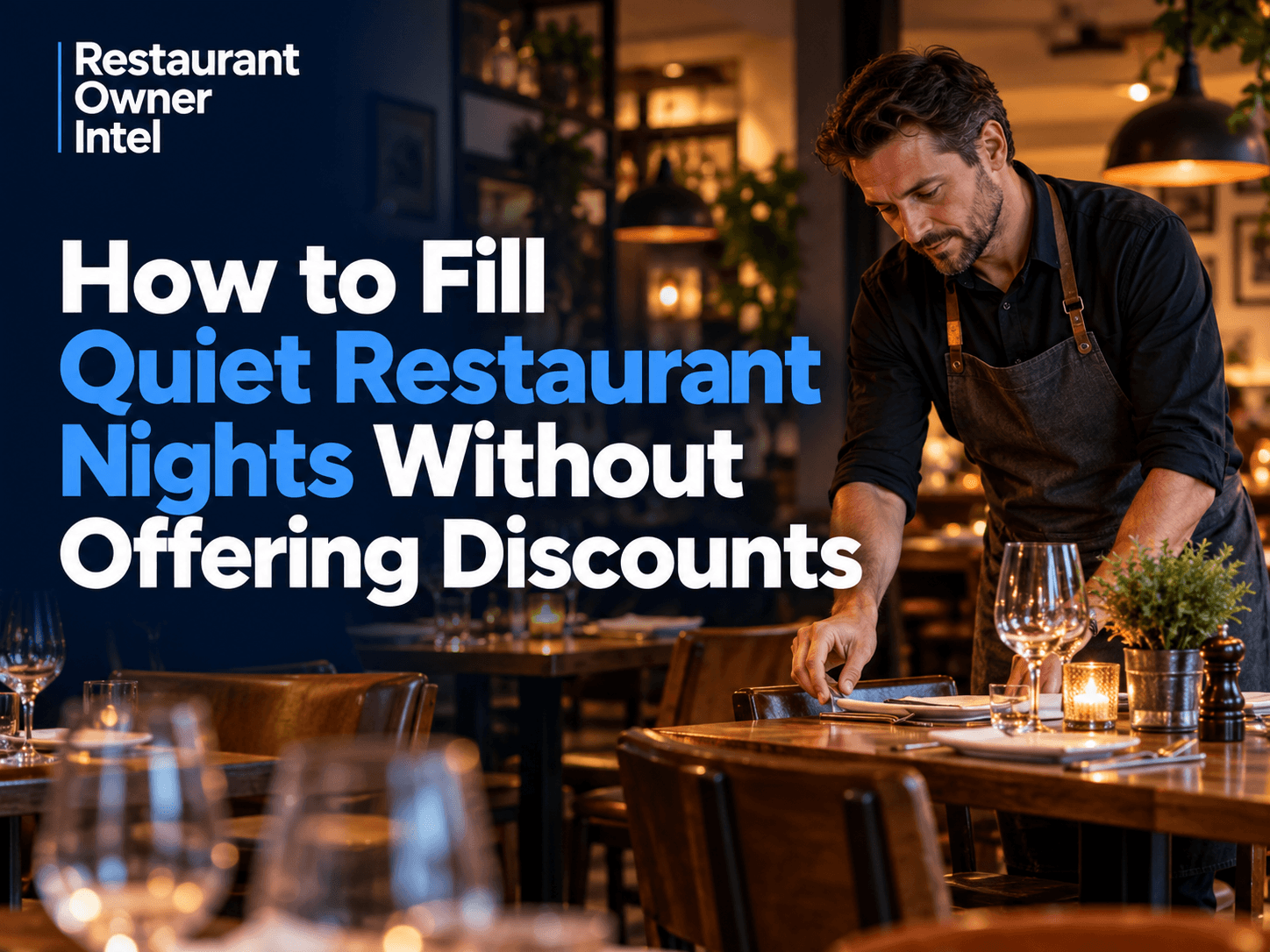
How to Fill Quiet Restaurant Nights Without Offering Discounts
Empty tables on a Tuesday or Wednesday can be expensive. But cutting prices isn't the only way to bring customers through the door. These practical restaurant marketing ideas can help you increase midweek bookings, give diners a reason to visit and protect your profit margins.
Oct 18, 2026
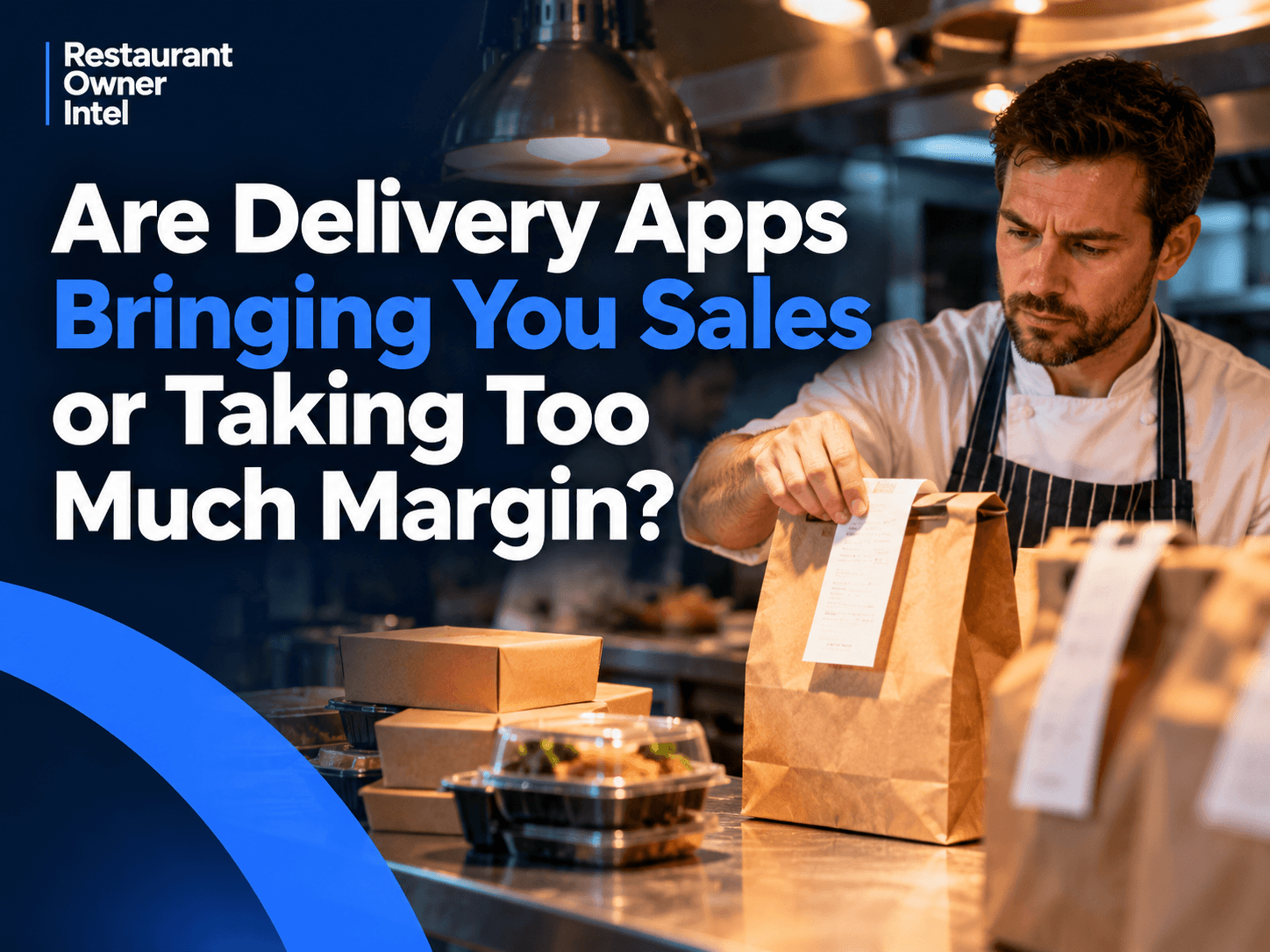
Are Delivery Apps Bringing You Sales or Taking Too Much Margin?
Delivery apps can keep your kitchen busy and your sales figures climbing. But how much of that money are you actually keeping? Here's how to uncover the real cost of restaurant delivery apps, protect your profit margins and make every order work harder for your business.
Oct 17, 2026
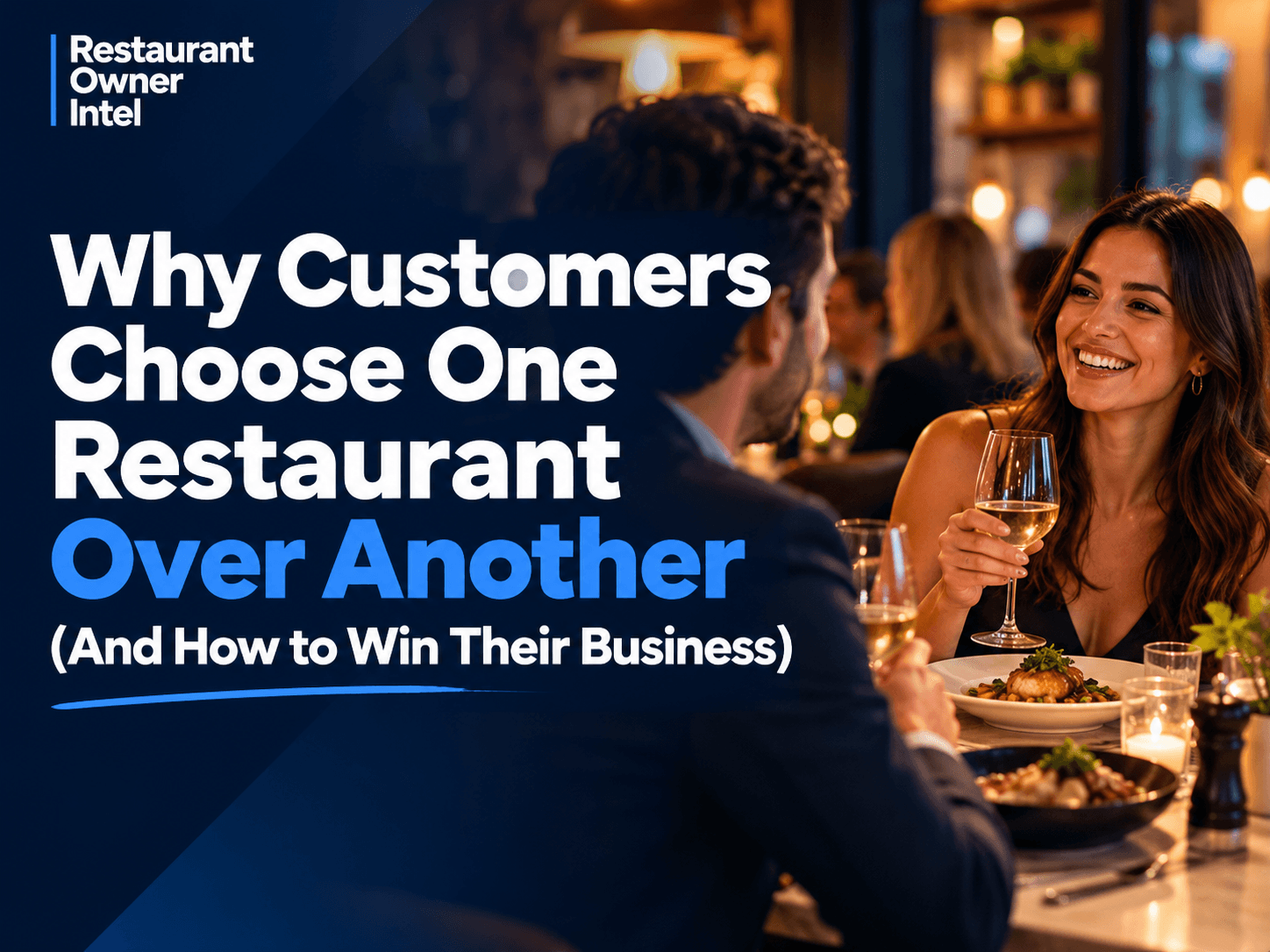
Why Customers Choose One Restaurant Over Another (And How to Win Their Business)
Why Customers Choose One Restaurant Over Another comes down to more than food and price. Understanding the psychology behind dining decisions can help your restaurant attract more customers, win bookings and build repeat business.
Oct 16, 2026
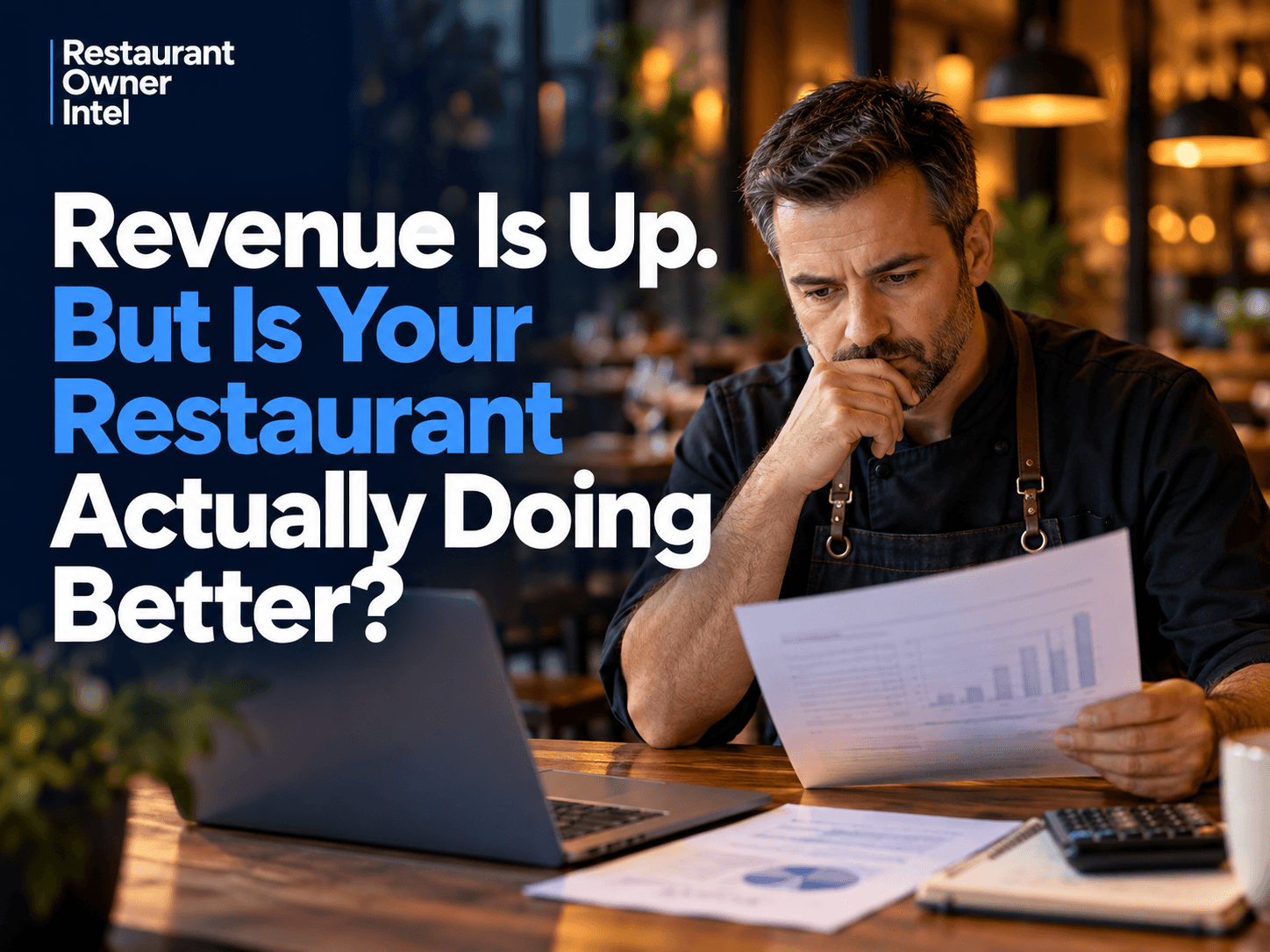
Revenue Is Up. But Is Your Restaurant Actually Doing Better?
Higher sales can create the impression of a healthier restaurant business. But unless customer numbers, operating costs and profit margins are improving too, revenue growth may be hiding a very different story.
0 Comments
Join the conversation
Be the first to comment
Share your thoughts above.