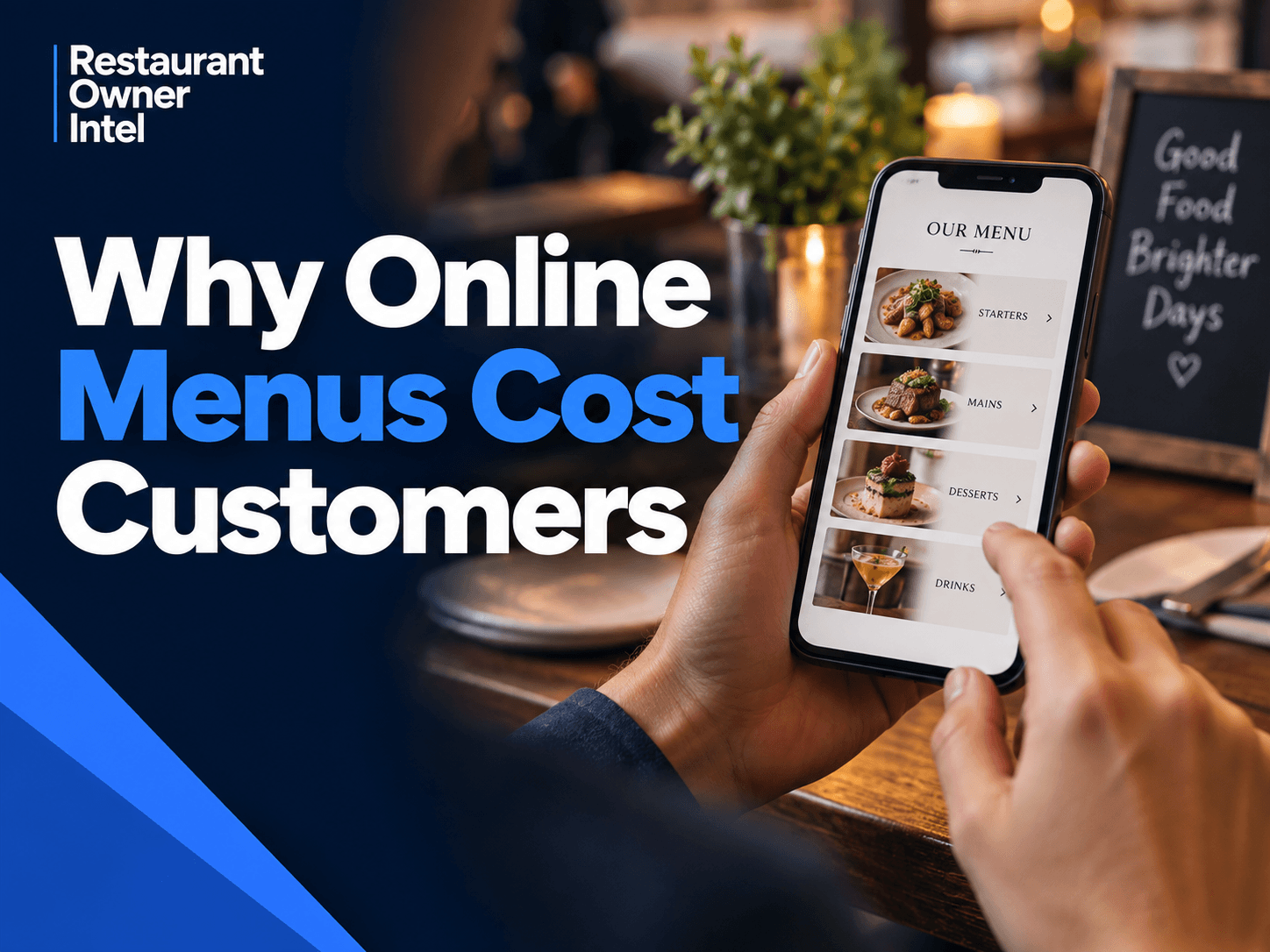
Why Online Menus Cost Customers - And How Restaurants Can Fix Them
Discover why online menus cost customers and how a clearer, mobile-friendly restaurant menu can increase bookings, improve customer experience and encourage higher spend.
A potential customer finds your restaurant on Google. They like the photos. The reviews look good. The location works. Then they open your menu. The text is tiny. They have to download a PDF. Prices are difficult to find. The menu takes too long to load. Or the dishes simply do not sound particularly appealing. So they go back to Google and look at the next restaurant. This is why online menus cost customers when they are treated as something restaurants simply need to have rather than an important part of the customer journey. Your online menu is often viewed before a customer ever walks through your door. It needs to sell the visit. Your Menu Is Part of the Buying DecisionThink about how people choose restaurants today. They may discover you through Google, Instagram, a recommendation or a review site. Once interested, one of their next actions is often to look at the menu. They want answers. Do I like the food? Can I afford it? Is there something everyone in my group will eat? Does this restaurant look worth visiting? Your menu helps them make that decision. The problem is that many restaurants put considerable effort into attracting attention and then make the final decision unnecessarily difficult. You can spend money on advertising, post regularly on social media and work hard to generate strong reviews. But if customers reach your online menu and lose interest, some of that work has been wasted. Why Online Menus Cost Customers: FrictionEvery unnecessary step creates friction. Imagine someone looking for somewhere to eat on their phone. Restaurant A has a clear mobile menu. Categories are obvious, dishes are easy to scan, prices are visible and the food sounds appealing. Restaurant B has a button saying Download Menu PDF. The PDF opens in another window. The customer pinches the screen to enlarge it, moves left and right to read descriptions and struggles to find the section they want. Which restaurant has made the decision easier? This does not mean every customer will abandon a PDF menu. It means Restaurant B has created an obstacle that Restaurant A has removed. When customers have several restaurants to choose from, small obstacles matter. 1. Your Menu Is Difficult to Read on a PhoneOpen your restaurant menu on your own phone. Not the computer you use in the office. Your phone. Can you comfortably read everything without zooming? Can you move between starters, mains, desserts and drinks quickly? Can you immediately understand what you sell and what it costs? If not, you have a problem. A menu designed for an A4 sheet of paper does not automatically become a good mobile menu simply because you upload it to your website. Your online menu should be designed for the screen customers are actually using. 2. You Make Customers Download a PDFPDF menus are common because they are convenient for the restaurant. Update the document. Upload the new version. Job done. But what is convenient operationally is not always convenient for the customer. A PDF can add an unnecessary step between interest and decision. It may also be awkward to navigate on smaller screens. Where possible, give customers a menu they can read directly on your website. If you still want to provide a downloadable PDF, offer it as an additional option rather than making it the only way to see what you serve. 3. Your Menu Descriptions Do Not Sell the FoodThere is a major difference between listing ingredients and creating appetite. Consider: Chicken Burger — £14 versus: Crispy buttermilk chicken, smoked bacon, melted cheddar, house slaw and chilli mayo — £14 Both may describe essentially the same product. But one gives the customer considerably more reason to want it. Your online menu is being viewed by someone deciding whether your restaurant is worth their time and money. Descriptions should help them imagine the meal. That does not mean filling the menu with exaggerated language. It means making your strongest dishes sound as good as they actually are. 4. Your Best Dishes Are BuriedNot every menu item contributes equally to your restaurant. Some dishes are particularly popular. Some generate stronger margins. Some are distinctive enough to give customers a reason to choose you instead of a competitor. Yet online menus frequently give every item exactly the same visual importance. Look at your menu commercially. What do you most want customers to notice? If you have a signature dish that customers regularly mention in reviews, make it easy to find. If a particular main course sells well and produces a healthy margin, do not hide it halfway down a long list. Good menu design does more than present choices. It guides attention. 5. There Is Too Much ChoiceMore choice can feel like better value. But a very long online menu can make the restaurant harder to understand. A customer should quickly be able to answer: What kind of restaurant is this? What are they known for? What would I order? If they are scrolling through page after page of unrelated dishes, the menu may be creating uncertainty rather than appetite. This is also worth examining operationally. A large menu can mean more ingredients, more preparation, more stock and more opportunities for waste. Your online menu audit may reveal a wider menu problem inside the restaurant. 6. The Prices or Menu Are Out of DateFew things undermine confidence faster than conflicting information. The website says one price. The menu in the restaurant says another. An old PDF is still appearing online. A dish customers were looking forward to disappeared six months ago. Your restaurant's digital information creates expectations before the customer arrives. If those expectations are immediately contradicted, you have created disappointment unnecessarily. Whenever you change your menu, treat your online channels as part of the same update. Do not wait for customers to point out the mistakes. 7. You Forget the Next StepA strong menu creates desire. What should the customer do when that happens? Book a table? Order online? Call you? Find directions? The next action should be obvious. Do not make someone read your menu, decide they want to visit and then search around your website trying to work out how to book. Place a clear booking or ordering option close to the menu. You have helped the customer reach a decision. Now make it easy to act on it. Your Online Menu Can Influence Average Spend TooThe online menu is not only about getting the booking. It can start shaping what customers want before they arrive. A customer sees your sharing plates. They notice the premium steak. The cocktail list catches their attention. They spot a dessert they want to try. By the time they arrive, some of the purchasing decision has already started. This is why menu presentation deserves more attention than simply checking whether the prices are correct. The right dishes should be easy to notice. Descriptions should create appetite. Premium choices should feel worth the additional spend. Profitable extras should not be invisible. Your menu should help customers buy, not simply document what the kitchen can produce. A Five-Minute Online Menu AuditTake out your phone and look at your restaurant as if you have never visited before. Check these points:
Then ask one final question: If I knew nothing about this restaurant, would this menu make me want to eat here? That question matters more than whether you personally like the design. Do Not Judge Your Menu From Inside the BusinessRestaurant owners see their menus differently from customers. You already know what every dish contains. You know which dishes are popular. You know how to book. You know where dietary information is located. Your customer does not. That familiarity makes it easy to miss friction. Ask someone who does not work in the restaurant to find your website on their phone, open the menu and choose what they would order. Watch what they do. Do not help them. Where do they hesitate? What do they struggle to find? Which dishes attract their attention? What questions do they ask? Ten minutes of watching a real person use your menu can reveal problems you have stopped noticing. Your Menu Has a Commercial JobYour online menu should not exist simply because every restaurant is expected to have one. It has a job. It should turn interest into appetite. It should turn appetite into a booking, visit or order. And it should help customers discover the dishes you most want to sell. A restaurant can lose potential customers through something as simple as tiny text, an awkward PDF, an uninspiring description or an unnecessary extra click. None of those problems feels particularly serious on its own. But if hundreds or thousands of potential customers view your menu over a year, small points of friction can become commercially important. Your action this week: open your online menu on your phone and complete the five-minute audit above. Find the single biggest obstacle between opening the menu and deciding to visit — and remove it. |
Restaurant Owner Resource |
Free AI Restaurant Growth Plan |
Curious what growth opportunities your restaurant might be missing? Our free AI-powered Growth Plan analyses your restaurant's online presence, marketing and growth goals to identify opportunities you may not have considered.
|
Oct 18, 2026
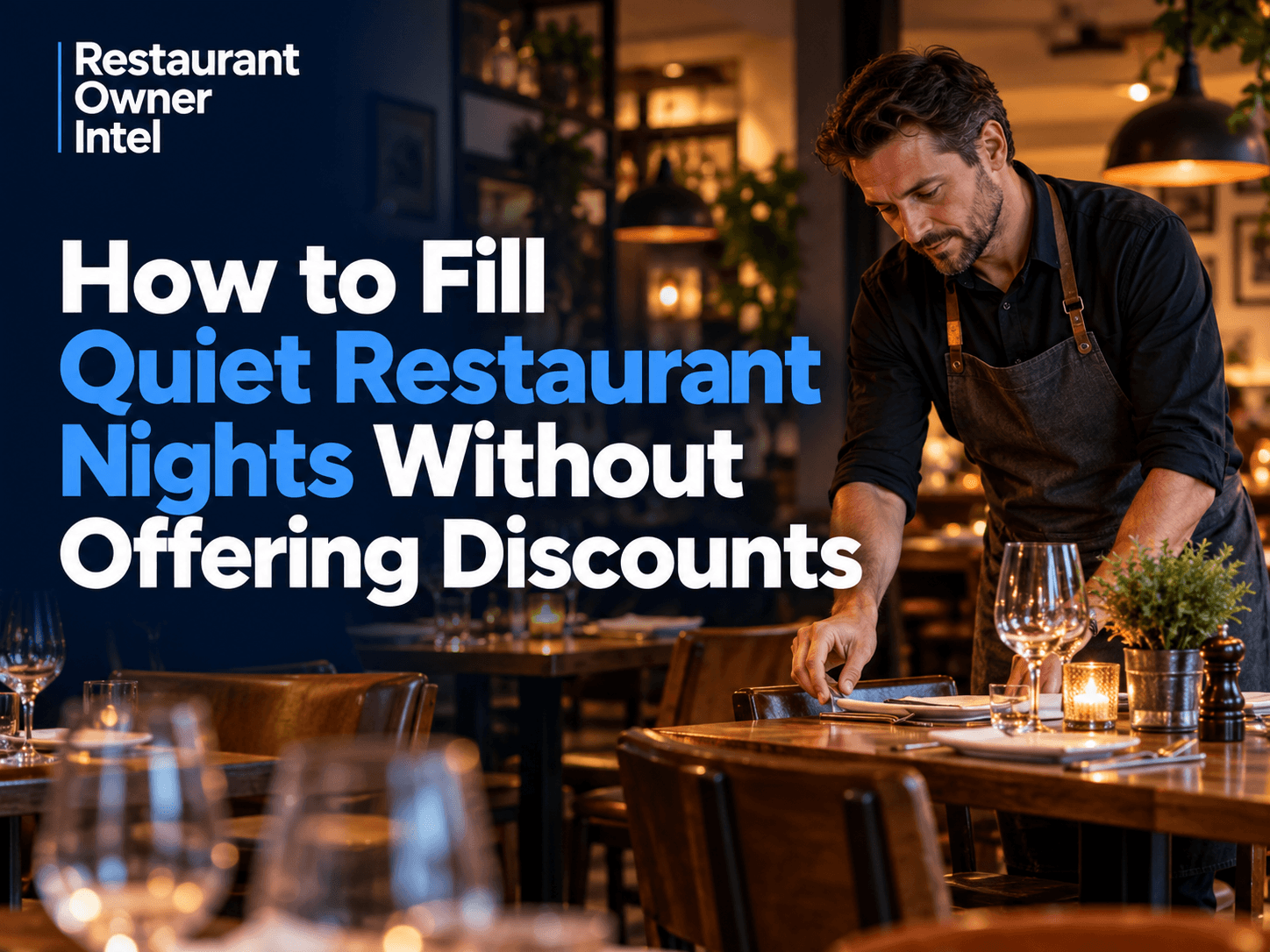
How to Fill Quiet Restaurant Nights Without Offering Discounts
Empty tables on a Tuesday or Wednesday can be expensive. But cutting prices isn't the only way to bring customers through the door. These practical restaurant marketing ideas can help you increase midweek bookings, give diners a reason to visit and protect your profit margins.
Oct 18, 2026
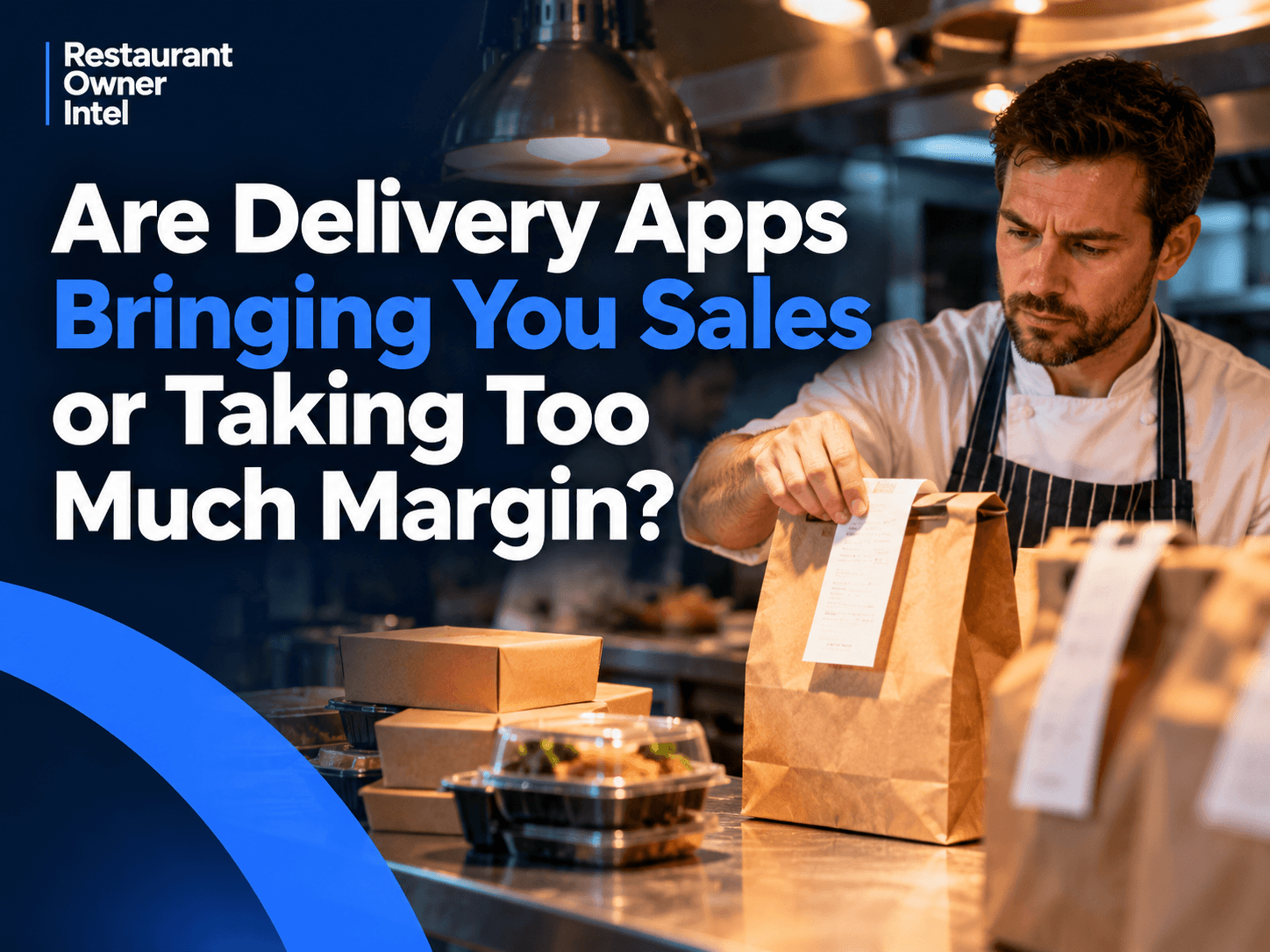
Are Delivery Apps Bringing You Sales or Taking Too Much Margin?
Delivery apps can keep your kitchen busy and your sales figures climbing. But how much of that money are you actually keeping? Here's how to uncover the real cost of restaurant delivery apps, protect your profit margins and make every order work harder for your business.
Oct 17, 2026
Why Customers Choose One Restaurant Over Another (And How to Win Their Business)
Why Customers Choose One Restaurant Over Another comes down to more than food and price. Understanding the psychology behind dining decisions can help your restaurant attract more customers, win bookings and build repeat business.
Oct 16, 2026
Revenue Is Up. But Is Your Restaurant Actually Doing Better?
Higher sales can create the impression of a healthier restaurant business. But unless customer numbers, operating costs and profit margins are improving too, revenue growth may be hiding a very different story.
0 Comments
Join the conversation
Be the first to comment
Share your thoughts above.