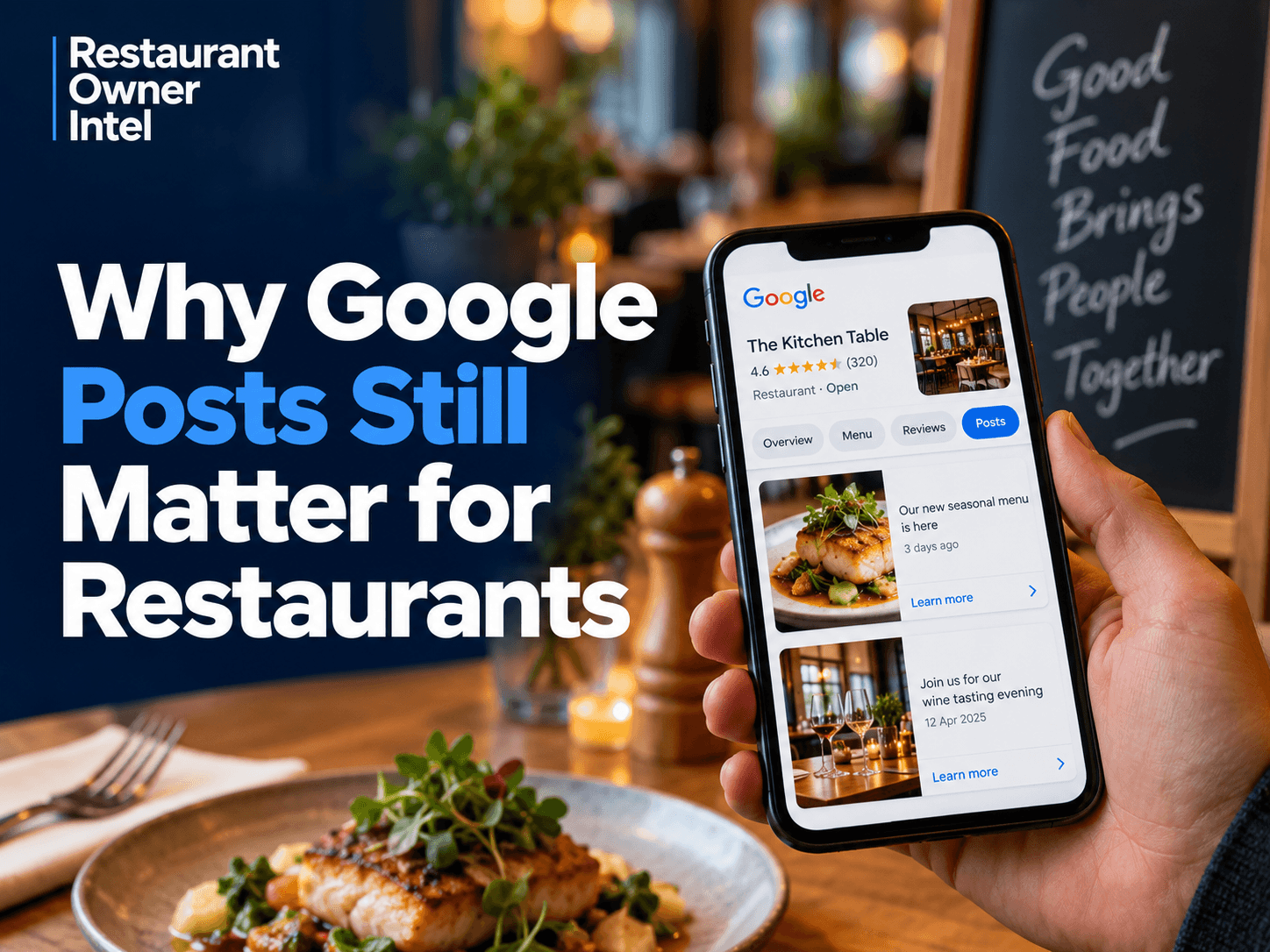
Why Google Posts Still Matter for Restaurants
Discover why Google Posts still matter for restaurants and how regular Google Business Profile updates can strengthen visibility, attract local diners and support more bookings.
You create a Facebook post. You update Instagram. You promote your weekend special. But when was the last time you posted something to your Google Business Profile? For many restaurants, Google Posts are an afterthought. The profile exists, the opening hours are correct, a few photos have been uploaded, and attention moves elsewhere. That overlooks an important point. People viewing your restaurant on Google are often much closer to making a decision than someone casually scrolling through social media. They may be searching for somewhere to eat tonight. They may be comparing you with another restaurant nearby. They may be checking your menu, reviews, opening hours, photos or location before deciding where to go. That is why Google Posts still matter. They give you another opportunity to show those potential customers what is happening at your restaurant — at the point when they may already be considering a visit. Google Is Not Just a Place to Be FoundRestaurant owners often think about Google Business Profile as a directory listing. Name. Address. Phone number. Opening hours. Reviews. Those basics matter, but your profile is also part of your restaurant's shop window. Imagine a potential customer searching for your restaurant. They see your photos, rating and basic information. They may also see recent information about a new menu, Sunday lunch, an upcoming event or another reason to visit. Compare that with a competing restaurant whose profile has little recent activity. Which restaurant feels more current? Google Posts will not rescue a poor restaurant, overcome weak reviews or replace a proper marketing strategy. But they can strengthen the information customers see while they are deciding where to spend their money. Why Google Posts Still Matter When Social Media Gets More AttentionFacebook and Instagram are useful because they allow restaurants to stay in front of customers. But there is a fundamental difference between appearing in someone's social feed and appearing when that person is actively looking at restaurants on Google. The intent can be much stronger. Someone scrolling Instagram may enjoy a photograph of your steak without having any intention of eating out. Someone searching for your restaurant, looking at your Google profile and checking your menu could be much closer to becoming a customer. That makes Google Business Profile valuable marketing space. The objective is not simply to get people to see a post. It is to help a potential customer make a decision. What Should Restaurants Post on Google?You do not need to invent a completely separate content strategy. Much of what you are already promoting elsewhere can be adapted for Google. 1. Limited-Time DishesLaunching a seasonal dish or weekend special? Post it. A strong photograph, a simple description and clear reason to visit can make your restaurant look active while giving customers something specific to consider. Instead of: “Check out our latest special!” Try: “Available this weekend: slow-cooked beef short rib with garlic mash and red wine jus. Served Friday to Sunday while available.” The second version gives the customer a reason to imagine ordering it. 2. EventsLive music, quiz nights, tasting menus, Mother's Day, Valentine's Day, Christmas bookings and other restaurant events are natural opportunities for Google Posts. These posts can be particularly useful because they answer an important customer question: Why should I visit now rather than another week? That urgency can turn general interest into a booking. 3. New MenusIf you have launched a new lunch menu, seasonal menu or set menu, tell people. Do not assume customers will discover it after clicking through several pages of your website. Put useful information closer to where the decision is being made. 4. Offers and PromotionsA promotion should have a business purpose. Perhaps you want to increase covers on Tuesday evenings. Maybe lunch has been quiet. Perhaps you want more early-evening bookings. Google Posts give you another place to communicate that offer to people already researching where to eat. The important point is to avoid discounting simply for the sake of having something to post. Use promotions to solve a specific trading problem. 5. Reasons to Choose Your RestaurantNot every post needs to sell an event or offer. Sometimes you should reinforce what makes your restaurant worth choosing. That might include your Sunday roast, locally sourced produce, private dining space, outdoor seating, signature dishes or a particular dining experience. Think about the questions customers ask before booking. Your posts can help answer them. One Piece of Content Can Work HarderRestaurant owners have limited time, so Google Posts should not become another demanding marketing job. Build them into what you already do. Suppose you have created a strong photograph and short piece of copy promoting a new summer menu. You might use that content on:
The wording may need adjusting for each platform, but the underlying content already exists. This is a better use of your marketing effort. Instead of constantly asking, “What should we post next?”, ask: “How many useful places can we put this piece of content?” Do Not Treat Google Posts Like Social Media PostsThere is another useful distinction. Your social audience may already know your restaurant. Someone finding you through Google may not. That means clarity matters more than cleverness. Tell customers exactly what you are offering. If you are promoting Sunday lunch, explain what makes it worth considering. If you have launched a new menu, tell them what has changed. If you are running an event, make the date and reason to attend obvious. A vague post creates work without giving the customer much useful information. Your Photos Matter TooA Google Post about an excellent new dish can be undermined by a poor photograph. Dark images, cluttered backgrounds and badly framed food can make a strong dish look ordinary. Use clear, appetising photographs that represent what customers will actually receive. You do not need professional photography every week. You do need to be selective. Before publishing an image, ask: Would this photograph make somebody want to order the dish? If the answer is no, do not use it simply because it is the only photograph available. Keep the Information CurrentThere is little value in making your restaurant look active if the information you publish is outdated. An old promotion still appearing online can create confusion. So can incorrect opening hours, old menus and expired event information elsewhere on your profile. Make Google Business Profile maintenance part of a simple routine. When you update your profile, check more than your latest post. Look at your:
The objective is simple: make it easy for somebody researching your restaurant to find accurate information and feel confident about visiting. A Simple Google Posts Routine for RestaurantsYou do not need to post every day. A better approach is to create a routine you can actually maintain. Set aside ten minutes each week to review your Google Business Profile. Ask three questions: What are we selling or promoting this week? Perhaps it is a dish, event, menu or particular service period. What would give someone a reason to visit? Choose something commercially useful rather than posting simply to remain active. Is the rest of our profile accurate? Check the information customers need before visiting or booking. That small routine is far more realistic for an independent restaurant than creating another complicated content calendar. Quick Google Business Profile AuditOpen your restaurant's Google Business Profile as if you were a customer seeing it for the first time. Then check:
If several answers are no, your Google profile deserves attention. Do Not Measure Success by LikesOne reason restaurant owners can undervalue Google activity is that they are used to social media metrics. Likes and comments are visible. But those are not the only actions that matter. What you ultimately care about is whether your online presence helps customers choose your restaurant. Look at the wider picture. Are people finding you? Are they visiting your website? Are they requesting directions? Are they calling? Are they booking? Those actions are much closer to revenue than a like on a social post. Why Google Posts Still Matter: They Support the DecisionGoogle Posts should not be treated as a magic marketing tactic. They are one part of a stronger Google Business Profile. Good reviews matter. Accurate information matters. Strong photography matters. Your menu matters. Your website matters. And, ultimately, the experience customers receive when they arrive matters most. But if potential customers are already finding your restaurant on Google, it makes sense to use that attention properly. A current post can show them tonight's special. It can tell them about an event. It can introduce a new menu. It can give them another reason to choose you instead of the restaurant they are comparing you with. That is the real value. Your Action This WeekSearch for your restaurant on Google and look at the profile through a customer's eyes. If you have not published anything useful recently, choose one genuine reason for somebody to visit your restaurant this week. Take your best photograph. Write two or three clear sentences explaining the reason to visit. Publish it to your Google Business Profile. Then make the same check part of your weekly marketing routine. Your customers are already using Google to decide where to eat. Make sure your restaurant gives them something current and useful to find. |
Restaurant Owner Resource |
Free AI Restaurant Growth Plan |
Curious what growth opportunities your restaurant might be missing? Our free AI-powered Growth Plan analyses your restaurant's online presence, marketing and growth goals to identify opportunities you may not have considered.
|
Oct 18, 2026
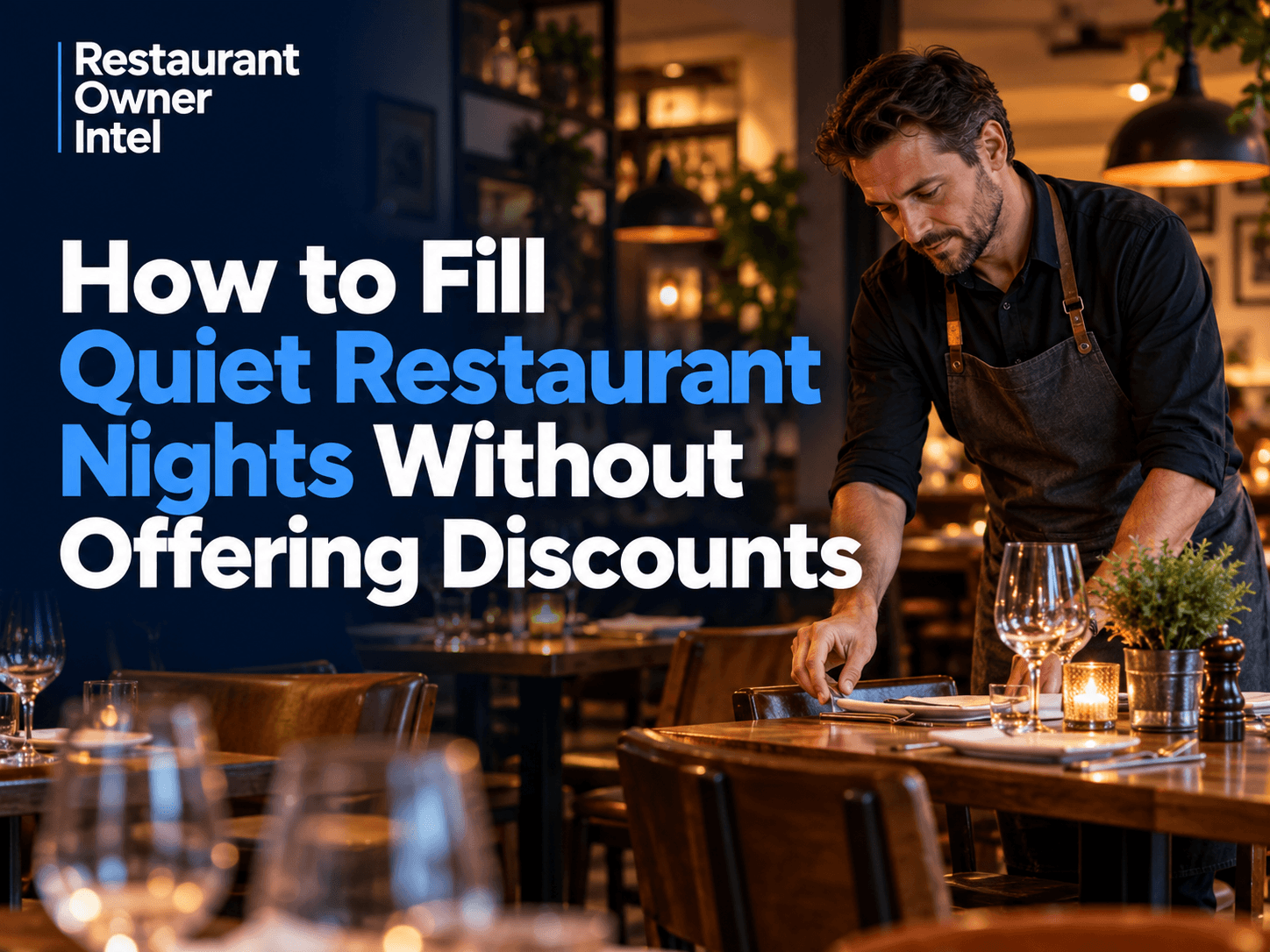
How to Fill Quiet Restaurant Nights Without Offering Discounts
Empty tables on a Tuesday or Wednesday can be expensive. But cutting prices isn't the only way to bring customers through the door. These practical restaurant marketing ideas can help you increase midweek bookings, give diners a reason to visit and protect your profit margins.

Oct 18, 2026
Are Delivery Apps Bringing You Sales or Taking Too Much Margin?
Delivery apps can keep your kitchen busy and your sales figures climbing. But how much of that money are you actually keeping? Here's how to uncover the real cost of restaurant delivery apps, protect your profit margins and make every order work harder for your business.

Oct 17, 2026
Why Customers Choose One Restaurant Over Another (And How to Win Their Business)
Why Customers Choose One Restaurant Over Another comes down to more than food and price. Understanding the psychology behind dining decisions can help your restaurant attract more customers, win bookings and build repeat business.
Oct 16, 2026
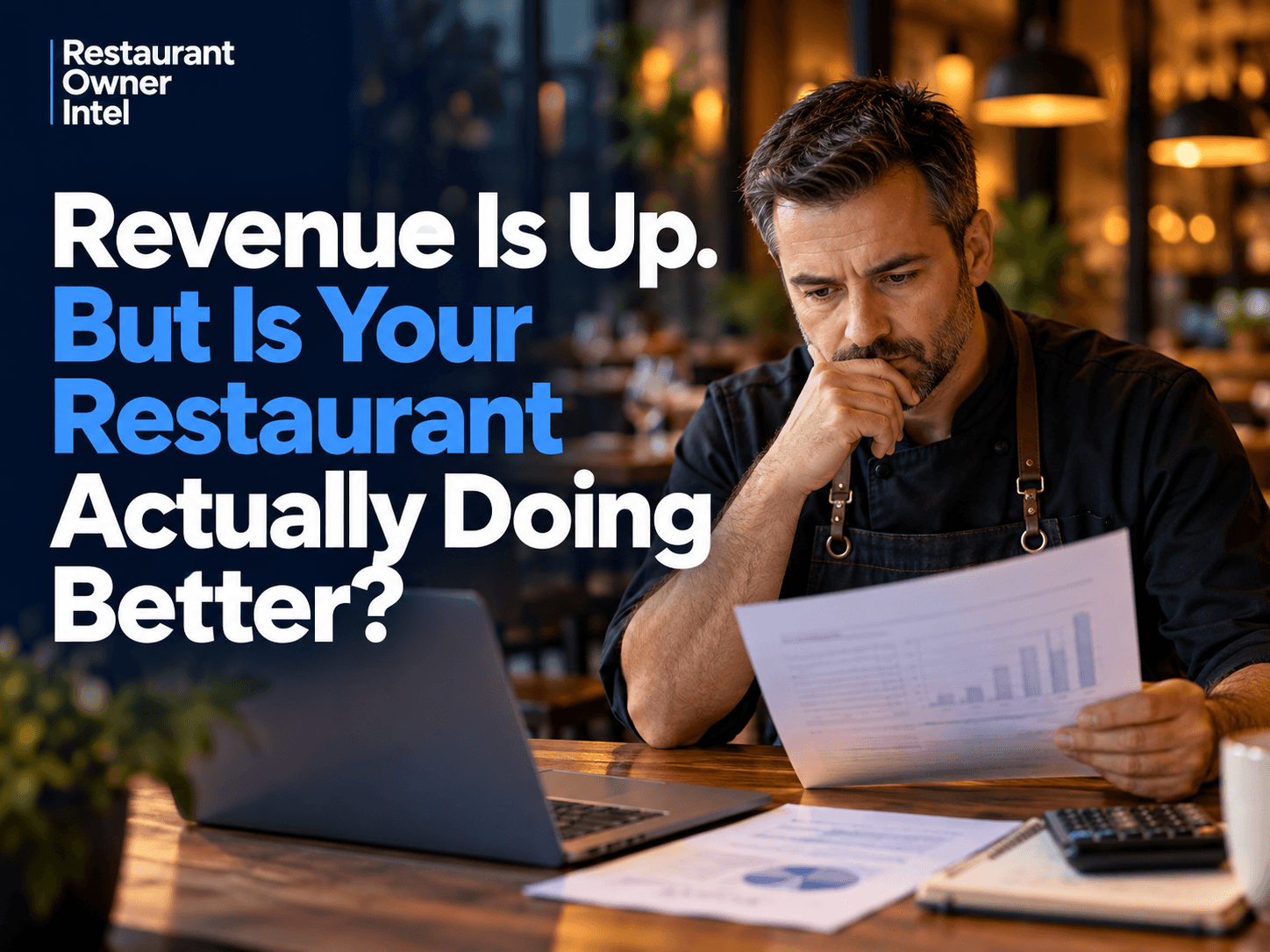
Revenue Is Up. But Is Your Restaurant Actually Doing Better?
Higher sales can create the impression of a healthier restaurant business. But unless customer numbers, operating costs and profit margins are improving too, revenue growth may be hiding a very different story.
0 Comments
Join the conversation
Be the first to comment
Share your thoughts above.