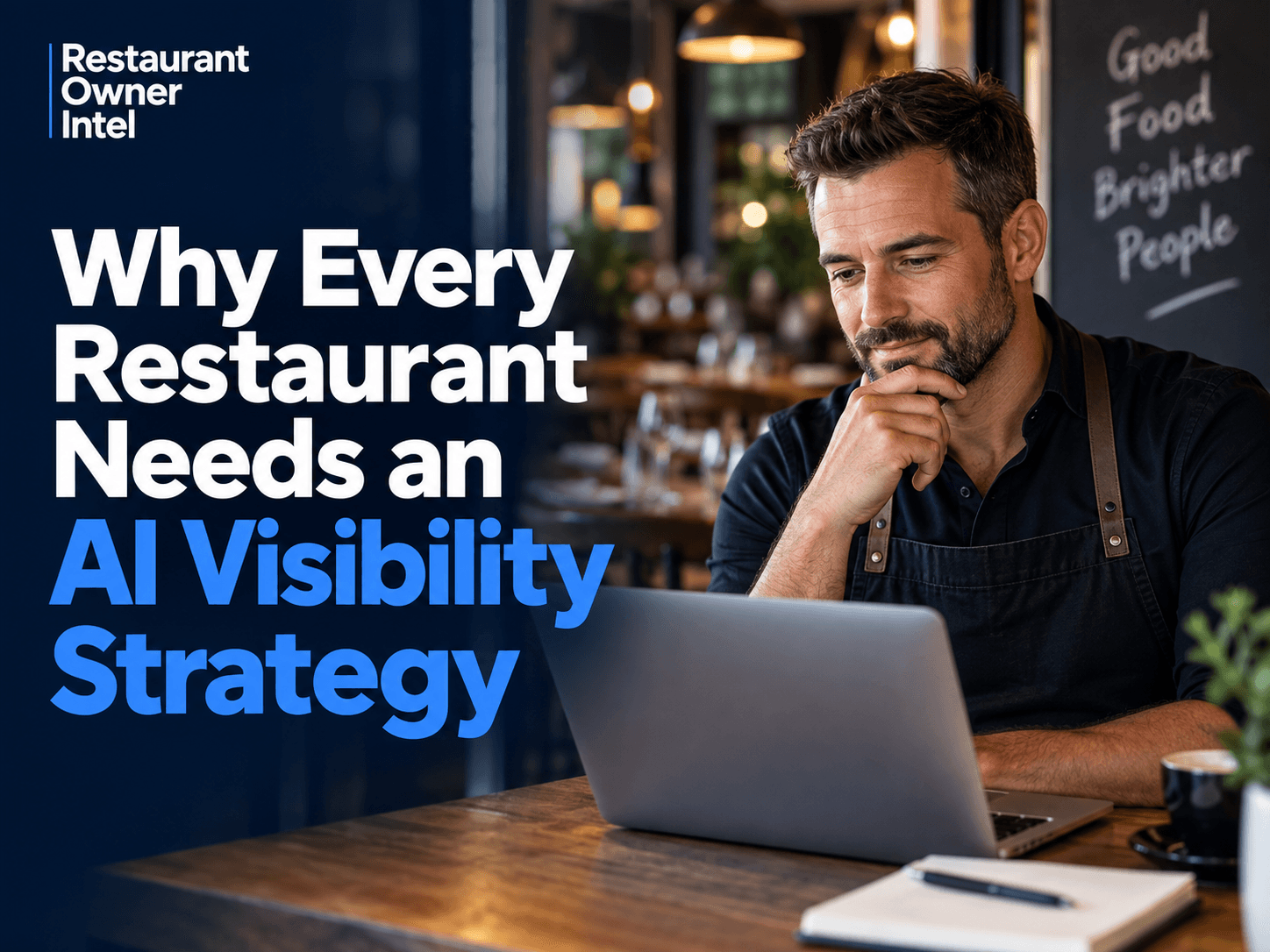
Why Every Restaurant Needs an AI Visibility Strategy
Why every restaurant needs an AI visibility strategy: learn how accurate listings, reviews, menus and website content can help your restaurant get discovered through AI search.
For years, restaurant owners have worried about where they appear on Google. Are we showing up when someone searches for restaurants nearby? Is our Google Business Profile accurate? Do we have enough reviews? Does our website rank? Those questions still matter. But there is another question restaurant owners increasingly need to ask: Can AI find, understand and recommend our restaurant? Customers can now ask AI tools questions such as: “Where should I go for a good Italian meal near me?” “Find me a family-friendly restaurant with vegetarian options.” “What are the best independent restaurants for a birthday dinner in this area?” “I need somewhere open after 9pm with parking and good reviews.” Instead of scrolling through pages of search results, customers can receive a shortlist and continue the conversation from there. ChatGPT, for example, can search the web for current information and local restaurant results. Google is also building generative AI deeper into its search experience through AI Overviews and AI Mode. (OpenAI) Restaurant discovery is changing. That means restaurants need to start thinking about AI visibility alongside traditional search visibility. What Is an AI Visibility Strategy?An AI visibility strategy is simply a plan to make your restaurant easier for AI-powered search and recommendation tools to understand. You do not need to become an AI expert. The objective is much more practical. When someone asks an AI system for a restaurant matching what you offer, there should be enough clear, accurate and trustworthy information online for your restaurant to be considered. Think about everything a potential customer might want to know:
If this information is unclear, inconsistent or difficult to find online, you are making restaurant discovery harder. That mattered with Google search. It could matter even more when an AI system is deciding which handful of restaurants to mention in an answer. Restaurant Search Is Becoming a ConversationTraditional restaurant searches are often short. Italian restaurant Peterborough. Restaurants near me. Best Sunday lunch. AI allows customers to be much more specific. Someone could ask: “Find me an independent restaurant within 20 minutes that would be good for six people on Saturday evening, has vegetarian options and gets consistently good reviews for service.” That is a very different type of search. Customers can describe the occasion, dietary requirements, location, budget and preferences in one conversation. They can then refine it: “Which of those has parking?” “Which looks best for an anniversary?” “Which is open after 10pm?” “Which has the best vegetarian menu?” The restaurant with the clearest digital footprint has an advantage because there is more useful information available to answer those questions. Your Google Business Profile Is Still ImportantAn AI visibility strategy does not mean abandoning Google. Quite the opposite. Your Google Business Profile remains one of the most important sources of structured information about your restaurant. Google says Business Profiles allow businesses to maintain information including opening hours, website, phone number and location, while restaurants can also add menu information, photographs and interact with customers through reviews. (Google Business Profile Help) Google also advises businesses seeking stronger local visibility to provide complete information, keep opening hours accurate, respond to reviews and add photographs and videos. (Google Business Profile Help) That is good local search practice. It is also good AI visibility practice. Check your profile as a customer rather than an owner. Is the category correct? Are your opening hours current? Are special opening hours updated? Does the menu link work? Are the photographs recent? Are important attributes included? Does the description accurately explain what makes the restaurant different? Small inaccuracies become more important as customers rely on digital assistants to filter their options. Your Website Needs to Explain What Your Restaurant Actually OffersSome restaurant websites look attractive but communicate surprisingly little. There may be a large photograph, a logo and a booking button. But what does the restaurant actually specialise in? AI visibility gives restaurant owners another reason to make their websites clear. Imagine you operate a neighbourhood Italian restaurant specialising in handmade pasta, wood-fired pizza and family dining. Those facts should be obvious on your website. Do not make customers — or search technology — work unnecessarily hard to understand the business. Useful information could include: “Independent Italian restaurant in [location] serving handmade pasta and wood-fired pizza.” Then provide useful pages or sections covering your menu, location, opening hours, bookings, private dining, dietary options and other genuinely important customer questions. This is not about filling pages with keywords. It is about making your restaurant easy to understand. Reviews Could Become Even More ValuableReviews have always influenced restaurant choice. They also create a large amount of public information about what customers associate with your restaurant. Customers might repeatedly mention: “Great for families.” “Excellent gluten-free options.” “Perfect for date night.” “Friendly staff.” “Generous portions.” “Great Sunday roast.” “Lovely outdoor seating.” Those comments create context around the business. Google itself says reviews can help a business stand out and provide potential customers with useful information. (Google Business Profile Help) Restaurant owners should therefore treat review generation and review management as part of their wider visibility strategy. Ask genuine customers for reviews. Respond to them. Monitor recurring comments. And never buy or incentivise positive reviews. Apart from undermining trust, Google explicitly prohibits incentives in exchange for reviews. (Google Business Profile Help) Your reputation is increasingly part of your restaurant's searchable information. Consistency MattersImagine your restaurant website says you close at 10pm. Google says 11pm. An old directory says 9:30pm. Your Facebook page has not been updated for two years. Which information should a customer trust? More importantly, which information should an AI system trust? Restaurant owners should periodically check the major places where their business appears online. Your restaurant's basic facts should be consistent wherever possible: Name. Address. Telephone number. Opening hours. Website. Menu. Cuisine. Booking information. Google itself combines information supplied by businesses with information from other sources when presenting business information. (Google Business Profile Help) You therefore cannot assume updating one profile solves everything. Give AI Something Worth FindingThere is another mistake restaurant owners should avoid. AI visibility is not simply about having accurate opening hours. Your online presence should also communicate why somebody should choose you. Consider two restaurant descriptions. Restaurant A:“Welcome to Antonio's. We look forward to seeing you.” Restaurant B:“Independent Italian restaurant in Stamford specialising in handmade pasta, stone-baked pizza and relaxed family dining. Open for lunch and dinner Tuesday to Sunday, with vegetarian and gluten-free options available.” Which gives a customer more useful information? The second description provides clear signals about cuisine, location, dishes, atmosphere, opening pattern and dietary options. Those are exactly the details people use when choosing where to eat. The lesson is simple: Be specific about what your restaurant does well. Think About the Questions Customers Will Ask AIOne useful exercise is to stop thinking about keywords for ten minutes and start thinking about questions. What might somebody ask when your restaurant would be a good answer? For example: “Best independent steak restaurant in [town].” “Good restaurant for a birthday dinner in [area].” “Family-friendly restaurant near [location].” “Restaurant with good vegan options near me.” “Best Sunday lunch in [town].” “Romantic restaurant for an anniversary.” “Restaurant that can accommodate a group of 12.” “Restaurant with outdoor dining.” “Where can I eat after 9pm?” Now search your own website and profiles. Could somebody easily find evidence that your restaurant meets those requirements? If the answer is no, you have found a visibility gap. Do Not Try to Game AI SearchRestaurant owners have seen this before. Whenever a new discovery channel appears, businesses quickly look for tricks to manipulate it. That is unlikely to be a sensible long-term strategy. Do not start filling your website with awkward phrases designed purely for AI. Do not create dozens of thin pages answering nearly identical questions. Do not publish generic AI-generated articles simply because someone says it will improve your visibility. And do not believe anyone promising guaranteed placement in AI recommendations. OpenAI explicitly states that placement in ChatGPT search results is not guaranteed. (OpenAI) The stronger strategy is much less exciting — and much more useful. Make your restaurant's online information: Accurate. Detailed. Consistent. Current. Useful. Credible. Those improvements benefit customers regardless of whether they discover you through Google, Maps, ChatGPT, another AI assistant or a traditional website. A Simple AI Visibility Audit for RestaurantsYou do not need an expensive consultant to start. Spend 30 minutes checking the following: Google Business ProfileAre your hours, category, contact information, menu, photographs and attributes accurate? WebsiteCan someone immediately understand what type of restaurant you operate, where you are and what makes you different? MenuIs your current menu available online in an accessible format with useful dish descriptions and prices where appropriate? ReviewsAre customers regularly leaving genuine reviews, and are you responding to them? Restaurant descriptionsDo your website and major profiles clearly describe your cuisine, location and important customer features? Customer questionsDoes your website answer common questions about dietary requirements, parking, bookings, groups, children, accessibility and other relevant features? ConsistencyAre your address, phone number, opening hours and website details consistent across the major places customers find you? FreshnessAre customers finding current information rather than menus, photographs and opening hours from several years ago? Every weak answer gives you something practical to improve. AI Visibility Is Becoming Part of Restaurant MarketingRestaurant marketing used to mean newspaper adverts, flyers and signage. Then websites became important. Then Google. Then social media. Restaurant owners did not stop using every previous channel when the next one appeared. Customer discovery simply became more fragmented. AI looks like another significant change in that journey. The difference is that customers may increasingly ask technology to narrow the market for them. Instead of looking at 20 restaurants and making a decision themselves, they may ask an AI assistant to recommend three. For an independent restaurant, being absent from that shortlist could mean never reaching the consideration stage. The good news is that many of the fundamentals are already familiar. Accurate business information. A useful website. A current menu. Strong genuine reviews. Clear descriptions. Consistent information. A distinctive proposition. AI visibility is not a completely new marketing discipline. It is another reason to get the basics of your restaurant's digital presence right. Your Action This WeekOpen an AI search tool and ask five realistic questions a potential customer might use when your restaurant should be a strong recommendation. Do not only search for your restaurant's name. Search for the occasion, cuisine, location and customer need you want to be known for. See whether your restaurant appears. Then look at the restaurants that do. The important question is not simply: “Why did AI choose them?” Ask: “What useful information can it find about them that is missing, unclear or outdated about us?” That gives you the starting point for your restaurant's AI visibility strategy. |
Restaurant Owner Resource |
Free AI Restaurant Growth Plan |
Curious what growth opportunities your restaurant might be missing? Our free AI-powered Growth Plan analyses your restaurant's online presence, marketing and growth goals to identify opportunities you may not have considered.
|
Oct 18, 2026
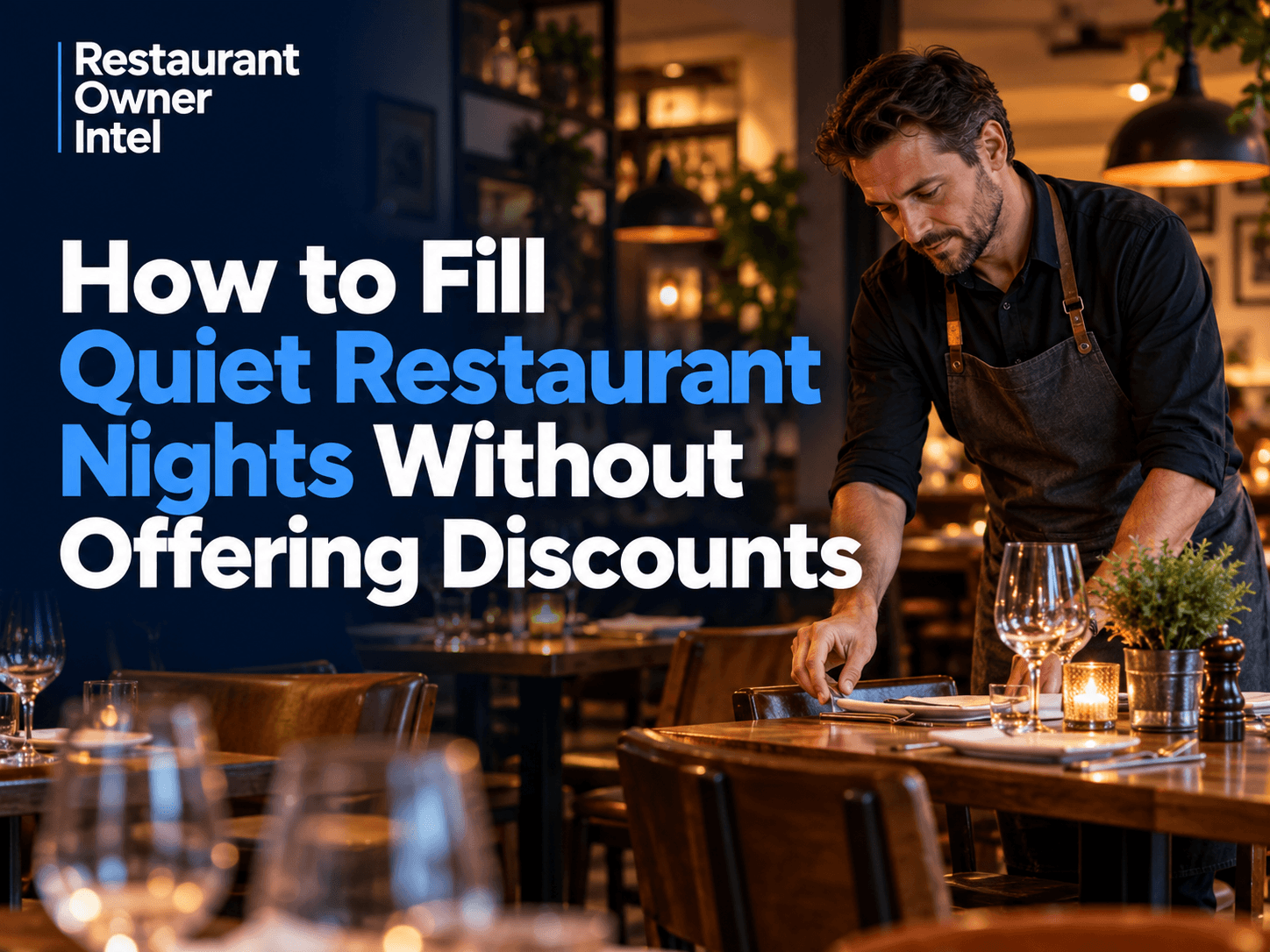
How to Fill Quiet Restaurant Nights Without Offering Discounts
Empty tables on a Tuesday or Wednesday can be expensive. But cutting prices isn't the only way to bring customers through the door. These practical restaurant marketing ideas can help you increase midweek bookings, give diners a reason to visit and protect your profit margins.

Oct 18, 2026
Are Delivery Apps Bringing You Sales or Taking Too Much Margin?
Delivery apps can keep your kitchen busy and your sales figures climbing. But how much of that money are you actually keeping? Here's how to uncover the real cost of restaurant delivery apps, protect your profit margins and make every order work harder for your business.
Oct 17, 2026
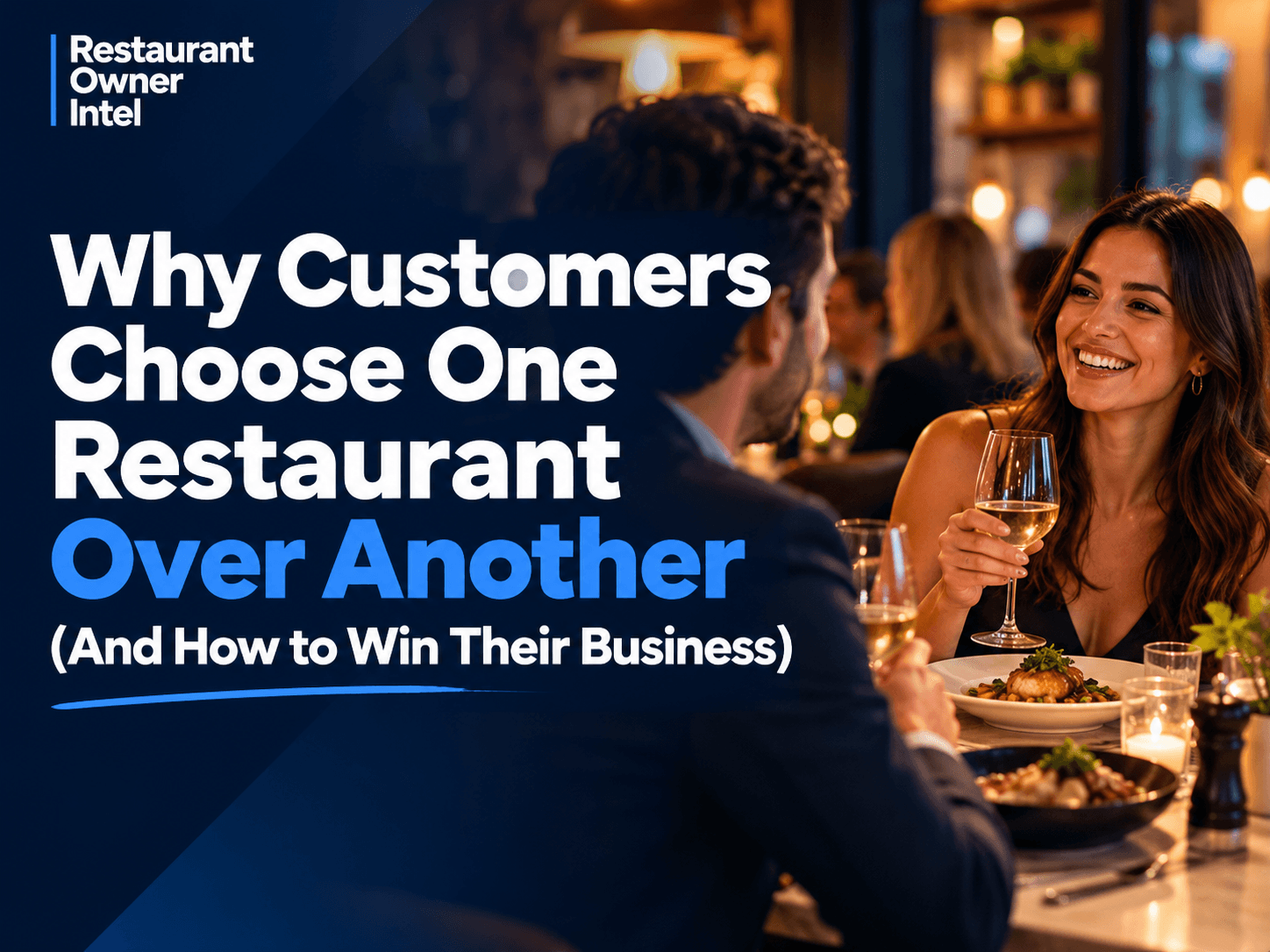
Why Customers Choose One Restaurant Over Another (And How to Win Their Business)
Why Customers Choose One Restaurant Over Another comes down to more than food and price. Understanding the psychology behind dining decisions can help your restaurant attract more customers, win bookings and build repeat business.
Oct 16, 2026
Revenue Is Up. But Is Your Restaurant Actually Doing Better?
Higher sales can create the impression of a healthier restaurant business. But unless customer numbers, operating costs and profit margins are improving too, revenue growth may be hiding a very different story.
0 Comments
Join the conversation
Be the first to comment
Share your thoughts above.