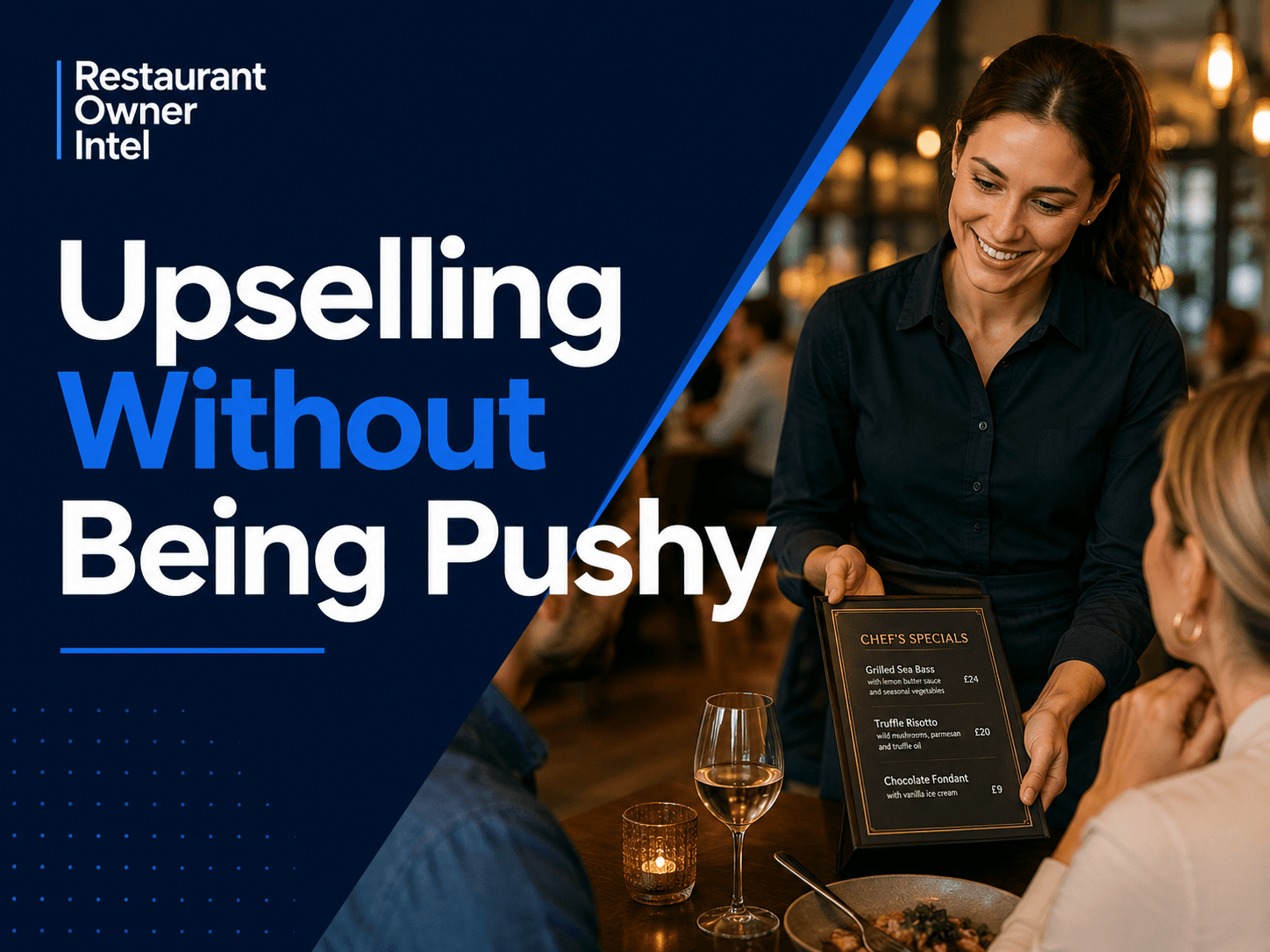
Upselling Without Being Pushy: How Restaurants Can Increase Average Spend Without Annoying Customers
Learn how to increase average spend with natural upselling techniques that improve customer experience, boost profits and never feel pushy.
Many restaurant owners hear the word upselling and immediately think of pushy sales tactics.
The reality is very different.
The best restaurants increase average spend without customers ever feeling like they've been sold to. Good upselling feels like good service. It helps guests enjoy their visit while naturally increasing revenue.
If your team is confident, knowledgeable and focused on improving the customer experience, upselling becomes one of the simplest ways to improve profitability.
Why average spend matters
Finding new customers is expensive.
Encouraging existing customers to spend just a little more during each visit is often much easier and far more profitable.
For example, if your average spend increases from £24 to £27, that extra £3 quickly adds up across hundreds of customers every week.
The best part is that you don't need more tables, more staff or more advertising. You're simply helping customers discover more of what your restaurant offers. Start by making recommendations, not sales pitches
Customers expect recommendations from knowledgeable staff.
Instead of asking: "Would you like chips with that?"
Train your team to say: "Our rosemary parmesan fries are one of our most popular sides with that dish."
Or: "If you enjoy seafood, our grilled prawns make a great starter before that."
The difference is subtle but important.
Recommendations feel helpful.
Sales pitches feel uncomfortable. Teach staff to describe food properly
Customers buy what they can imagine.
A simple description can make a huge difference.
Instead of saying: "Would you like dessert?"
Try: "Our warm chocolate brownie is served with homemade vanilla ice cream and has been our best-selling dessert this month."
Specific descriptions create anticipation. Offer upgrades that add value
Customers are often happy to spend more if they understand what they're getting.
Examples include:
The key is explaining the benefit.
"For £4 more, you can upgrade to our 28-day aged sirloin, which has a much richer flavour."
That's far more persuasive than simply asking whether they want an upgrade. Timing matters
Even the best suggestion can feel awkward if it's delivered at the wrong moment.
Good opportunities include:
Avoid interrupting conversations or repeatedly asking customers to add extras.
One thoughtful recommendation is usually enough. Use your menu to do some of the work
Your menu should naturally encourage customers towards higher-value choices.
Consider highlighting:
Well-designed menus quietly encourage better purchasing decisions before staff even become involved. Bundle complementary items
Customers often appreciate simple combinations.
For example:
Bundling removes decision fatigue while increasing average spend. Let your staff try the menu
Staff recommend dishes far more confidently when they've tasted them.
Regular tasting sessions help your team:
Enthusiasm is difficult to fake.
Knowledge creates credibility. Never make customers feel pressured
The quickest way to lose trust is by making customers feel like they're constantly being sold to.
If someone declines an upgrade, simply move on.
Good service always comes before additional sales.
Satisfied customers return.
Pressured customers often don't. Train your team with simple scripts
Many staff avoid upselling because they don't know what to say.
Give them a few natural conversation starters, such as:
These phrases feel conversational rather than scripted. Review what actually sells
Look at your sales reports regularly.
Ask yourself:
Use this information during staff briefings so everyone knows what to recommend. Quick Upselling Audit
Ask yourself:
If you answered "no" to several of these questions, there's an opportunity to increase revenue without attracting a single new customer. One action to take this week
Choose three high-margin items on your menu and train every member of staff to recommend them naturally during service.
Small improvements in average spend, repeated hundreds of times each month, can have a significant impact on your restaurant's profitability. |
Restaurant Owner Resource |
Free AI Restaurant Growth Plan |
Curious what growth opportunities your restaurant might be missing? Our free AI-powered Growth Plan analyses your restaurant's online presence, marketing and growth goals to identify opportunities you may not have considered.
|
Oct 19, 2026
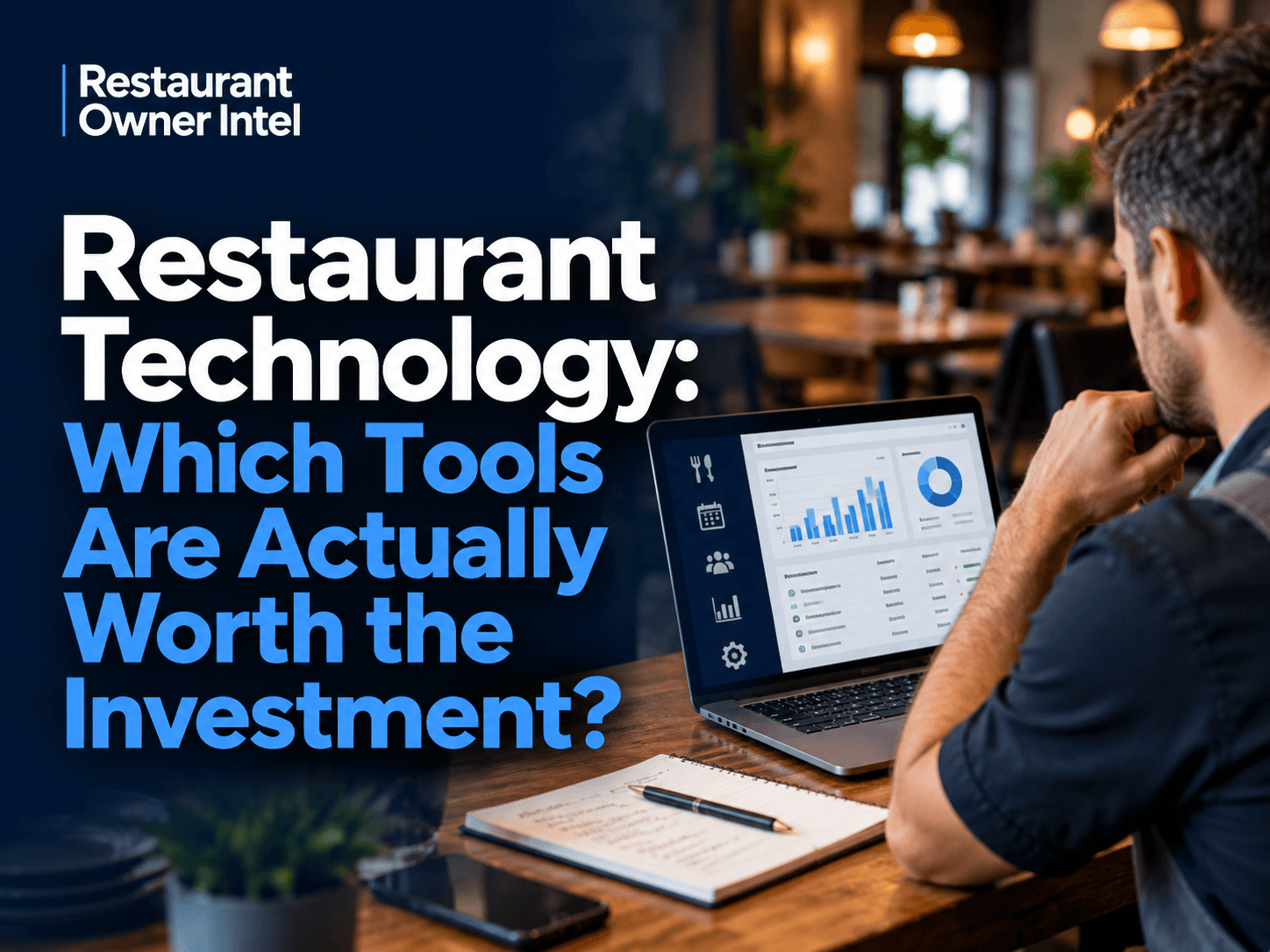
Restaurant Technology: Which Tools Are Actually Worth the Investment?
From POS systems and booking software to AI and staff scheduling, here's how to choose restaurant technology that earns its place in your budget, protects your margins and makes running your business easier.
Oct 18, 2026
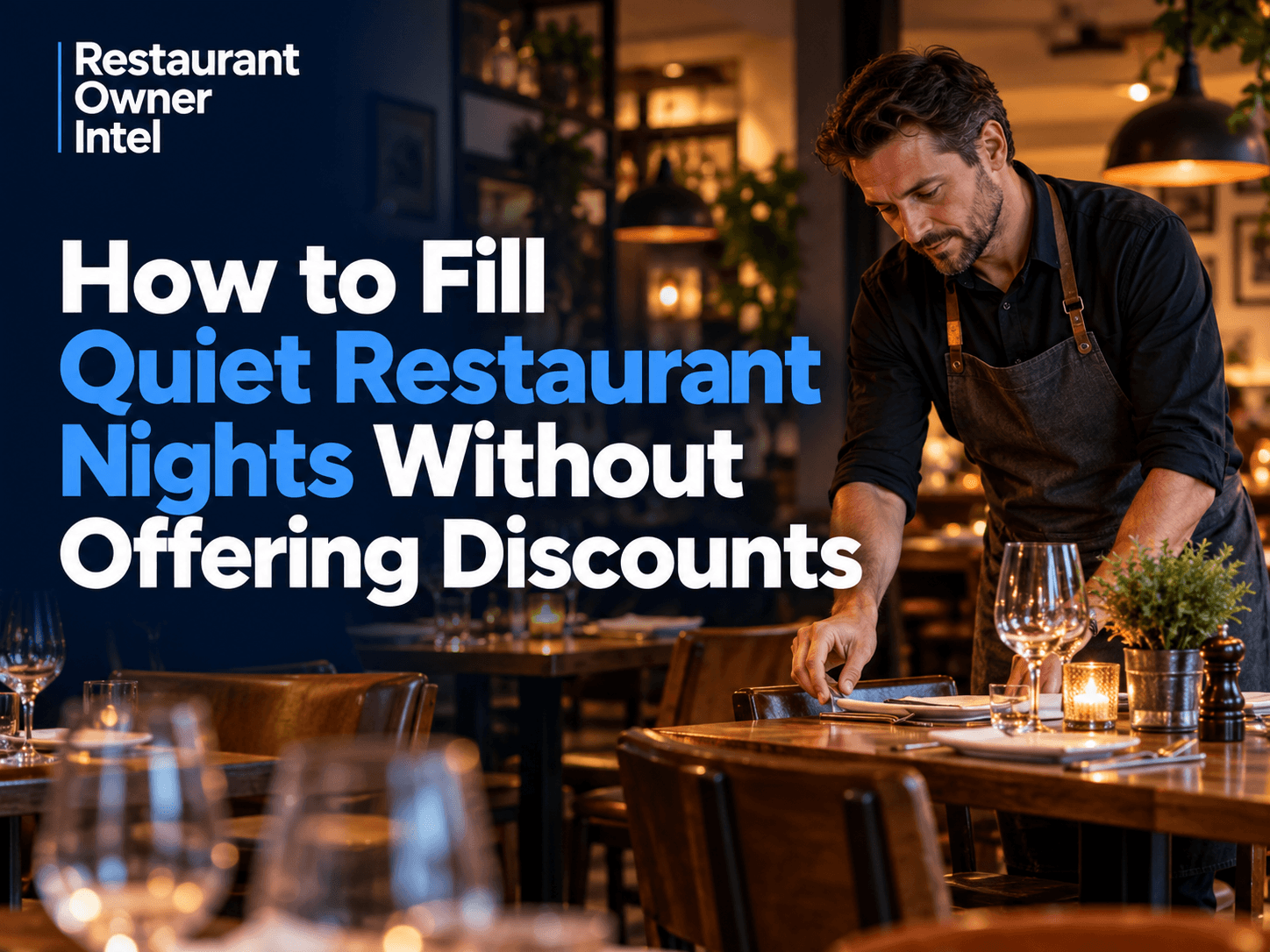
How to Fill Quiet Restaurant Nights Without Offering Discounts
Empty tables on a Tuesday or Wednesday can be expensive. But cutting prices isn't the only way to bring customers through the door. These practical restaurant marketing ideas can help you increase midweek bookings, give diners a reason to visit and protect your profit margins.
Oct 18, 2026
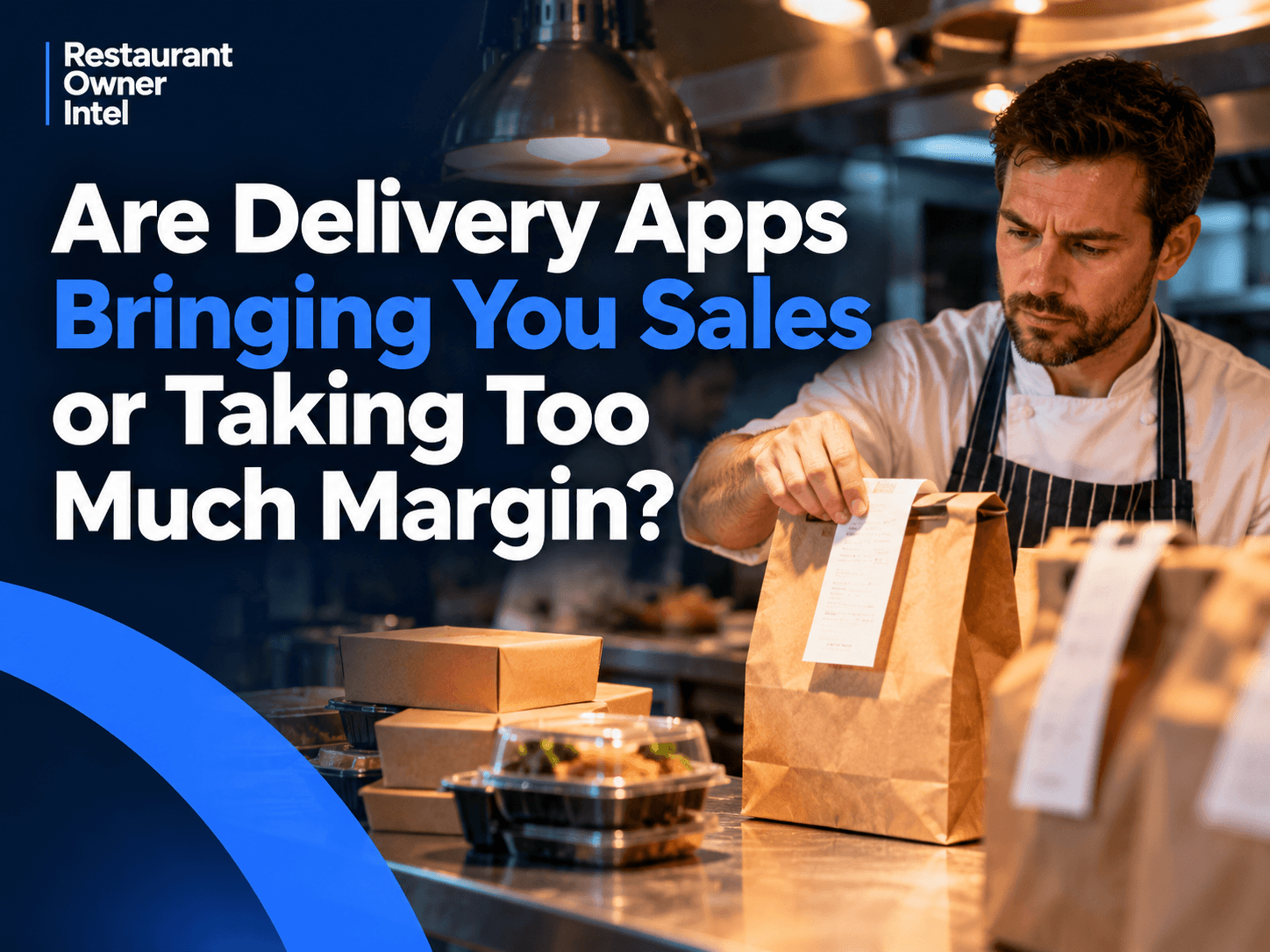
Are Delivery Apps Bringing You Sales or Taking Too Much Margin?
Delivery apps can keep your kitchen busy and your sales figures climbing. But how much of that money are you actually keeping? Here's how to uncover the real cost of restaurant delivery apps, protect your profit margins and make every order work harder for your business.
Oct 17, 2026
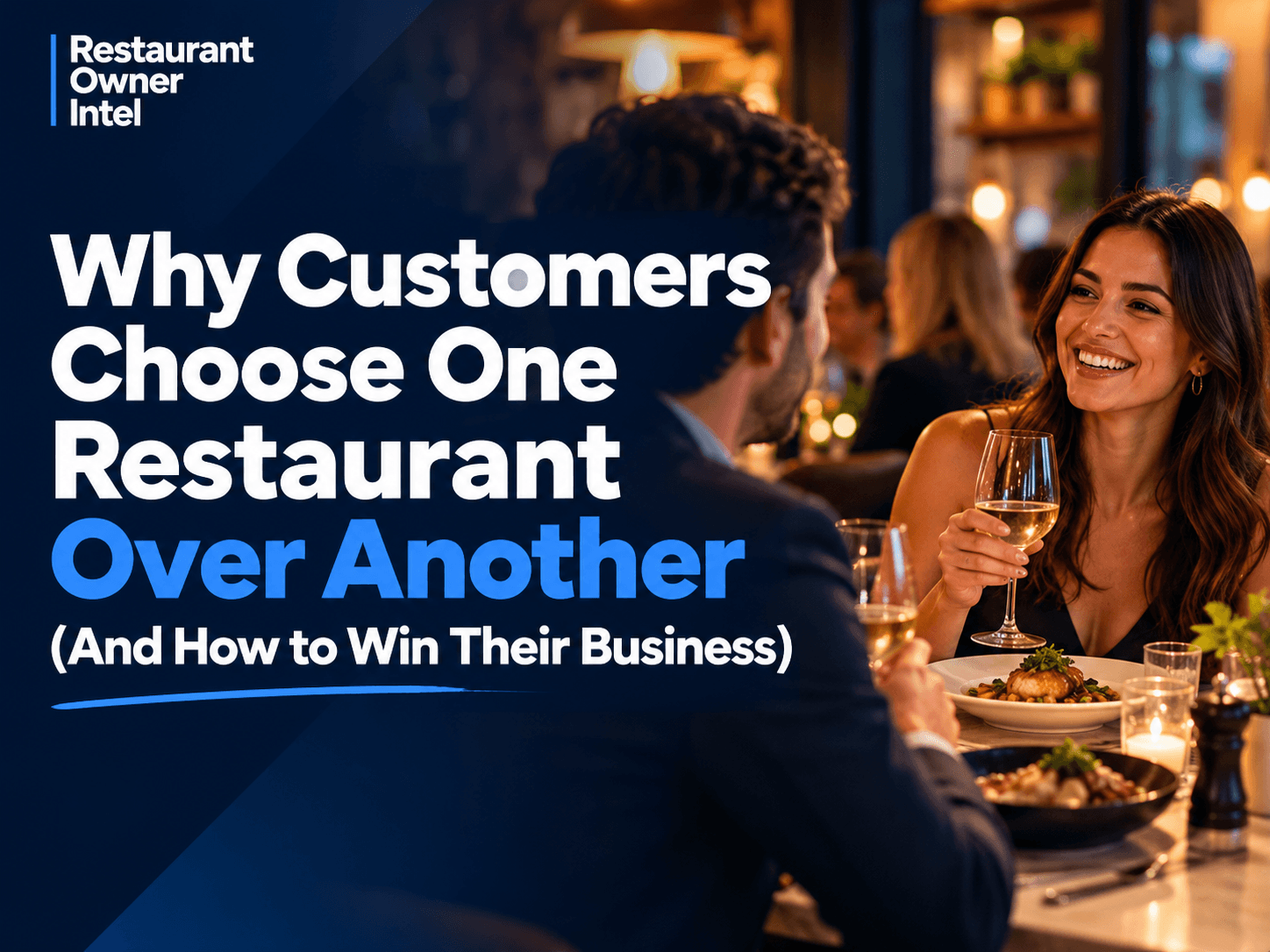
Why Customers Choose One Restaurant Over Another (And How to Win Their Business)
Why Customers Choose One Restaurant Over Another comes down to more than food and price. Understanding the psychology behind dining decisions can help your restaurant attract more customers, win bookings and build repeat business.
0 Comments
Join the conversation
Be the first to comment
Share your thoughts above.