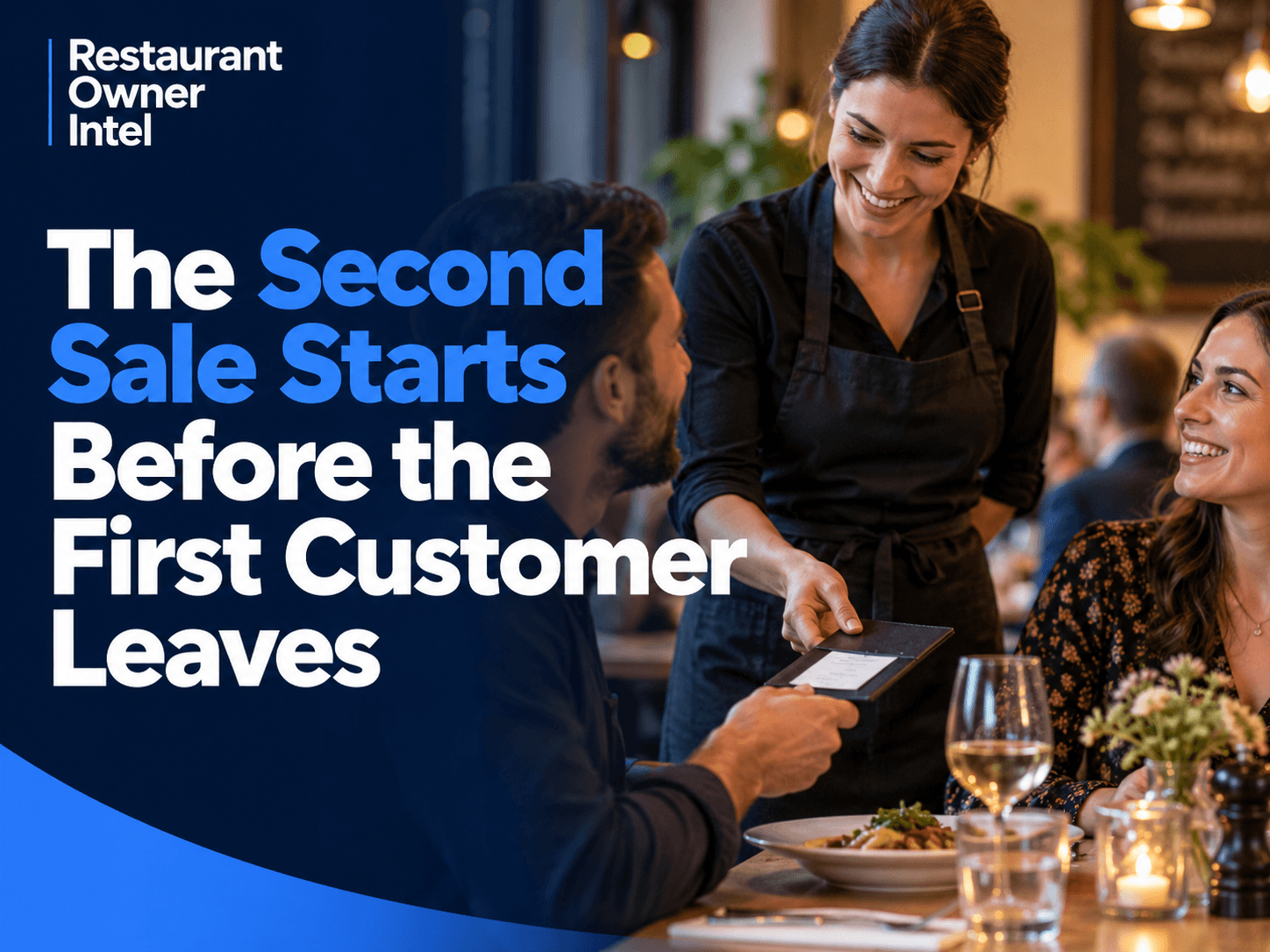
The Second Sale Starts Before the First Customer Leaves
Learn how restaurant customer data can turn satisfied diners into reachable customers, encourage repeat visits and help generate future bookings.
Most restaurants treat payment as the end of the customer journey. The meal is finished. The bill is paid. The table is cleared. The customer walks out. Operationally, that makes sense. Commercially, it can be a missed opportunity. That customer has just spent an hour or two experiencing your restaurant. They've tried your food, interacted with your team, experienced the atmosphere and decided whether the restaurant delivered what they hoped it would. If they've had a good experience, something valuable has happened. You've earned a degree of trust. Yet many restaurants allow that trust to walk straight out of the door without creating any practical way to continue the relationship. The restaurant might have the customer's payment, but not their permission to contact them. That distinction matters. A restaurant can serve thousands of customers over several years and still have surprisingly little ability to reach those people directly. When Tuesday is quiet, a new menu launches, Christmas bookings open or an event needs filling, the restaurant goes back to Facebook, Instagram, paid advertising or other channels and tries to find customers again. Some of the people it is trying to reach have already eaten there. This is why the second sale shouldn't begin when you decide you need more bookings. The second sale starts before the first customer leaves. The objective isn't to push another meal while somebody is finishing dessert. It's to create a natural bridge between a successful first visit and a possible second one. That bridge is permission. The gap between a customer and a reachable customerRestaurant owners often think in two categories: customers and non-customers. There is a more useful distinction. There are customers you can reach again and customers you can't. Imagine 200 people dine in your restaurant this week. They aren't all equally valuable from a future marketing perspective. Some may follow the restaurant on Instagram. Some booked through a platform. Some walked in. Some ordered takeaway. Some were guests whose friend made the reservation. Some may never hear from the restaurant again unless they happen to see another social post or remember to return. They were customers, but many remain unreachable customers. That creates an important commercial question: What happens between "that person enjoyed eating here" and "we have permission to speak to that person again"? For many restaurants, the answer is nothing. That's the gap. The restaurant concentrates heavily on getting people through the door, then pays surprisingly little attention to retaining a direct connection once they're there. The better way to think about customer acquisition is that a first visit has two possible outcomes. The obvious outcome is today's transaction. The less obvious outcome is permission for a future conversation. You don't need every customer to opt in. You shouldn't make the process intrusive, and consent needs to be handled properly. The aim is simply to give satisfied customers a relevant reason and an easy opportunity to stay connected if they want to. That changes what a successful first visit can produce. Instead of: Visit → payment → departure you create: Visit → positive experience → relevant reason to stay connected → permission → useful communication → opportunity to return The second sequence doesn't guarantee another booking. It does something more fundamental. It gives the restaurant another opportunity to earn one. Build the bridge while the experience is still freshTiming matters because the restaurant's strongest argument for a future visit may be the experience the customer is having right now. Consider a neighbourhood Italian restaurant. A couple visits on Friday evening. They enjoy the meal, mention how good the fresh pasta was and tell the server they'll come back. The bill arrives. They pay £85 and leave. From the restaurant's perspective, they're happy customers. But suppose the restaurant has no email address, no loyalty relationship and no other direct contact permission. Three months later, it introduces a new autumn menu featuring several fresh pasta dishes. The owner posts about it on social media and perhaps pays to promote the post locally. The couple who already liked the pasta may never see it. The restaurant has relevant news for people who are unusually likely to care, but no reliable way to tell them. Now change one part of the first visit. Near the end of the meal, the restaurant gives customers a simple opportunity to join its email list for early access to seasonal menus, occasional restaurant events and a birthday benefit. The couple enjoyed the restaurant, like trying new dishes and decide that's useful enough to opt in. Nothing needs to be aggressively sold. Weeks later, the autumn menu email arrives. "Our autumn menu starts next Thursday. Fresh wild mushroom tagliatelle is back, alongside three new dishes." That communication has context. The restaurant isn't introducing itself to strangers. It's reminding previous customers of an experience they've already had and giving them a relevant reason to consider returning. This is the mechanism restaurant owners should pay attention to. The best time to create the possibility of the next visit is often during the current one. Not because customers should be bombarded with promotions at the table, but because the relationship is warmest when the restaurant experience is real, recent and memorable. Wait six months and you're trying to recreate attention. Capture permission appropriately during the visit and you can maintain it. The distinction also changes how you think about incentives. Many restaurants immediately assume they need to offer a large discount to collect email addresses. That isn't necessarily the right starting point. The question isn't, "How much do we have to give away?" It's: "What would make staying connected genuinely worthwhile for this customer?" For one restaurant, that might be first notice of special dining events. For another, it could be new-menu previews. A family restaurant might offer a birthday benefit. A steakhouse might give subscribers advance access to limited special menus. A neighbourhood restaurant might simply promise useful, occasional updates about menus, events and offers. The incentive needs to fit the restaurant and give the customer a credible reason to opt in. Otherwise, you're collecting addresses rather than building an audience. That distinction becomes important later. If someone signs up purely because they were promised an immediate discount, they may care about the discount more than hearing from the restaurant. If they sign up because the communication itself has value, you have a stronger foundation for an ongoing relationship. The opt-in is therefore only half of the second-sale mechanism. What happens afterwards matters just as much. A restaurant can collect 2,000 email addresses and still waste the opportunity if every message is effectively: "20% OFF. BOOK NOW." Direct access to customers doesn't mean constant access to their wallets. It means you have permission to earn their attention again. That attention should be treated carefully. A useful email might announce the summer terrace opening, introduce a seasonal dish, give early booking access for Mother's Day, share dates for a tasting evening or highlight availability during a period when the restaurant would genuinely like more bookings. Some communications can include offers. But there should be a reason for the message beyond the fact that the restaurant wants money that week. This leads to a simple test for every communication: Why would this particular past customer be pleased to receive this today? If there's no convincing answer, don't send it yet. That one question can prevent a restaurant's customer database becoming another ignored promotional channel. It also helps owners separate collection from conversion. Collection gets permission. Communication maintains relevance. The next visit creates the second sale. Those are three different jobs. If opt-ins are low, examine the collection mechanism. Is the invitation visible? Is there a good reason to join? Is it easy? Do staff understand it? If plenty of people join but rarely engage, examine the communication. Is every message promotional? Is it relevant? Is the restaurant sending anything customers might actually want to know? If people engage but don't return, examine the offer and timing. Are you giving them a meaningful reason to visit now rather than someday? This diagnostic prevents the common mistake of treating "email marketing isn't working" as one problem. There may be three completely different problems hiding underneath it. The system also doesn't need to begin with sophisticated technology. Start by examining the existing customer journey. Look at booking, arrival, ordering, payment, takeaway, Wi-Fi, receipts, loyalty, feedback and post-visit communication. Don't ask, "Where can we grab an email address?" Ask: "Where would an invitation to stay connected feel useful and natural?" That's a better design question. A QR code dumped beside the till with "JOIN OUR MAILING LIST" may technically create an opt-in opportunity, but it gives the customer little reason to act. "Get first access to our monthly supper clubs" is different. So is: "Be the first to see our new seasonal menus." The mechanism is strongest when three things line up: The customer has had a positive experience. The reason to opt in is relevant. The future communication continues delivering on that reason. If one of those is missing, the system weakens. Ask too early, before you've created value, and the request can feel premature. Offer nothing meaningful and customers ignore it. Collect permission and then send irrelevant promotions every few days, and you've squandered the access you worked to build. This is why customer data shouldn't be treated as an administrative marketing task. It's part of customer retention. The restaurant is creating a simple path that makes returning easier to prompt. And over time, the difference can become strategically important. A restaurant with thousands of past customers but almost no direct customer relationships has to keep hoping those customers remember it, search for it, drive past it, see a social post or encounter another piece of marketing. A restaurant that steadily turns willing diners into reachable customers has another option. When it has something genuinely worth returning for, it can tell them. That doesn't replace social media, Google, advertising or other marketing channels. It gives those channels another job. Instead of every marketing channel having to generate a transaction immediately, some can generate a first visit that then becomes a direct relationship. That is a much more useful way to evaluate customer acquisition. Don't only ask: "How many customers did this marketing bring us?" Ask: "How many of those customers left reachable?" Because the first question measures today's opportunity. The second tells you whether today's opportunity can help create tomorrow's. Start with one practical exercise. Watch the next 100 customers move through your restaurant and identify the most natural moment when a satisfied diner could be invited to stay connected. Choose one relevant reason for doing so, make the opt-in simple, and make sure the first communication delivers exactly the kind of value you promised. Then keep asking one question whenever a good customer walks out: Did we only complete the first sale, or did we create permission to earn the second? Try This With AIUse the AI you're already using: ChatGPT, Claude, Gemini, Grok, Meta AI, Copilot, or another general-purpose AI assistant. Replace the example information inside the brackets with your own information, then copy and paste the complete prompt into your AI. AI PromptAct as a practical customer-retention adviser for an independent restaurant. Using the restaurant information I provide, design one simple "second sale" system that turns more satisfied diners into customers the restaurant has permission to contact again. Identify the most natural point in the existing customer journey to invite an opt-in, explain why that moment is stronger than the obvious alternatives, recommend one relevant reason customers would genuinely want to stay connected, and write the exact customer-facing opt-in message. Then design the first three communications the restaurant should send after someone joins, making each useful or timely rather than relying on constant discounts, and show what could naturally trigger a return visit. Finish with a simple diagnostic covering the three separate jobs of collection, communication, and conversion, including what I should investigate if each stage performs poorly, plus the one change I should test with my next 100 customers. Keep everything realistic for an independent restaurant with limited time and resources. Don't invent facts about my business, and clearly label any reasonable assumptions you make. [MY RESTAURANT AND CURRENT CUSTOMER JOURNEY: Example: "We're a neighbourhood Italian restaurant. Most customers book online or by phone, although we get some walk-ins. Staff seat them, take orders at the table, bring a printed bill and take payment by card. We don't currently ask for email addresses except when an online booking happens, and we don't have a loyalty programme. Customers often compliment our fresh pasta and seasonal specials. We run occasional wine dinners and change parts of the menu every few months. We'd like more repeat visits, particularly on Tuesday and Wednesday evenings."] |
Restaurant Owner Resource |
Free AI Restaurant Growth Plan |
Curious what growth opportunities your restaurant might be missing? Our free AI-powered Growth Plan analyses your restaurant's online presence, marketing and growth goals to identify opportunities you may not have considered.
|
Oct 18, 2026
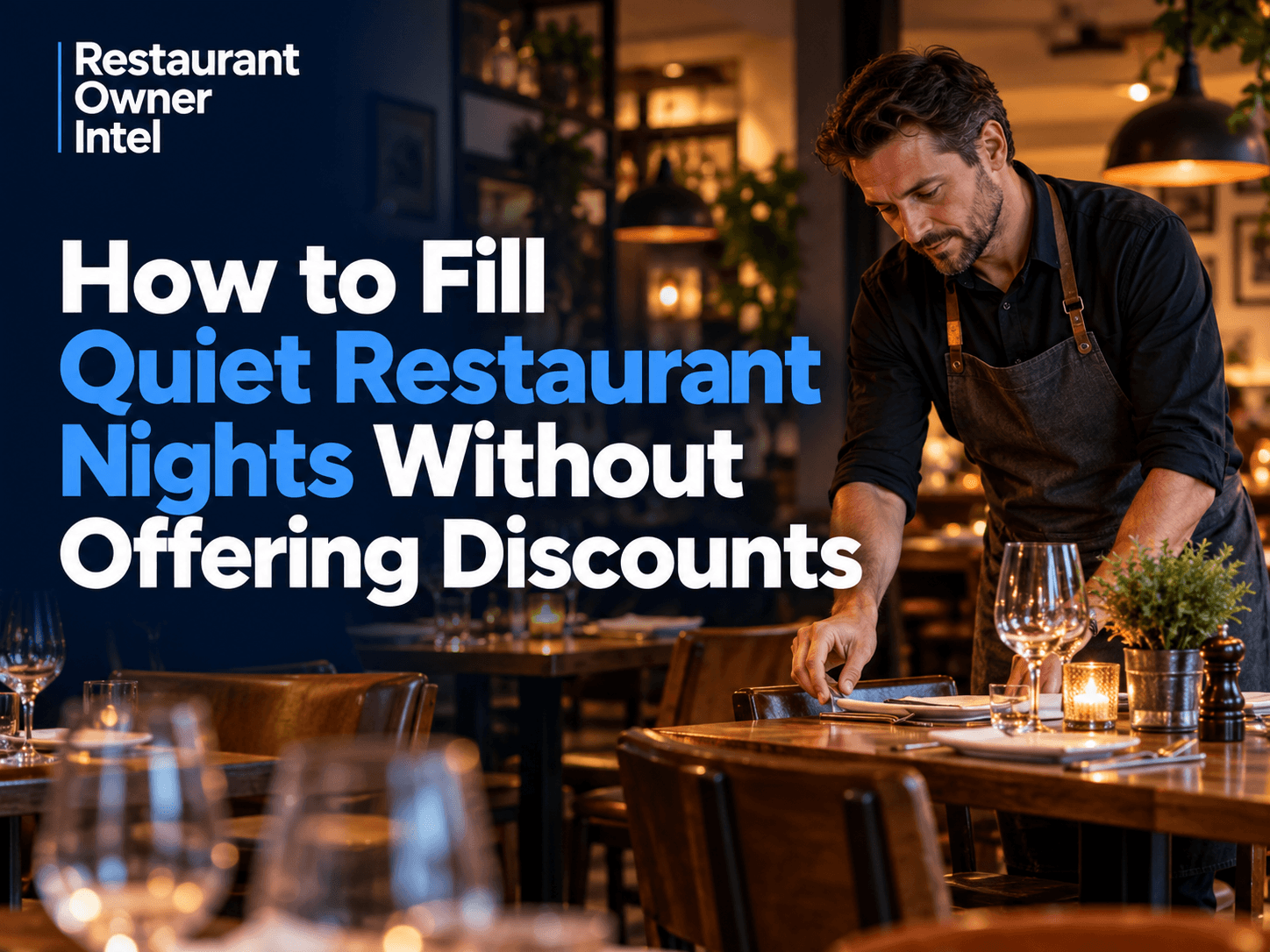
How to Fill Quiet Restaurant Nights Without Offering Discounts
Empty tables on a Tuesday or Wednesday can be expensive. But cutting prices isn't the only way to bring customers through the door. These practical restaurant marketing ideas can help you increase midweek bookings, give diners a reason to visit and protect your profit margins.
Oct 18, 2026
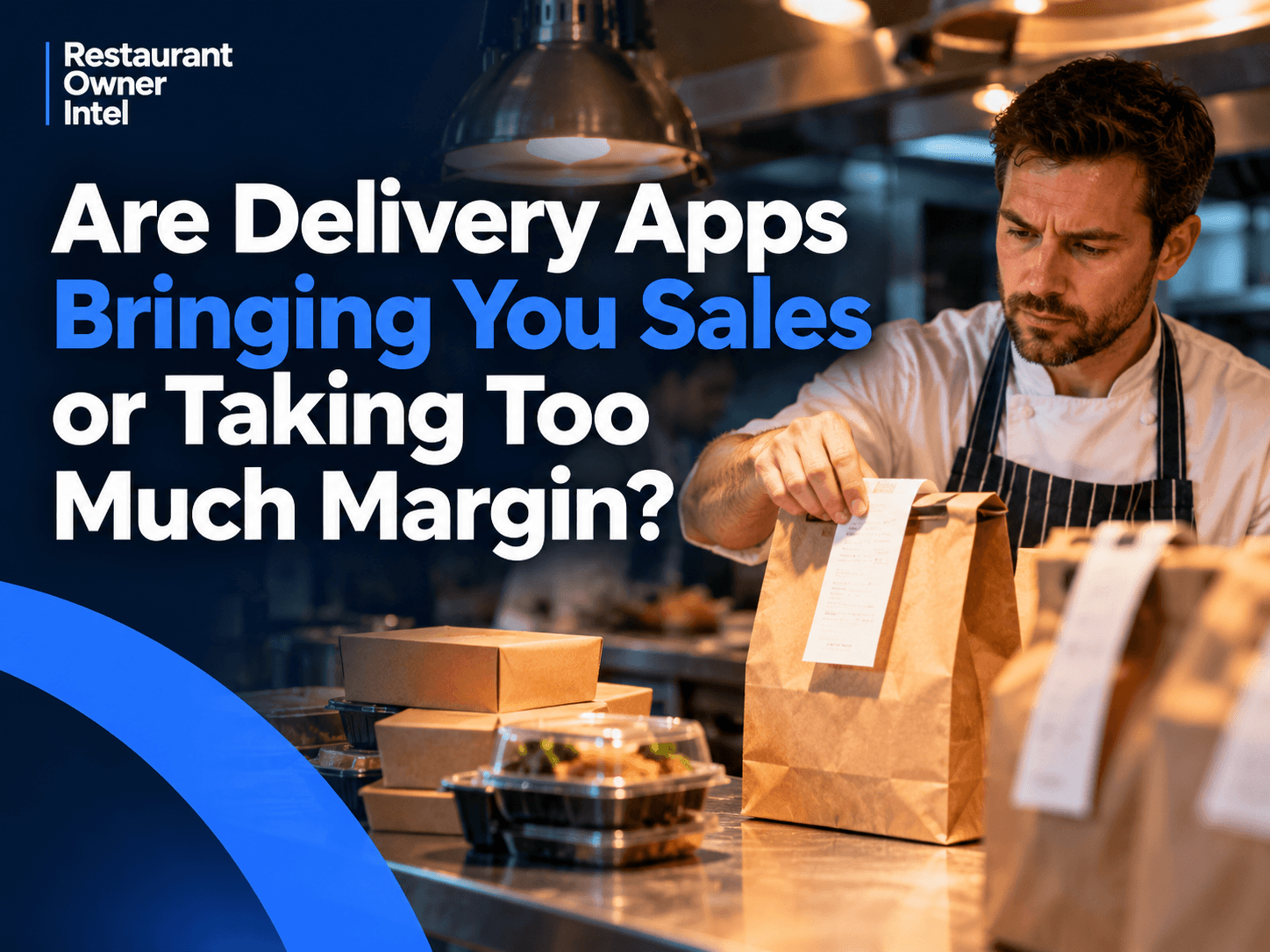
Are Delivery Apps Bringing You Sales or Taking Too Much Margin?
Delivery apps can keep your kitchen busy and your sales figures climbing. But how much of that money are you actually keeping? Here's how to uncover the real cost of restaurant delivery apps, protect your profit margins and make every order work harder for your business.
Oct 17, 2026
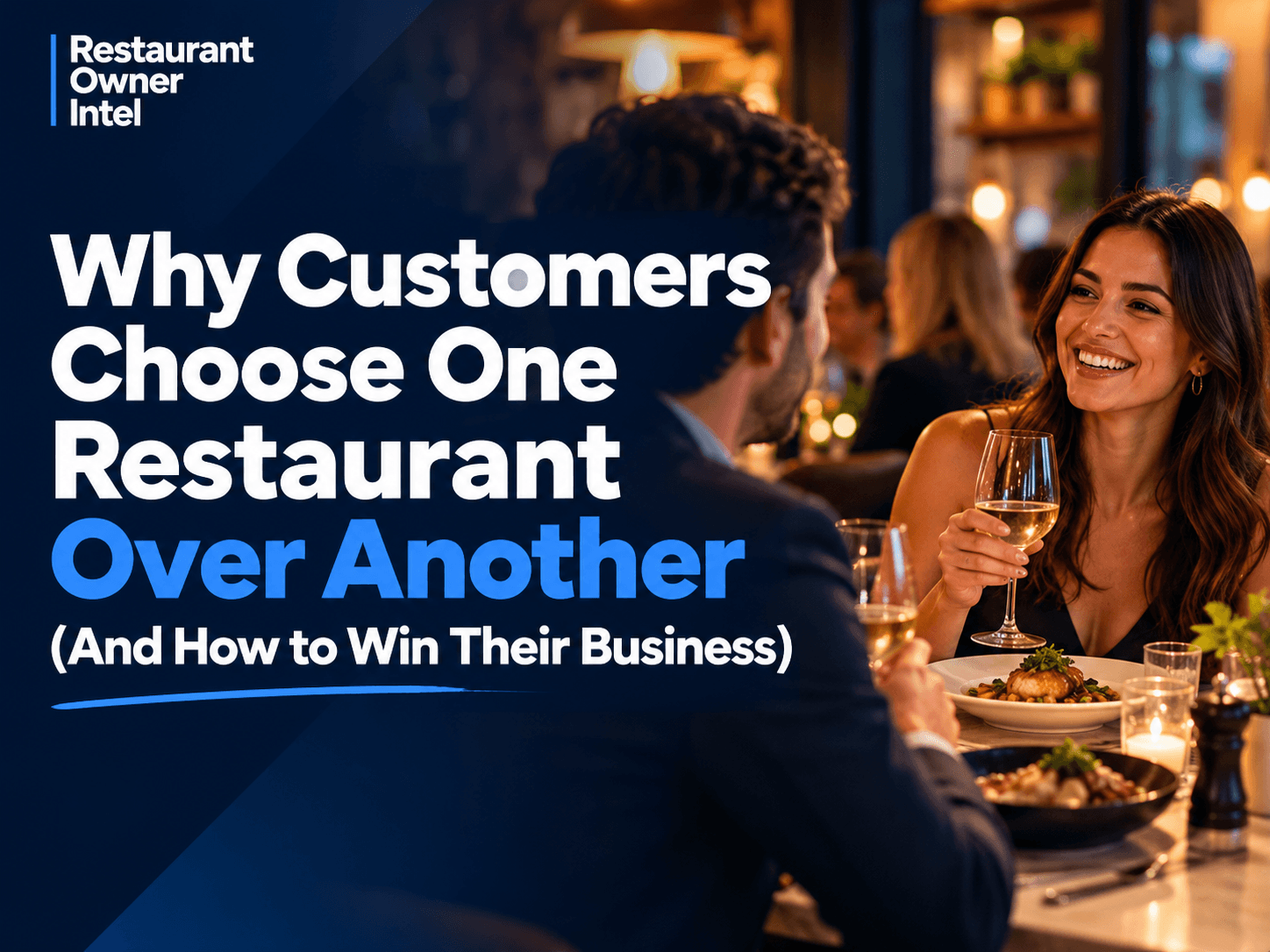
Why Customers Choose One Restaurant Over Another (And How to Win Their Business)
Why Customers Choose One Restaurant Over Another comes down to more than food and price. Understanding the psychology behind dining decisions can help your restaurant attract more customers, win bookings and build repeat business.
Oct 16, 2026
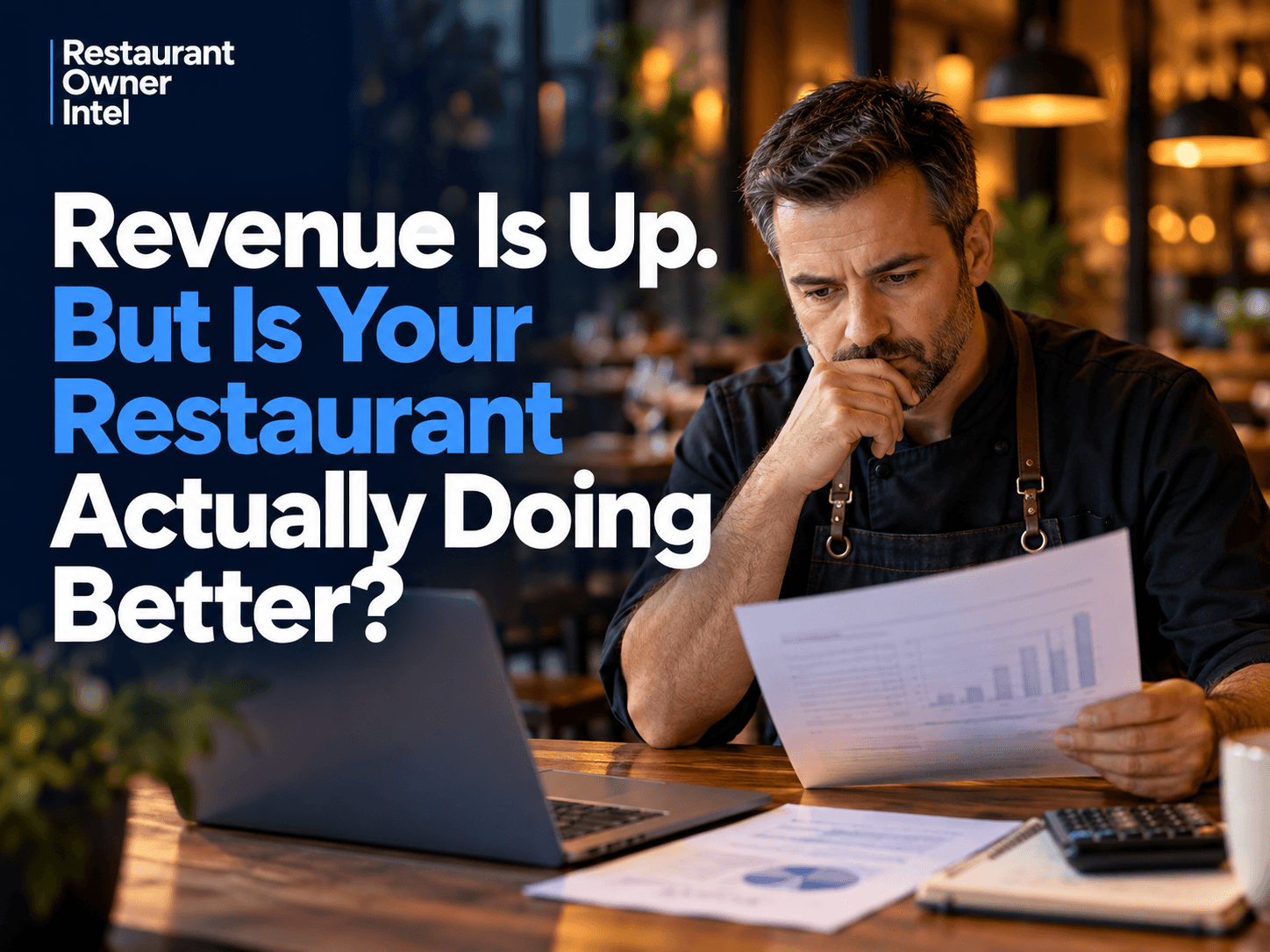
Revenue Is Up. But Is Your Restaurant Actually Doing Better?
Higher sales can create the impression of a healthier restaurant business. But unless customer numbers, operating costs and profit margins are improving too, revenue growth may be hiding a very different story.
0 Comments
Join the conversation
Be the first to comment
Share your thoughts above.