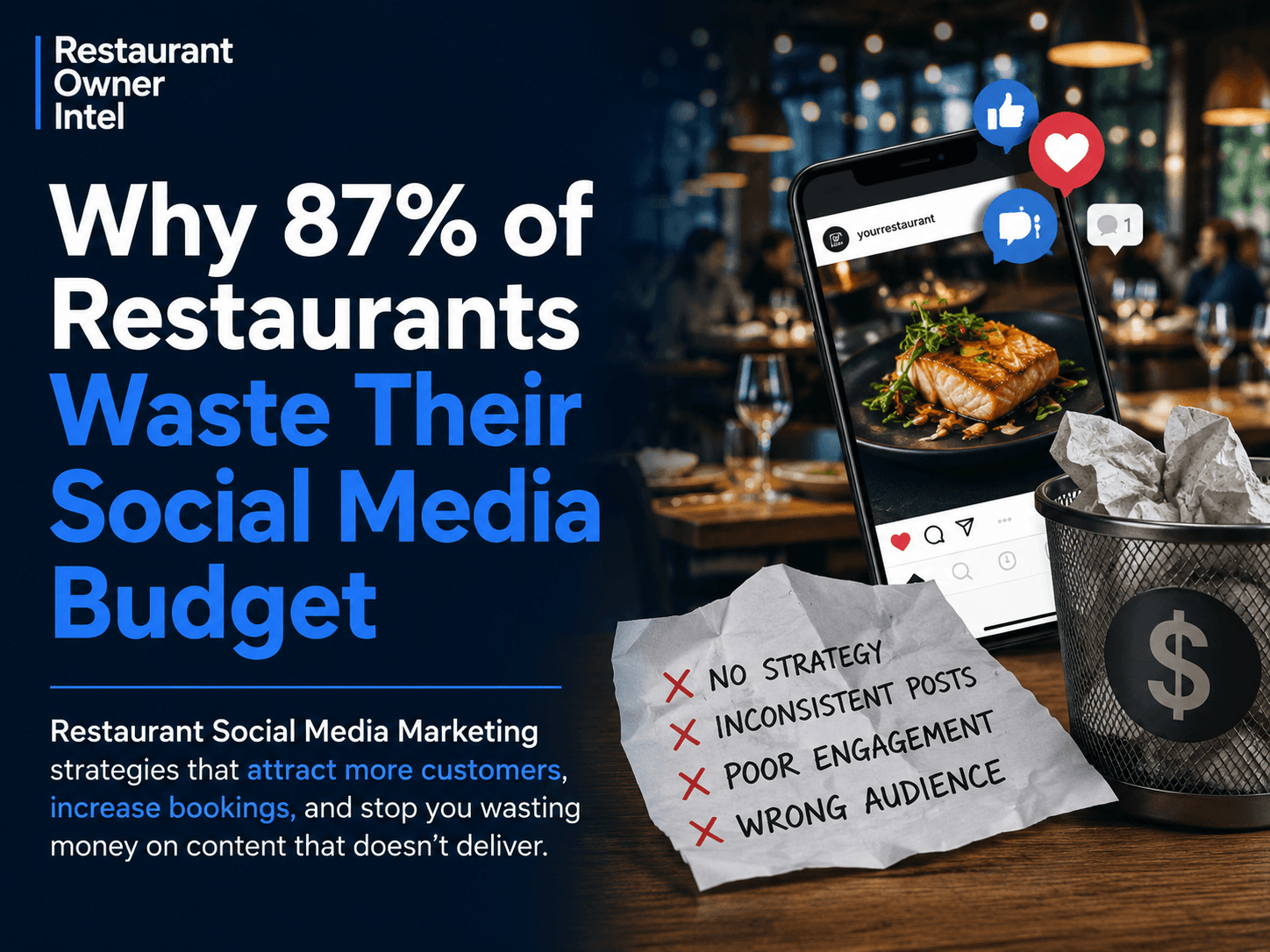
Why 87% of Restaurants Waste Their Social Media Budget
Restaurant Social Media Marketing strategies that attract more customers, increase bookings, and stop you wasting money on content that doesn't deliver.
Restaurant social media marketing turns empty tables into full dining rooms faster than anything else. Your competitors post daily while you wonder where customers went. Every photo you don't share is a reservation someone else books. The platforms reward consistency more than perfection.
Why Restaurant Social Media Marketing Drives More Foot Traffic
People search for dinner options on Instagram before they check Google Maps. They scroll through restaurant profiles looking at recent posts and stories. Fresh content signals your business is open and active right now.
A single mouth-watering photo can generate walk-ins within hours. Someone sees your post at lunch and decides to visit for dinner. This happens daily when you maintain an active presence online.
Reviews matter less when your feed shows exactly what diners get. Photos eliminate guesswork. Videos show atmosphere and energy. Potential customers make decisions based on what they see from you directly. Platform Selection for Restaurant Social Media Marketing Success
Instagram works best for most restaurants because food is inherently visual. Your dishes photograph well or they don't. There's no middle ground here.
Facebook reaches an older demographic with higher spending power. They book reservations for special occasions and larger groups. This platform also handles events and community engagement effectively. TikTok captures younger diners who visit multiple times per month.
Quick videos showing kitchen prep or staff personality perform exceptionally well. The algorithm pushes local content to nearby users automatically.
Choose two platforms maximum when starting out. Splitting attention across five networks produces weak results everywhere. Master two before expanding further. Content Types That Fill Seats Through Restaurant Social Media Marketing
Daily specials posted each morning catch people planning their meals. Include the dish name and price in the caption. Shooting these takes three minutes per day maximum.
Behind-the-scenes content humanizes your operation. Show your chef prepping ingredients or staff setting up for service. People connect with faces more than food alone.
Customer photos reposted to your stories provide social proof instantly. Ask permission first. Tag the original poster. This costs nothing and builds community simultaneously.
Time-sensitive offers create urgency that drives immediate action. Happy hour reminders posted at 3 PM convert scroll into visits. Limited-time items generate fear of missing out effectively.
Staff spotlights introduce your team to future regulars. One post per week highlighting a different employee works perfectly. Include their favorite menu item and how long they've worked there. Posting Frequency and Timing Strategies
Post once daily minimum to stay visible in follower feeds. The algorithm penalizes inactive accounts by showing their content less frequently. Consistency beats viral moments every single time.
Morning posts between 8 and 10 AM reach people planning their day. Lunch content goes out around 11 AM when hunger starts building. Dinner posts perform best between 3 and 5 PM.
Stories disappear after 24 hours so you can post more liberally there. Three to five stories per day keeps you present without overwhelming followers. Show quick updates and real-time moments here.
Weekend content needs scheduling by Thursday afternoon. People make dining plans earlier than you think. Friday and Saturday posts should go live before noon Friday. Photography Basics That Make Restaurant Social Media Marketing Work
Natural light near windows produces better food photos than professional equipment. Shoot between 10 AM and 2 PM when daylight is strongest. Overhead lighting creates harsh shadows you can't fix later.
Compose shots with negative space instead of cramming everything into frame. One perfectly plated dish outperforms three crowded onto the same table. Simplicity reads better on small phone screens.
Photograph from slightly above at a 45-degree angle for most dishes. Flat lays work for pizza and full table spreads. Straight-on angles suit burgers and sandwiches showing height and layers.
Edit minimally using only brightness and contrast adjustments. Heavy filters make food look artificial and unappetizing. Your goal is accurate representation that makes people hungry immediately. Engagement Tactics for Restaurant Social Media Marketing Growth
Respond to every comment within two hours during business hours. Quick replies signal attentiveness that extends beyond social media. People notice when restaurants ignore their questions or compliments.
Ask questions in captions to encourage comment activity. Which side dish should we add next week gets more engagement than descriptive text alone. The algorithm rewards posts generating conversations.
Run simple contests requiring tags and shares to enter. Winner gets a gift card or free appetizer. These expand your reach to friends of current followers organically.
Partner with local food bloggers for honest reviews and features. Send them a complimentary meal in exchange for coverage. Their established audiences discover your restaurant through trusted recommendations.
Geotag every single post with your exact location. This makes your content discoverable to people searching that area. Tourists and newcomers find restaurants through location tags constantly. Paid Advertising Approaches Within Restaurant Social Media Marketing
Start with a $5 daily budget boosting your best-performing posts. Target people within three miles of your location. Age and interest filters matter less than proximity for restaurants.
Promote posts showing your most photogenic signature dishes. These convert better than generic restaurant exterior shots. Focus spending on content already proving popular organically.
Run ads Thursday through Saturday when dining decisions happen most. Pause spending Sunday through Wednesday unless you need weekday traffic specifically. Concentrate budget when it converts best.
Retarget people who visited your profile but didn't follow. They showed interest once and need a gentle reminder. These warm audiences convert at higher rates than cold targeting. Measuring What Actually Matters
Track saves and shares rather than just likes. Saves mean people want to reference your post later for visits. Shares expose your content to entirely new potential customers.
Monitor website clicks and direction requests from your profile. These indicate serious purchase intent beyond passive scrolling. High engagement without clicks suggests your content entertains but doesn't convert.
Compare posting days against reservation or sales data. You'll spot which content types actually drive revenue versus vanity metrics. Adjust your strategy based on money generated not follower counts.
Watch which posts attract profile visits from non-followers. This shows content breaking beyond your existing audience successfully. Replicate whatever made those posts discoverable to new people. Common Mistakes Killing Your Results
Posting only when you remember creates inconsistent visibility. Followers forget about you between sporadic updates. Set phone reminders or schedule content in advance instead.
Using too many hashtags looks desperate and spammy. Five to eight relevant tags work better than thirty generic ones. Focus on location-based and cuisine-specific hashtags only.
Ignoring negative comments makes problems worse publicly. Address concerns professionally and offer to resolve issues privately. Other viewers watch how you handle criticism carefully.
Copying competitor content produces identical results at best. Your unique personality and dishes differentiate you from nearby options. Show what makes your restaurant specifically worth visiting.
Create a simple content calendar today and commit to posting for 30 consecutive days. Frequently Asked QuestionsHow often should restaurants post on social media?Post at least once daily on your primary platform for consistent visibility. Add three to five Instagram stories throughout the day for maximum reach. Consistency matters more than occasional viral content. Which social media platform works best for restaurants?Instagram delivers the best results for most restaurants because food is visual. Facebook works well for reaching older demographics and promoting events. Start with these two before expanding to other platforms. Do restaurants need professional photos for social media?You don't need professional equipment to create effective social media content. Natural window light and a smartphone camera produce excellent results. Focus on composition and accurate color representation over expensive gear. How much should restaurants spend on social media advertising?Begin with $5 to $10 daily targeting people within three miles. Test boosting your best-performing organic posts first. Increase spending only after confirming ads generate measurable foot traffic or reservations. What should restaurants post besides food photos?Share behind-the-scenes kitchen prep, staff spotlights, and customer testimonials regularly. Post daily specials, limited-time offers, and event announcements. Mix educational content like ingredient sourcing with personality-driven stories about your team. |
Free AI Restaurant Growth Plan |
Curious what growth opportunities your restaurant might be missing? Our free AI-powered Growth Plan analyses your restaurant's online presence, marketing and growth goals to identify opportunities you may not have considered.
|
Oct 19, 2026
Restaurant Technology: Which Tools Are Actually Worth the Investment?
From POS systems and booking software to AI and staff scheduling, here's how to choose restaurant technology that earns its place in your budget, protects your margins and makes running your business easier.
Oct 18, 2026
How to Fill Quiet Restaurant Nights Without Offering Discounts
Empty tables on a Tuesday or Wednesday can be expensive. But cutting prices isn't the only way to bring customers through the door. These practical restaurant marketing ideas can help you increase midweek bookings, give diners a reason to visit and protect your profit margins.
Oct 18, 2026
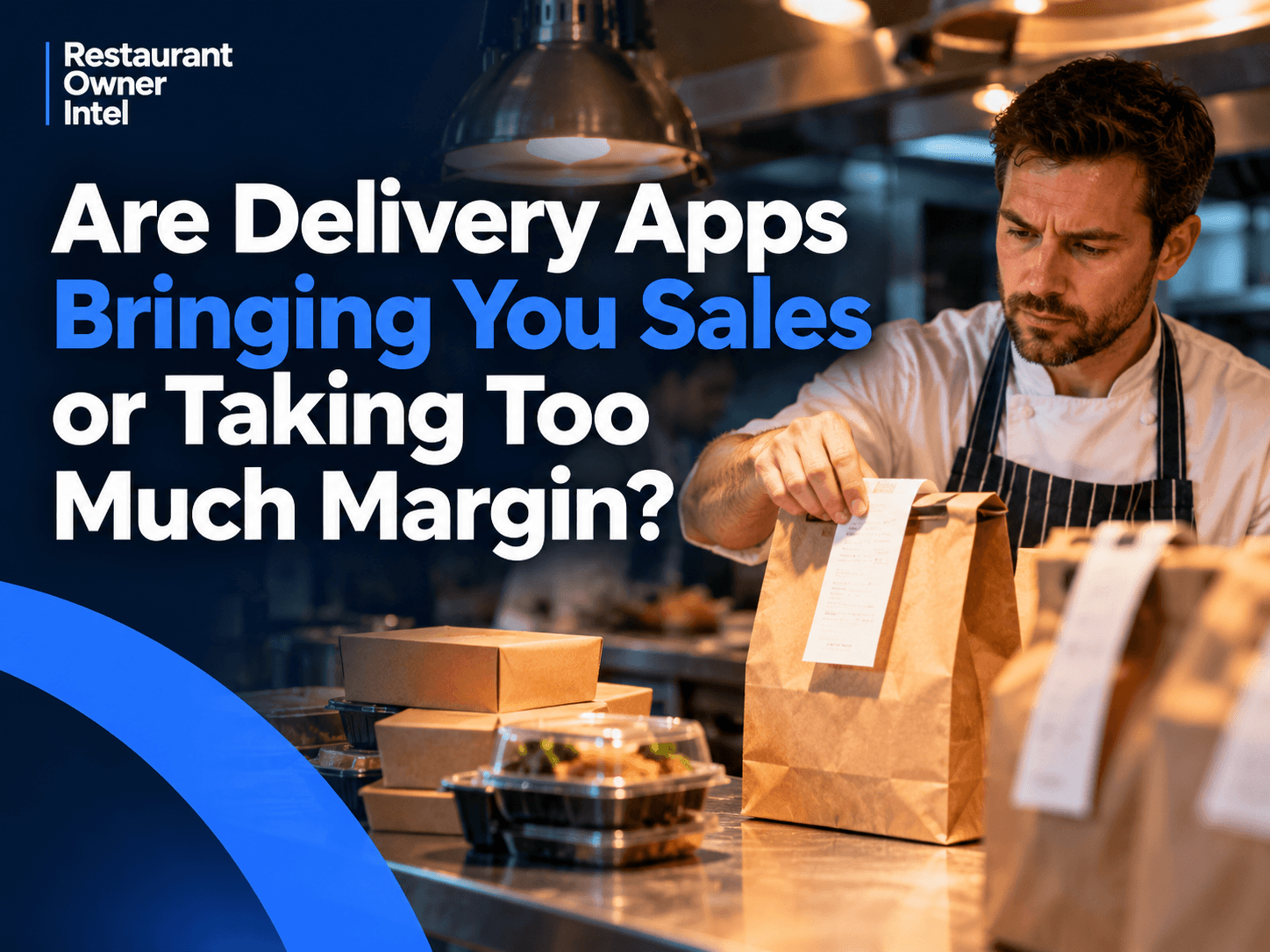
Are Delivery Apps Bringing You Sales or Taking Too Much Margin?
Delivery apps can keep your kitchen busy and your sales figures climbing. But how much of that money are you actually keeping? Here's how to uncover the real cost of restaurant delivery apps, protect your profit margins and make every order work harder for your business.
Oct 17, 2026
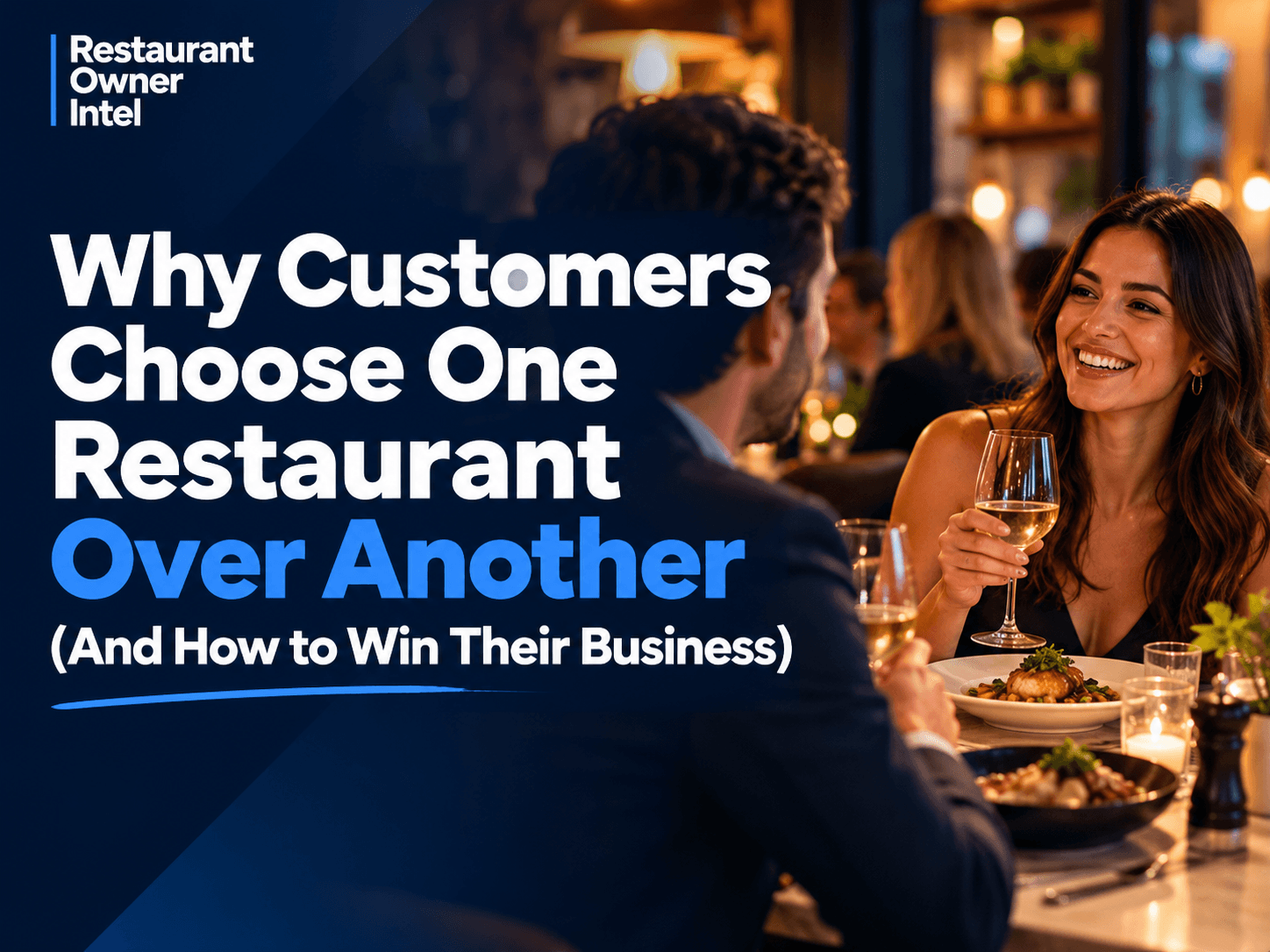
Why Customers Choose One Restaurant Over Another (And How to Win Their Business)
Why Customers Choose One Restaurant Over Another comes down to more than food and price. Understanding the psychology behind dining decisions can help your restaurant attract more customers, win bookings and build repeat business.
0 Comments
Join the conversation
Be the first to comment
Share your thoughts above.