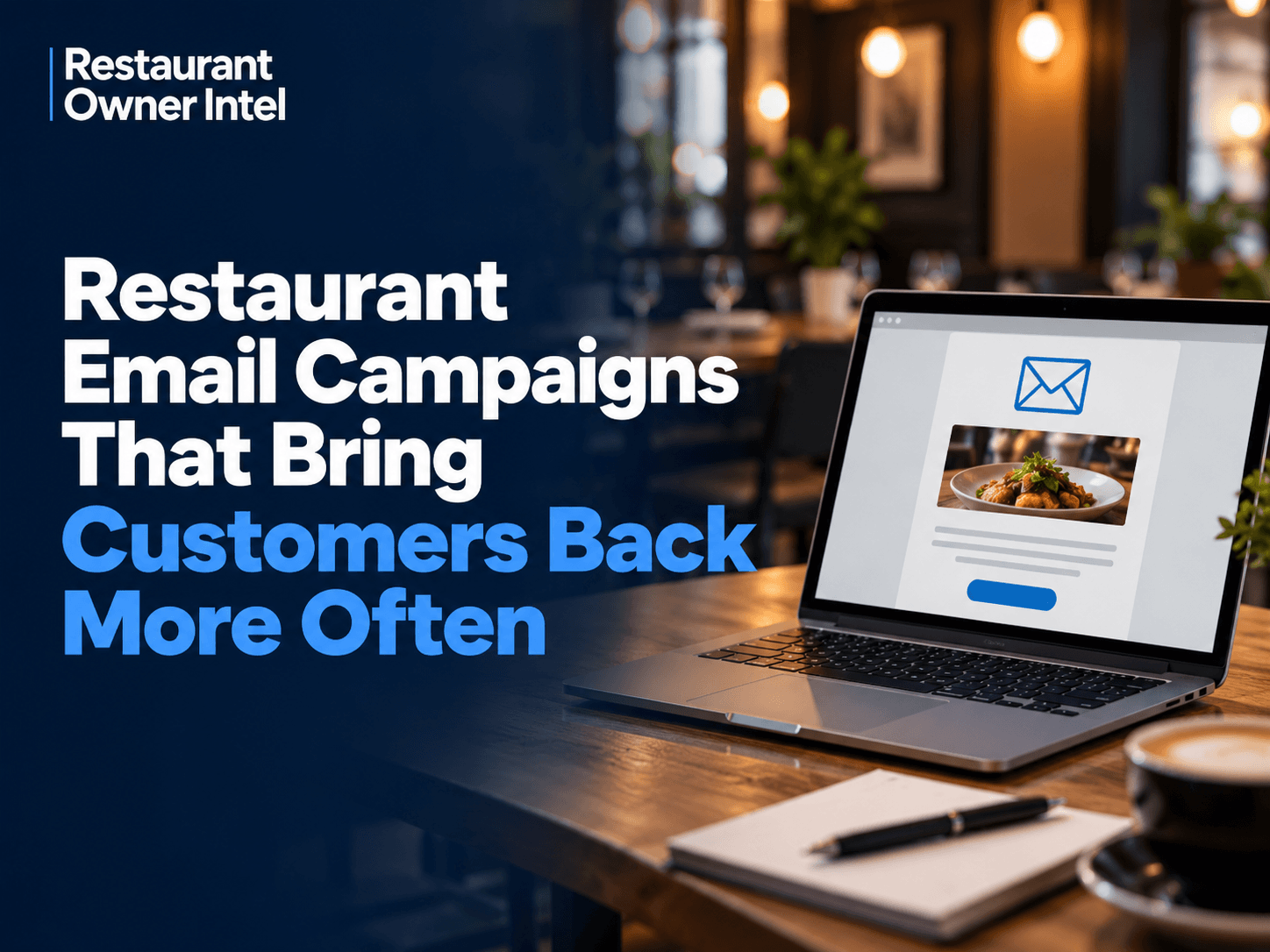
Restaurant Email Campaigns That Bring Customers Back More Often
Restaurant email campaigns that bring customers back more often can increase repeat visits, fill quieter services and build stronger customer loyalty.
A customer visits your restaurant, enjoys the meal, pays the bill and leaves. What happens next? For plenty of restaurants, the answer is very little. The restaurant waits for the customer to remember them, see a social media post, walk past the premises or decide independently that it is time to return. That leaves repeat business largely to chance. Email gives you another option. Used properly, restaurant email campaigns that bring customers back more often can put your restaurant in front of previous customers at the right moment and give them a genuine reason to visit again. The important part is knowing what to send. Email gives you something social media cannotSocial media is useful, but you do not control how many followers see each post. Email works differently. Once a customer has chosen to join your email list, you have a direct way to communicate with them without relying entirely on a social media algorithm. That makes an email database a valuable restaurant asset. More importantly, the people on it already know something about your business. Some have eaten with you. Some have booked before. Some may have joined after visiting your website or responding to an offer. You are not always trying to persuade a complete stranger to choose your restaurant. Often, you are reminding somebody who already knows you why they should come back. Here are several campaigns worth building. 1. The “something new” campaignCustomers need reasons to return. A new dish, seasonal menu, cocktail, lunch offer or terrace reopening gives you one. Instead of sending a generic email saying: “Come and visit us soon.” give the customer something specific to come back for. For example: Our autumn menu arrives this Friday. Then show two or three dishes, explain what is new and provide a clear booking link. The commercial principle is simple. Newness creates a reason to reconsider a restaurant customers already know. This campaign works particularly well around:
You do not need to reinvent the restaurant every month. You need enough genuine change to give customers something worth talking about. 2. The quiet-night campaignA half-empty Tuesday is perishable inventory. Once Tuesday evening has passed, those empty tables cannot be sold again. Email can help you target quieter periods without discounting your entire business. Suppose Friday and Saturday are already strong, but Tuesday and Wednesday are consistently soft. Build campaigns specifically around those services. You might promote: Tuesday Steak Night Wednesday Pasta & Wine Midweek Set Menu Thursday Date Night The offer does not necessarily need to mean a large discount. It could be an exclusive dish, fixed-price menu, complimentary small plate or experience that is only available on that particular day. The objective is to give customers a reason to move a visit from a busy night to one where you have spare capacity. That can be more valuable than sending a broad promotion that also discounts tables you could have sold at full price. 3. The birthday campaignBirthdays create a natural reason to eat out. If customers voluntarily provide their birthday or birth month when joining your email list, you can build a simple automated campaign around it. The email might arrive two or three weeks beforehand: Celebrating next month? We'd love to have you back. You can then remind them about group bookings, sharing menus, private areas or anything else relevant to celebrations. You might choose to include an incentive, but you do not have to. The bigger opportunity is timing. You are reaching somebody when they may already be deciding where to celebrate. And one birthday booking may produce a table of six rather than a table of two. 4. The “we haven't seen you” campaignSome customers visit regularly and then disappear. If your booking, loyalty or email system allows you to identify customers who have not visited for a defined period, create a reactivation campaign. For example: It's been a while. Here's what's changed since your last visit. Then give them something useful: A new menu. A renovated dining room. A new Sunday lunch. A seasonal special. A forthcoming event. This is better than simply saying you miss them. Give the customer a reason to reconsider you. An incentive can be tested here if appropriate, but do not automatically assume a discount is required. First test whether a strong reason to return is enough. 5. The event campaignEvents give email marketing a deadline. That is useful because deadlines create a reason to act. Think about:
The mistake is sending one email and assuming the job is finished. Instead, build a short campaign. An event six weeks away might justify an initial announcement, a reminder and a final availability email. The messages should change as the event approaches. Early email: Bookings are now open. Later email: Here's what we're serving. Final email: Limited tables remain. One event can therefore create several legitimate reasons to contact your database without repeatedly sending the same message. 6. The “customer favourite” campaignYou do not always need something new. Sometimes you should promote what already works. If one dish is repeatedly praised, photographed or reordered, build an email around it. Tell customers why it is popular. Show a strong photograph. Explain something interesting about the ingredients or preparation. Then invite them back. This can be particularly effective for high-margin dishes you would like to sell more frequently. The same idea can work for:
Your best-selling products already have evidence behind them. Use that. 7. The useful newsletterNot every restaurant email needs to sell immediately. A useful monthly or fortnightly newsletter can keep the restaurant familiar between visits. But “useful” does not mean filling an email with restaurant news nobody outside the business cares about. Think from the customer's perspective. What is new on the menu? What events are coming up? What should they book early? What seasonal ingredient has arrived? What is the chef cooking this month? What is happening locally that could be combined with a meal? The objective is regular, relevant contact. When the customer next thinks about eating out, you want your restaurant to be easier to remember. Stop making every email a discountDiscounts can generate responses. They can also train customers to wait. If every email contains 20% off, a free main course or another voucher, the offer can become the reason customers open your emails rather than the restaurant itself. That can damage margin and change customer expectations. Before offering a discount, ask: Could we create a reason to visit instead? A new dish is a reason. An event is a reason. A limited menu is a reason. A seasonal special is a reason. An anniversary is a reason. A quieter-night experience is a reason. Use price incentives deliberately rather than automatically. One email should have one main jobRestaurant emails often become cluttered. The owner wants to mention the new menu, Sunday lunch, Christmas bookings, gift vouchers, takeaway and an upcoming music night in one message. The result is five competing calls to action. Decide what the email is supposed to achieve. If the objective is to generate Wednesday bookings, make Wednesday the focus. If the objective is Mother's Day bookings, make Mother's Day the focus. If the objective is to launch a new menu, make the menu the focus. You can include secondary information, but there should be one obvious next action. Usually: View the menu. Book a table. Reserve your place. See the event details. Make it easy for an interested customer to act. Segment your list before sending more emailsSending every message to every subscriber is simple. It is not always sensible. Even basic segmentation can make restaurant email campaigns more relevant. You might separate customers by:
Imagine you are launching a new Sunday lunch. Customers who have previously booked Sunday lunch may be a particularly relevant audience. A generic email to 10,000 people is not automatically better than a highly relevant email to 1,500. The number that matters is what customers do next. Measure bookings, not just opensEmail platforms make open rates easy to see. Restaurant owners should look further. Ask: How many people clicked the booking link? How many bookings did the campaign generate? What was the average booking size? Which campaign generated the strongest response? Did a quiet service become busier? Did customers return after a reactivation campaign? Where your systems allow it, connect email activity to actual customer behaviour. A campaign with a lower open rate but 20 profitable bookings may be more useful than one with a high open rate and very little action. The purpose of restaurant email marketing is not to win an email marketing competition. It is to support the restaurant. A simple monthly restaurant email planYou do not need to email customers every day. Start with a manageable system. A simple month might look like this: Week 1: Promote something new. Week 2: Promote a quieter service or specific occasion. Week 3: Feature a customer favourite, event or useful restaurant update. Week 4: Send a targeted campaign to a relevant customer segment. Alongside these, automated birthday or lapsed-customer emails can run when appropriate. Four useful emails are better than twelve messages sent because somebody decided the restaurant “should be doing more email marketing.” Before sending your next restaurant emailRun through this quick check:
If you cannot explain what you want the customer to do after reading the email, the campaign probably needs more work. Your action this weekLook at the next four weeks in your booking diary. Find one service that regularly has spare capacity. Then create one email campaign specifically designed to give previous customers a reason to visit during that period. Do not begin with a discount. Begin with this question: What could we offer, feature or communicate that would make somebody genuinely want to come back? That is where effective restaurant email campaigns that bring customers back more often begin. |
Restaurant Owner Resource |
Free AI Restaurant Growth Plan |
Curious what growth opportunities your restaurant might be missing? Our free AI-powered Growth Plan analyses your restaurant's online presence, marketing and growth goals to identify opportunities you may not have considered.
|
Oct 18, 2026
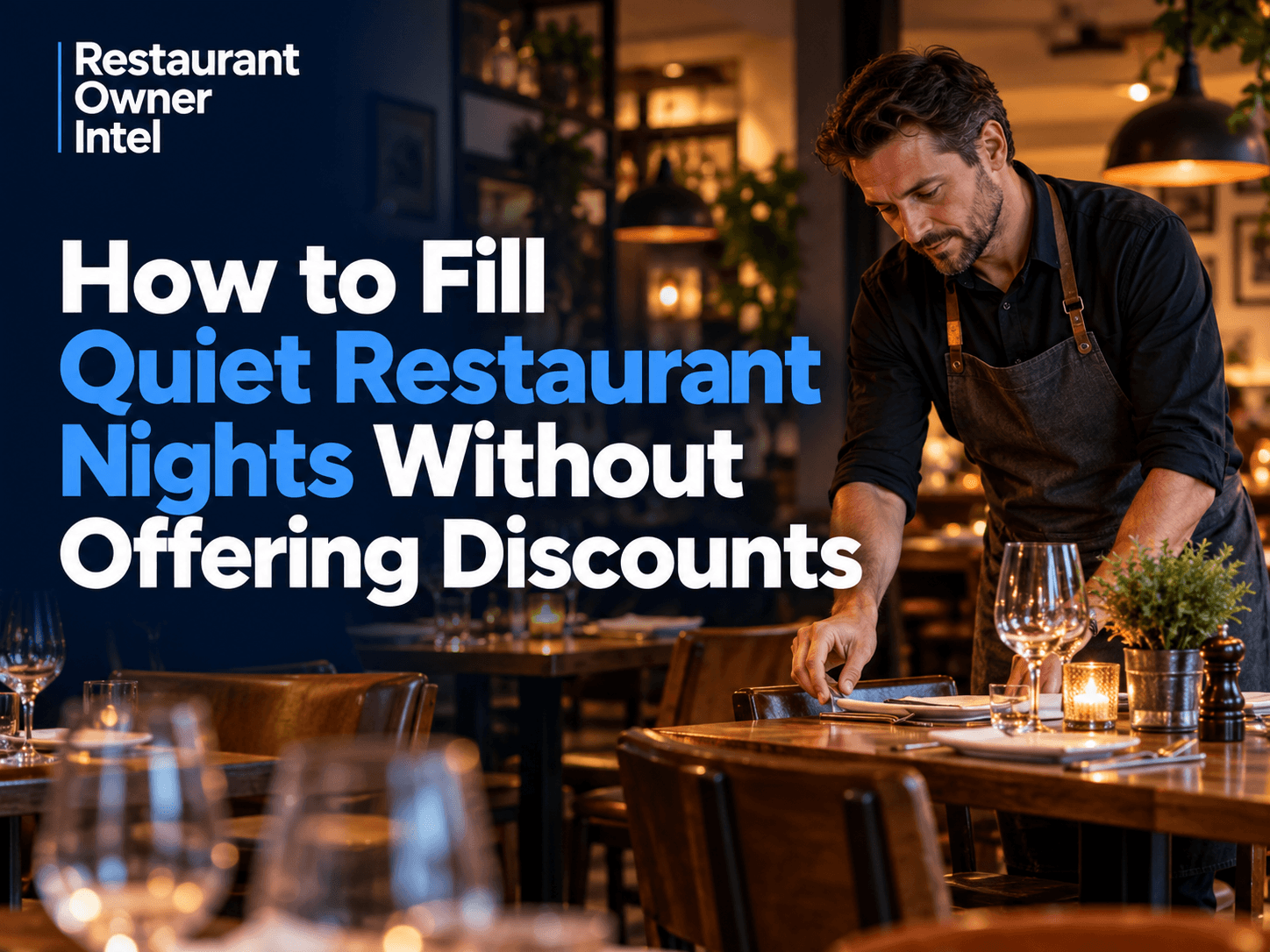
How to Fill Quiet Restaurant Nights Without Offering Discounts
Empty tables on a Tuesday or Wednesday can be expensive. But cutting prices isn't the only way to bring customers through the door. These practical restaurant marketing ideas can help you increase midweek bookings, give diners a reason to visit and protect your profit margins.

Oct 18, 2026
Are Delivery Apps Bringing You Sales or Taking Too Much Margin?
Delivery apps can keep your kitchen busy and your sales figures climbing. But how much of that money are you actually keeping? Here's how to uncover the real cost of restaurant delivery apps, protect your profit margins and make every order work harder for your business.
Oct 17, 2026
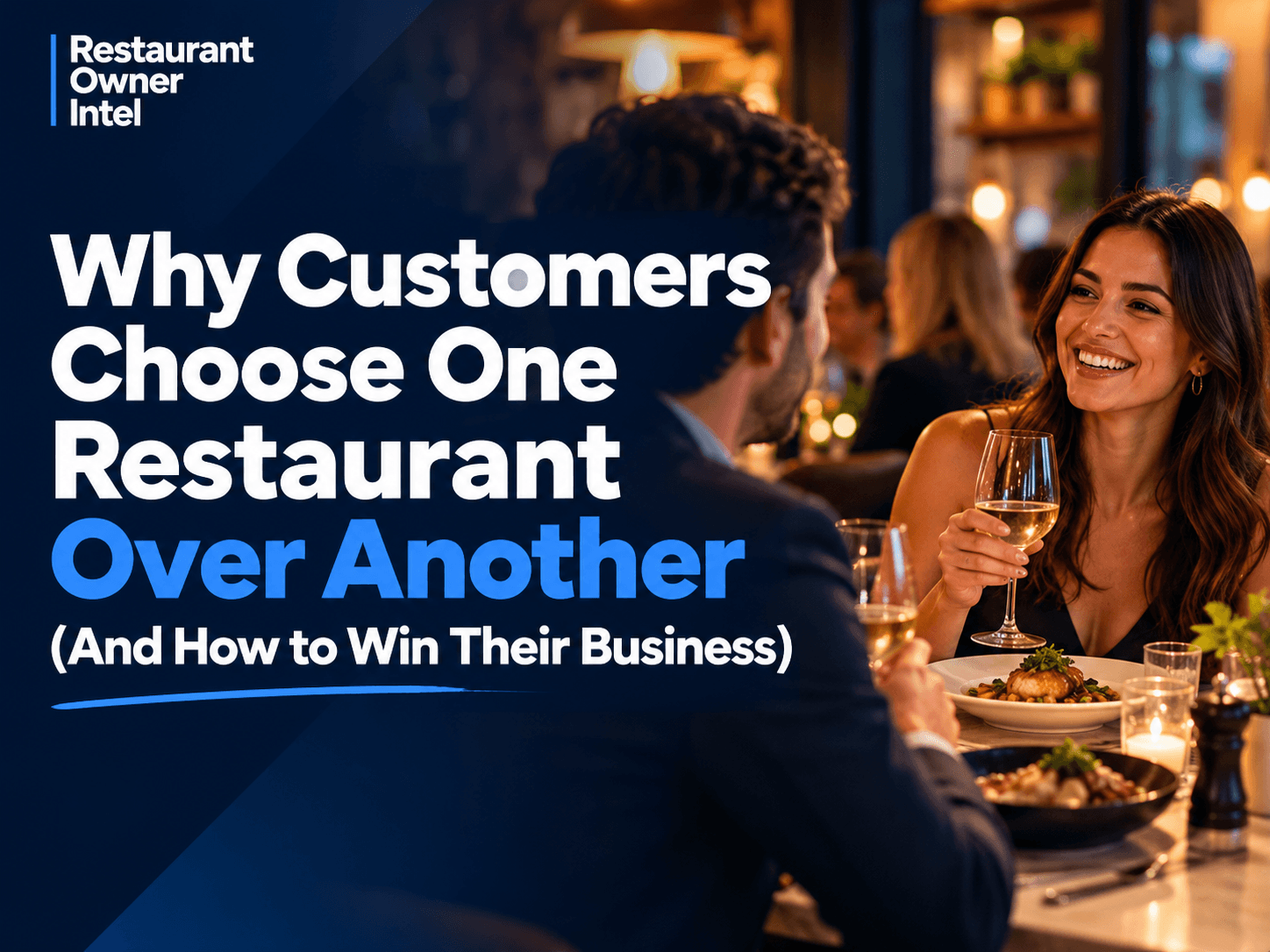
Why Customers Choose One Restaurant Over Another (And How to Win Their Business)
Why Customers Choose One Restaurant Over Another comes down to more than food and price. Understanding the psychology behind dining decisions can help your restaurant attract more customers, win bookings and build repeat business.
Oct 16, 2026
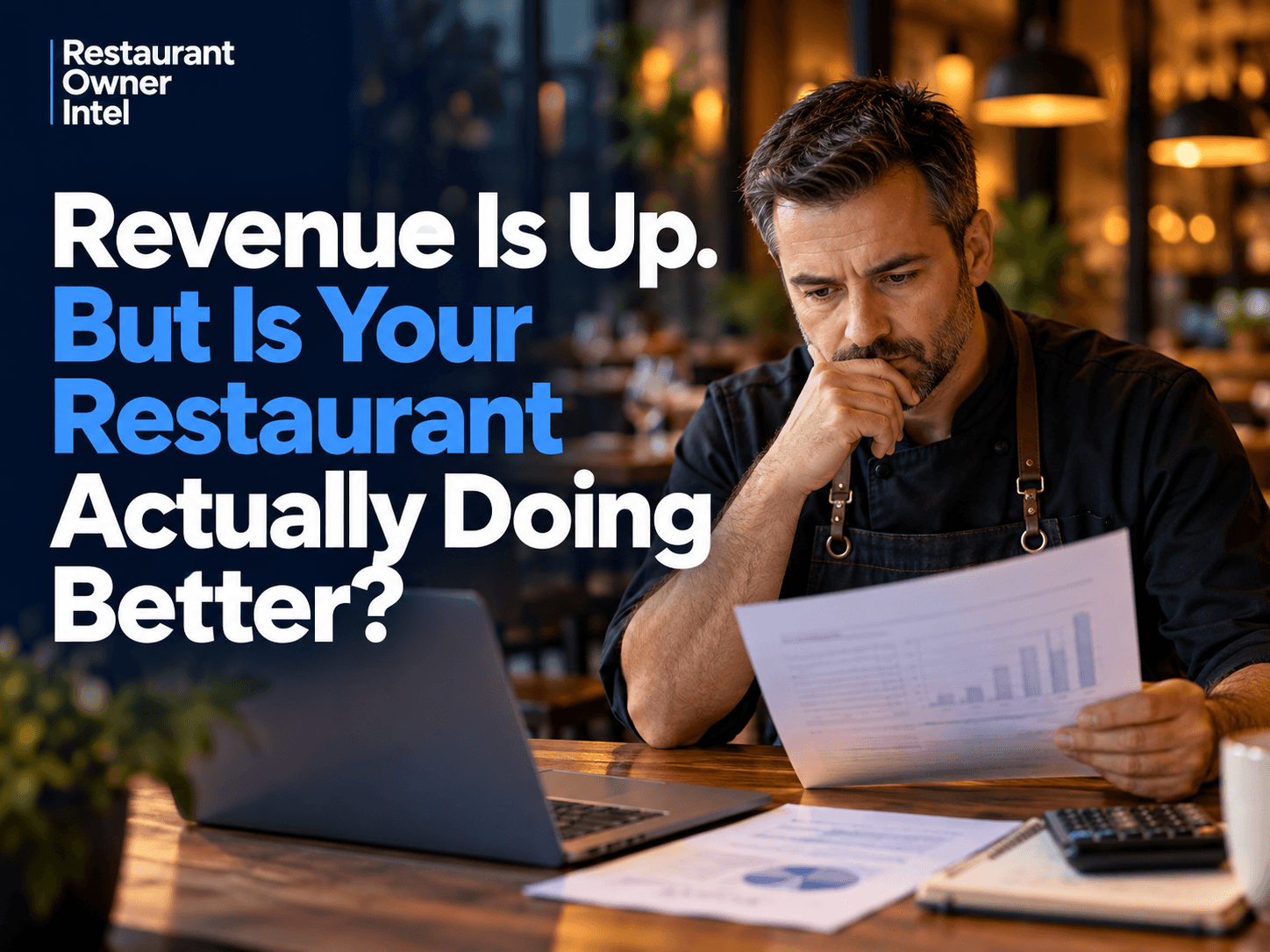
Revenue Is Up. But Is Your Restaurant Actually Doing Better?
Higher sales can create the impression of a healthier restaurant business. But unless customer numbers, operating costs and profit margins are improving too, revenue growth may be hiding a very different story.
0 Comments
Join the conversation
Be the first to comment
Share your thoughts above.