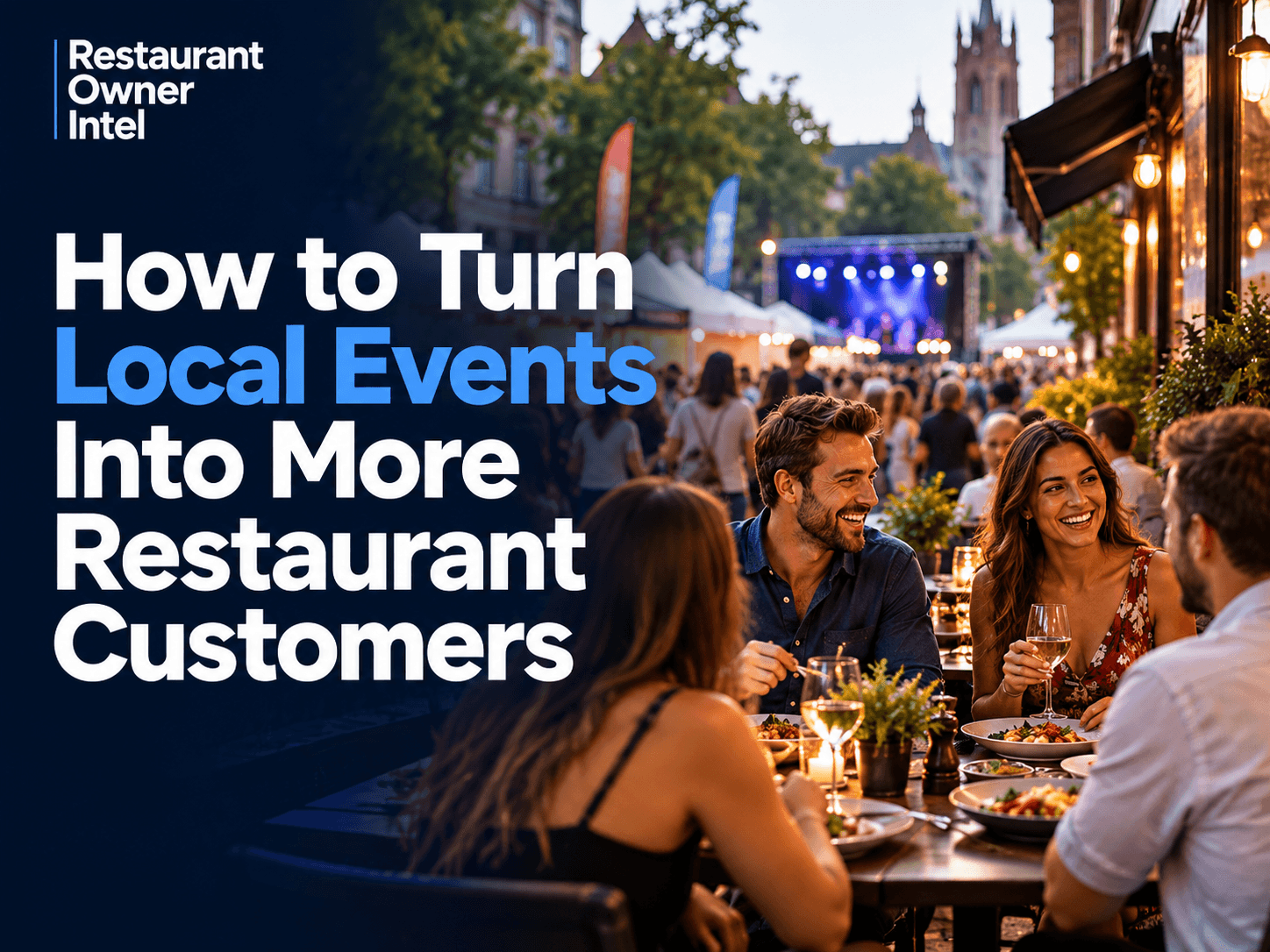
How to Turn Local Events Into More Restaurant Customers
How to Turn Local Events Into More Restaurant Customers with practical marketing ideas that increase bookings, attract local diners and encourage repeat visits.
A large event is taking place just a few streets from your restaurant. Hundreds, perhaps thousands, of people will be in the area. They will need somewhere to eat, meet friends or grab a drink. The opportunity is obvious. But those extra people will not automatically become your customers. The difference between a busy town and a busy restaurant often comes down to preparation. Knowing how to turn local events into more restaurant customers is a practical marketing skill that independent restaurants can use without large advertising budgets. The key is to identify the right events, give people a reason to choose your restaurant and make it easy for them to visit. Here is how to make local events work harder for your business. 1. Find the Events That Could Bring Customers Through Your DoorYour first step is to know what is happening around your restaurant before it happens. Local events can generate additional demand, but some will be far more valuable to your business than others. Look beyond major festivals and concerts. Smaller community events can also create worthwhile opportunities. These might include:
The important question is not how many people attend an event. It is how likely those people are to visit your restaurant. A family restaurant near a theatre might benefit more from a children's afternoon performance than from a late-night music event attracting a completely different audience. Likewise, a restaurant near a conference venue could attract valuable lunchtime bookings from delegates looking for somewhere convenient to eat. Build a Simple Local Events CalendarYou do not need specialist software. Create a spreadsheet covering the next three months and record:
Check local council websites, venue calendars, community Facebook groups, tourism websites and local event organisers. Review the calendar once a month. This gives you time to prepare rather than discovering a major event when customers are already walking past your door. 2. Give Event Visitors a Specific Reason to Choose Your RestaurantBeing close to an event is an advantage. But convenience alone might not be enough. Customers attending events often have limited time. They want somewhere suitable, accessible and reliable. Your restaurant should make the decision easier. For example, if a concert starts at 7:30 pm, you could promote an early-evening dining option designed to get customers served comfortably before the performance. If a local festival attracts families, you might highlight family-friendly meals, children's options and quick lunchtime service. The strongest event promotions solve a specific customer problem. Consider these examples:
You do not always need to discount your food. A convenient booking time, a suitable menu or a clear promise about service can be more valuable than reducing your prices. Focus on making your restaurant the obvious choice for that particular occasion. 3. Start Promoting Before the Event, Not During ItOne of the easiest mistakes is waiting until the event begins before telling people about your restaurant. By then, customers may already have made their dining plans. For events that attract advance visitors, begin promoting your restaurant one or two weeks beforehand. Larger events may justify an earlier campaign. Your marketing does not need to be complicated. Use Your Existing Marketing ChannelsGoogle Business Profile Make sure your opening hours, menu, photographs and booking links are accurate. Where appropriate, publish a timely update about your event-related dining offer. Someone searching for restaurants near an event venue should be able to quickly understand what you offer and how to book. Facebook and Instagram Create posts that connect your restaurant directly to the event. Instead of simply announcing a special offer, explain why visiting your restaurant makes sense. For example: Heading to the theatre on Saturday? Join us for an early dinner before the show. Book your table in advance and enjoy a relaxed meal without rushing. That message is more useful than a generic post announcing that tables are available. Email marketing Your existing customers are an excellent audience for event-related promotions. Send a short email highlighting the event, your restaurant's relevant offering and a direct booking link. For example, a restaurant near a concert venue could email customers who have previously booked early-evening tables. You are reaching people who already know your restaurant and may welcome another reason to visit. Your website If an event is likely to create meaningful demand, make the relevant information easy to find. Highlight your location, booking availability, suitable dining times and any special menu. Customers should not have to search through several pages to discover whether your restaurant fits their plans. 4. Work With Local Event Organisers and Nearby BusinessesLocal marketing becomes more effective when businesses help each other reach customers. Event organisers need to provide visitors with useful information. Restaurants need to attract those visitors. That creates an opportunity for cooperation. Contact organisers of relevant local events and ask whether they provide restaurant recommendations, visitor information or local business listings. You could also approach:
For example, a nearby hotel might appreciate having a reliable restaurant to recommend to guests attending a weekend festival. A theatre might be interested in listing local pre-show dining options on its website. A conference organiser might welcome information about restaurants suitable for delegates. Keep the arrangement straightforward. You are not necessarily asking for a paid partnership. You are offering something useful to their visitors. Where commercial arrangements are involved, agree on the terms before committing. A recommendation from a trusted local business can be more persuasive than another social media advertisement. 5. Make It Easy for Event Customers to Find and Visit YouAttracting attention is only half the job. If customers cannot quickly work out where you are, when you are open or whether they can get a table, they may choose somewhere else. Before a major local event, check the customer journey. Imagine someone standing outside the event venue, searching for somewhere to eat on their phone. Can they easily find your restaurant? Can they see your menu? Can they check your opening hours? Can they book a table or call you immediately? These small details can influence whether someone becomes a customer. Pay Attention to Your Restaurant ExteriorIf the event brings additional foot traffic past your premises, your signage becomes particularly important. Make sure your restaurant looks welcoming and your entrance is easy to identify. Where local rules permit, a clear pavement sign can highlight useful information such as:
Avoid overcrowding signs with multiple offers. People walking past should understand your message within seconds. 6. Prepare Your Restaurant for the Extra DemandSuccessful local event marketing can create operational problems if your restaurant is not ready. A sudden increase in customers may put pressure on kitchen capacity, staffing and service times. That can damage the customer experience and reduce the value of the opportunity. Before promoting an event, consider what your restaurant can realistically handle. Match Your Offer to Your CapacityIf customers need to leave for a performance at a specific time, your kitchen must be able to serve them reliably. A smaller, carefully selected menu may work better than offering every dish during a concentrated rush. Consider promoting dishes that:
You should also review staffing levels against expected demand. An additional team member during a concentrated two-hour period may be worthwhile if it helps you serve more customers efficiently. But do not schedule extra labour based purely on the size of the event. Use booking numbers, previous event performance and realistic walk-in expectations. Extra revenue is only valuable when the additional sales contribute to profit. 7. Turn One-Time Event Visitors Into Repeat CustomersThis is where the longer-term value of event marketing can be overlooked. A customer visiting your restaurant before a concert might never have heard of your business before. They may live locally, work nearby or visit the area regularly. That creates an opportunity beyond the immediate sale. Your goal should be to give those customers a reason to remember your restaurant. Start with the basics. Deliver good food, friendly service and a smooth experience. Then make it easy for customers to stay connected. You could:
For example, a couple visiting before a theatre performance may return for a weekend dinner if they enjoy the experience. But they need to remember your restaurant when that next occasion arrives. An email list, a positive Google review or a memorable customer experience can help keep your business in consideration. The real opportunity is not simply filling tables on event day. It is turning new visitors into future regulars. 8. Measure Whether the Event Actually Made You MoneyA busy restaurant does not automatically mean a successful promotion. If you spend heavily on advertising, add unnecessary staff or discount too aggressively, the extra sales may produce little additional profit. You need a simple way to judge the result. Start by comparing event-day performance with a similar trading day. Look at:
You can also ask customers how they heard about your restaurant. A simple question when taking bookings or welcoming guests can provide useful information. For example: "Are you joining us before the event tonight?" Record the answers where practical. Over time, you will begin to identify which local events genuinely help your business. You may discover that a smaller monthly theatre event generates more profitable bookings than a major annual festival. That information should influence where you spend your marketing time and money. A Simple 14-Day Local Event Marketing PlanYou do not need a complicated campaign to test this approach. Choose one relevant event and follow a straightforward schedule.
Adjust the timetable for the size of the event and how far ahead its visitors typically make dining decisions. The purpose is to create a repeatable process rather than starting from scratch every time something happens locally. The Biggest Mistake: Treating Every Event as an OpportunityNot every event deserves your marketing attention. An event might attract thousands of visitors but generate little demand for your restaurant. The audience may be unsuitable, the location too far away or the timing incompatible with your opening hours. Before investing time or money, ask three questions:
If the answers are unclear, you may be better off focusing on a different event. A targeted promotion for 100 relevant potential customers can be more valuable than trying to reach 5,000 people with little interest in your restaurant. Good local marketing is about attracting the right customers, not simply reaching the largest audience. Make Local Events Part of Your Restaurant Marketing StrategyLocal events bring people into your area, but they do not guarantee that those people will visit your restaurant. That requires planning, relevant offers, clear communication and reliable service. The advantage for independent restaurants is that this type of marketing does not necessarily require a large budget. You already have the location, the food and the customer experience. The opportunity is to connect those strengths with occasions when people are actively looking for somewhere to eat. Done consistently, local event marketing can help you fill quieter trading periods, attract new customers, increase bookings and build repeat business. Your next step: Find one event happening within a reasonable distance of your restaurant in the next 30 days. Identify the audience, choose one relevant dining offer and plan how you will promote it before the event. Then measure the results. One well-executed event promotion can give you a simple marketing approach worth repeating throughout the year. |
Restaurant Owner Resource |
Free AI Restaurant Growth Plan |
Curious what growth opportunities your restaurant might be missing? Our free AI-powered Growth Plan analyses your restaurant's online presence, marketing and growth goals to identify opportunities you may not have considered.
|
Oct 18, 2026
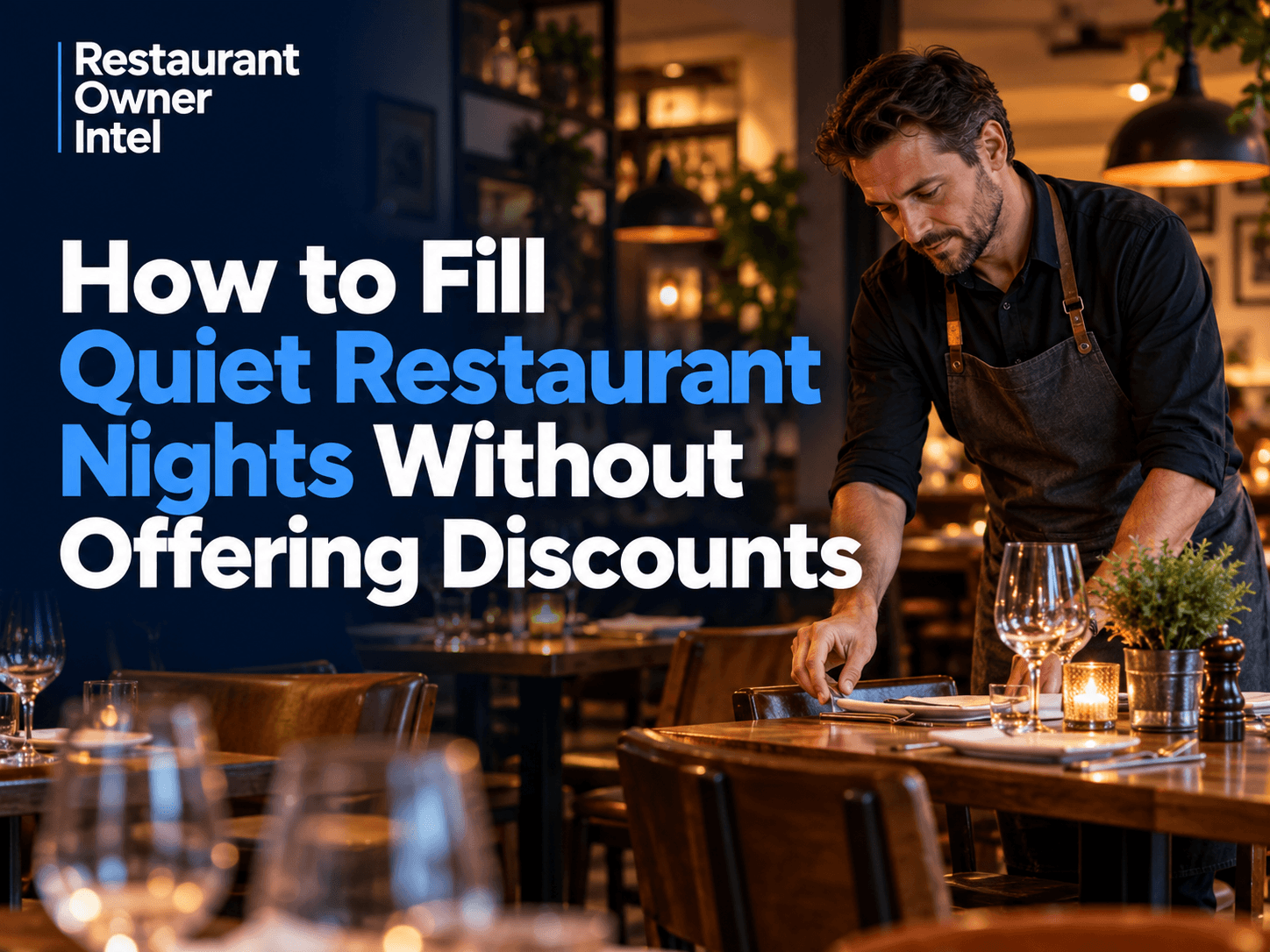
How to Fill Quiet Restaurant Nights Without Offering Discounts
Empty tables on a Tuesday or Wednesday can be expensive. But cutting prices isn't the only way to bring customers through the door. These practical restaurant marketing ideas can help you increase midweek bookings, give diners a reason to visit and protect your profit margins.
Oct 18, 2026
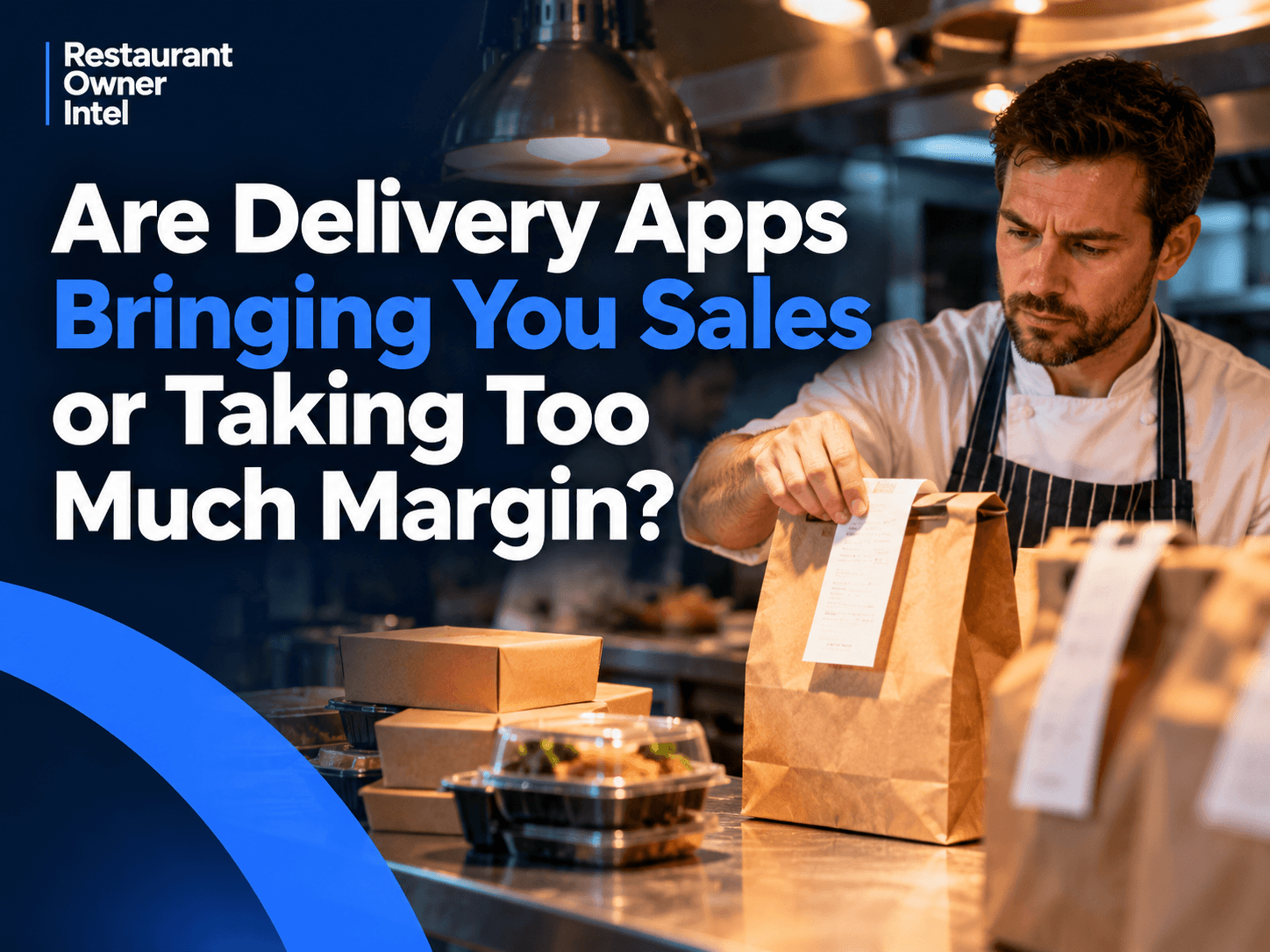
Are Delivery Apps Bringing You Sales or Taking Too Much Margin?
Delivery apps can keep your kitchen busy and your sales figures climbing. But how much of that money are you actually keeping? Here's how to uncover the real cost of restaurant delivery apps, protect your profit margins and make every order work harder for your business.
Oct 17, 2026
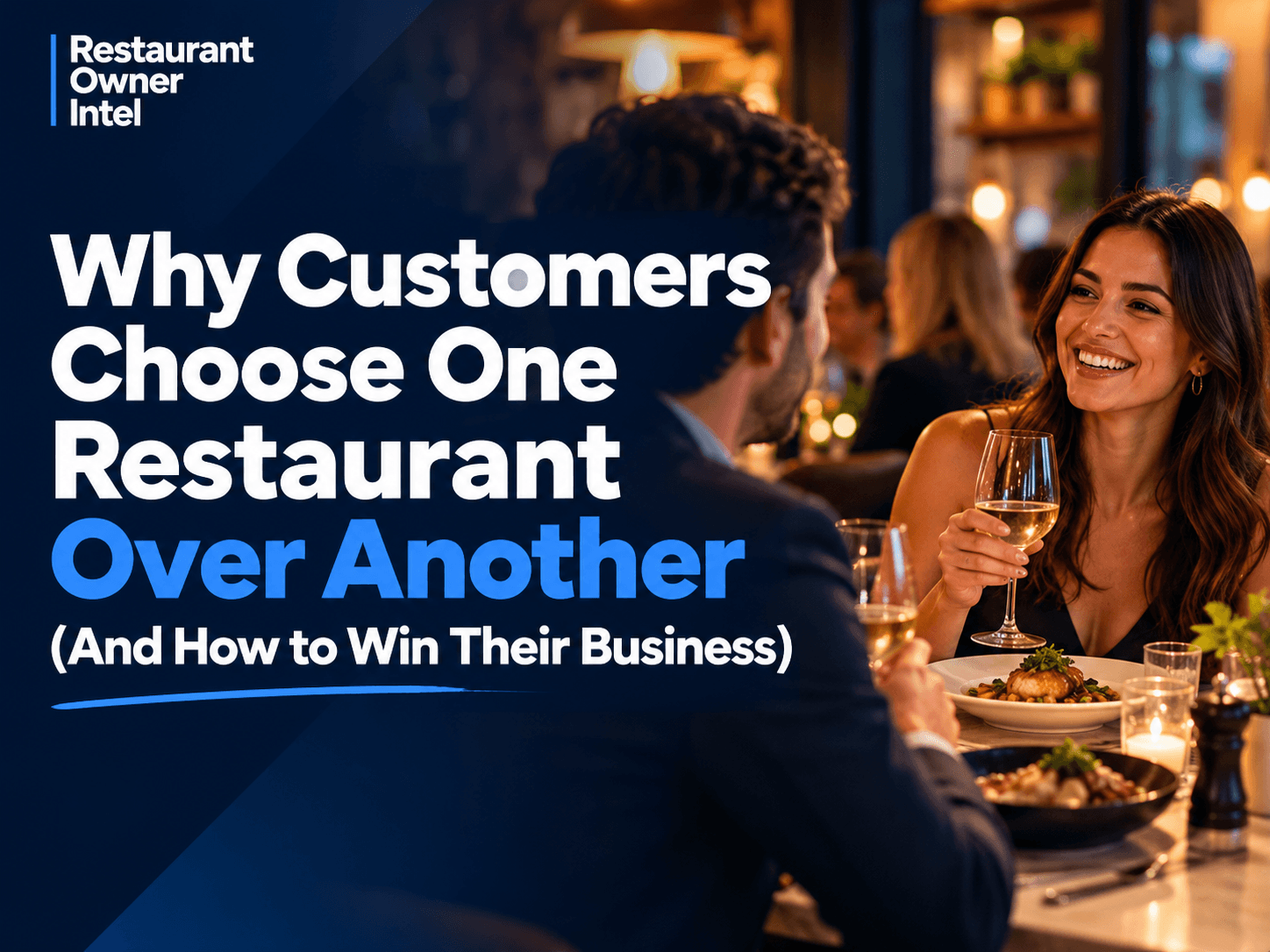
Why Customers Choose One Restaurant Over Another (And How to Win Their Business)
Why Customers Choose One Restaurant Over Another comes down to more than food and price. Understanding the psychology behind dining decisions can help your restaurant attract more customers, win bookings and build repeat business.
Oct 16, 2026
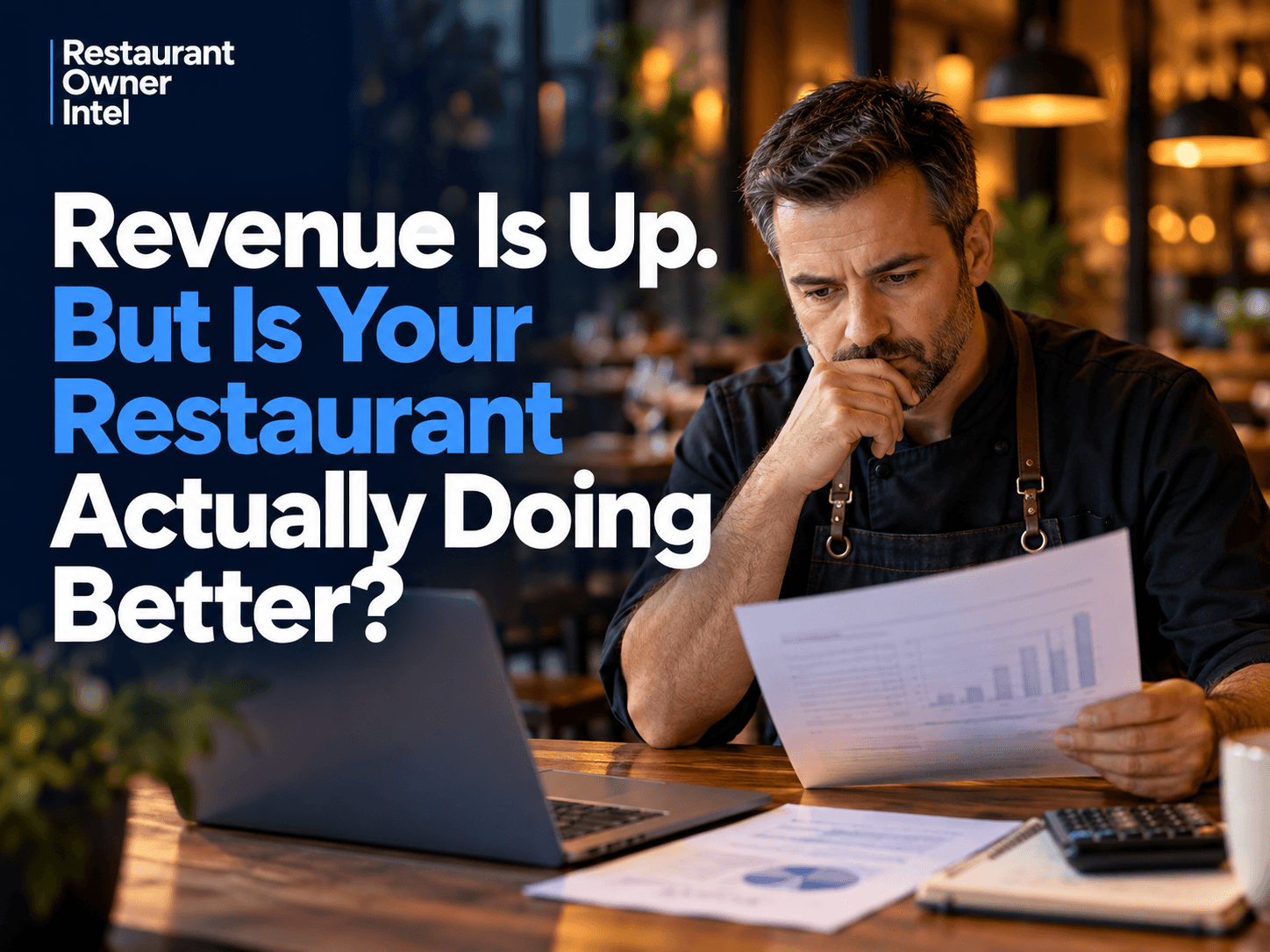
Revenue Is Up. But Is Your Restaurant Actually Doing Better?
Higher sales can create the impression of a healthier restaurant business. But unless customer numbers, operating costs and profit margins are improving too, revenue growth may be hiding a very different story.
0 Comments
Join the conversation
Be the first to comment
Share your thoughts above.